

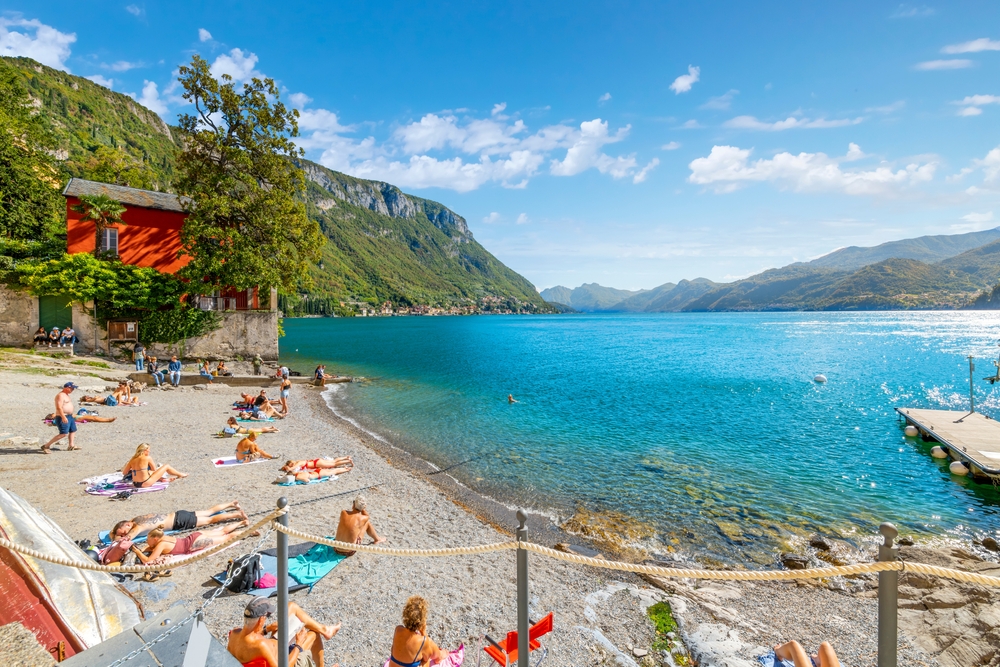
The modern tourism economy sells places like Varenna as open-air fantasy: lake light, stone lanes, and the feeling that every corner exists for leisure. The village’s new swimwear fines cut against that image on purpose. Since June 27, Varenna has barred people from going shirtless or walking around in swimwear across the municipality, except on beaches, piers, and boat docks, with penalties ranging from €50 to €200 (about $57 to $229).
What makes the rule resonate is not simply the dress code itself, but the setting. Varenna’s own tourism portal describes it as one of Lake Como’s most popular destinations, prized for its history, architecture, and lakeside beauty, while the official transport page highlights ferry links to Bellagio, Cadenabbia, Menaggio, and other lake routes that help funnel visitors through the village with ease.
The swimwear ban is also only one piece of a broader behavioral reset. The same municipal changes cap tourist groups at 25 people, bar guides from using loudspeakers, and prohibit groups from lingering in a string of heavily trafficked streets and piazzas. Read together, the measures suggest a village trying to regulate how people move, gather, and occupy space, not just how they dress.
Why Beachwear Became a Civic Issue

The rule matters because it draws a sharp boundary between waterfront leisure and everyday civic life. Bathing attire is still acceptable where bathing actually happens, but once visitors move into the town itself, Varenna is signaling that the streets are not an extension of the beach. Reports on the policy have framed the expectation in practical terms: cover up before entering public areas such as shops, squares, restaurants, and churches.
That distinction becomes easier to understand when measured against the village’s scale. News reports describing the crackdown place Varenna’s resident population at about 650, while officials continue marketing it aggressively as one of Lake Como’s signature stops. In other words, this is a place small enough for a local dress norm to feel personal, yet famous enough for visitor behavior to shape the atmosphere of the entire town.
Other recent notices point in the same direction. This summer, Varenna’s tourism office also announced a seasonal one-way traffic system in the town center, another small but telling intervention in how bodies, vehicles, and crowds flow through a compact historic settlement. The swimwear fine, then, looks less like an isolated morality rule than part of a larger attempt to keep a scenic destination functioning as a real place.
The Real Audience Is Not Only Tourists
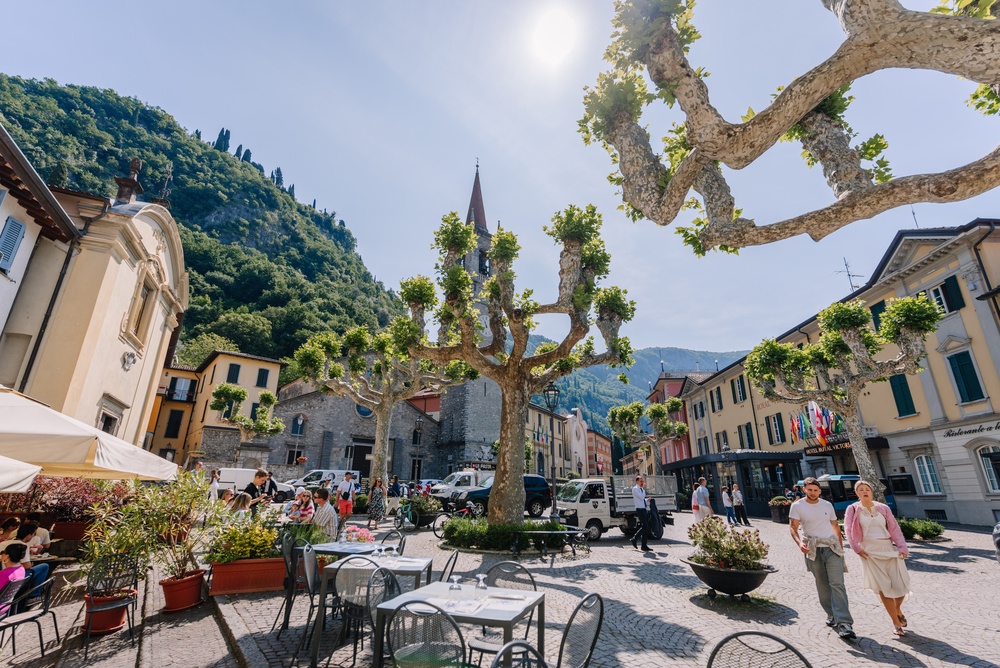
Mayor Mauro Manzoni has framed the issue as a matter of balance rather than hostility. As reported by multiple outlets, he stressed that Varenna is proud to welcome visitors from around the world, but not at the expense of residents’ quality of life. That is the tension running underneath the fine: tourism is clearly vital, yet the village is drawing a line at the point where admiration for a place starts to erode the experience of living there.
Local support for the policy appears to rest on a similar idea. Coverage of the measure notes that residents have backed rules requiring more respectful dress in public spaces, especially in places that still operate first as civic or communal settings. A church, grocery, ferry approach, or central square may sit inside a tourism postcard, but for locals it remains part of the daily geography of ordinary life.
That does not make Varenna anti-tourist. Its official tourism channels continue to promote events, itineraries, cultural sites, accommodation, and transport connections with the full language of welcome. The village is not trying to disappear from the map; it is trying to define the terms under which mass appeal can coexist with local dignity. That is a different, and more complicated, story than a simple crackdown headline suggests.
The New Etiquette of Overtourism

Varenna’s move also fits a wider Italian pattern. Reporting on the new rules has linked the village to other destinations that have adopted behavior codes as visitor numbers rise, including Sorrento and Portofino. In Portofino’s case, authorities introduced no-waiting zones to stop tourists from clogging the quay and scenic points, making clear that the issue in many iconic places is no longer simply tourism, but unmanaged tourism.
Seen that way, the swimwear fine is less about modesty than about boundaries. It formalizes something that many small destinations once assumed visitors would understand on their own: the beach is one setting, the village is another. The fact that towns now need ordinances, route controls, group caps, and fines to enforce that distinction says as much about the scale of contemporary travel as it does about local conservatism.
For travelers, the lesson is straightforward: when a destination is also a lived-in community, basic situational awareness is part of the trip. For places like Varenna, the harder lesson is that fame increasingly requires rules. The village still wants visitors to admire its lakefront, board its ferries, and wander its lanes; it is simply insisting that admiration come with a shirt, a cover-up, and a little recognition that postcards have residents.
