

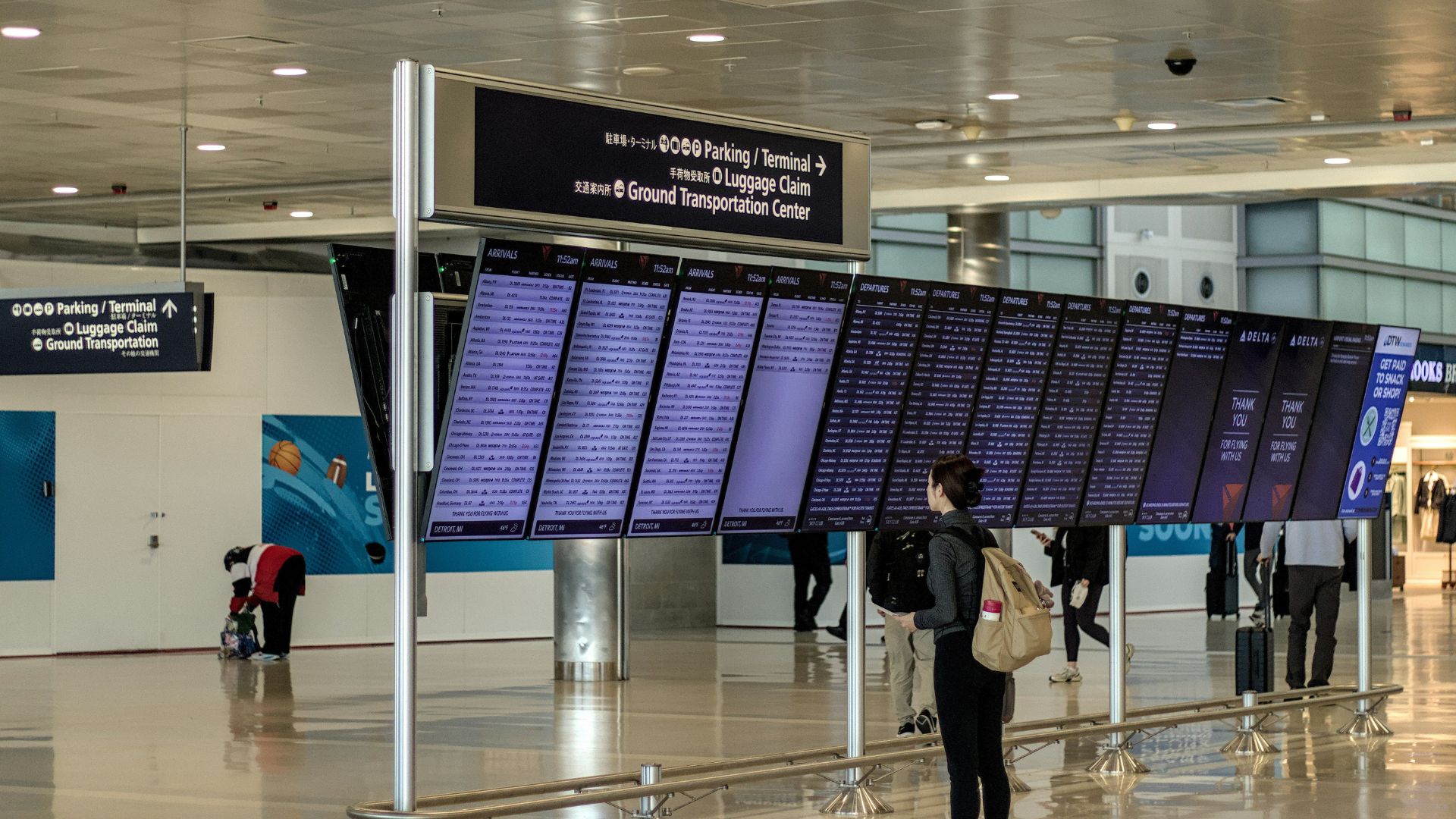
Starting Oct. 19, the reason your flight is late or canceled could decide whether the airline pays for your meal or your hotel room. A federal rule change from the U.S. Department of Transportation (DOT) moves 10 specific events out of the category airlines are held responsible for, a shift required by the FAA Reauthorization Act of 2024. Before your next delay, here is what changes and what to ask.
What a Controllable Delay Gets You Today
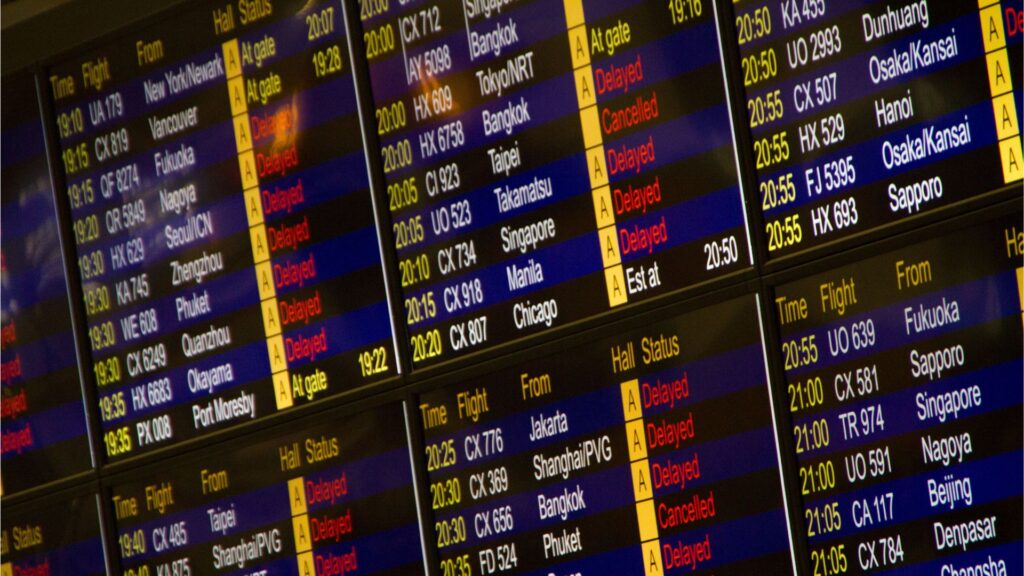
The Department of Transportation counts a delay or cancellation as controllable when the airline is the cause, which can include crew problems, maintenance, cabin cleaning, baggage loading, or fueling. On DOT’s Airline Cancellation and Delay Dashboard, every major U.S. carrier listed promises a meal or voucher after a controllable cancellation leaves you waiting three hours or more. Most also promise a hotel and transportation for overnight waits, though Frontier is a notable exception.
A New Category Takes Over on Oct. 19
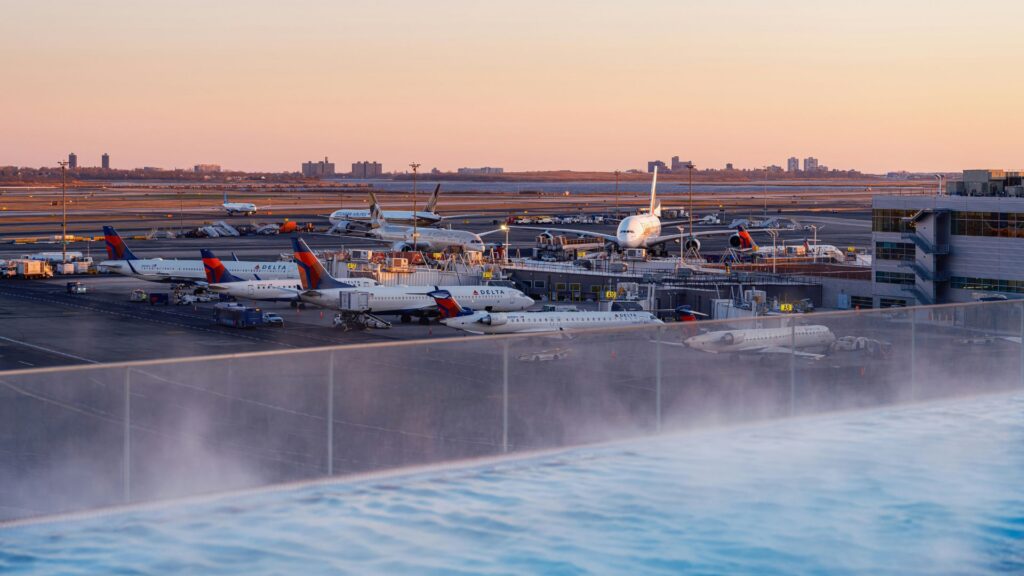
Under the rule, 10 specific events leave the Air Carrier category, which covers circumstances within an airline’s control, and move into a new one labeled Section 511(b). Since meals and hotels are promised for controllable disruptions, a delay filed under the new label could leave passengers with less help. Whether an airline helps anyway comes down to its own policies, so a voucher or hotel room is not something to assume.
Damage, Outages and Cyberattacks
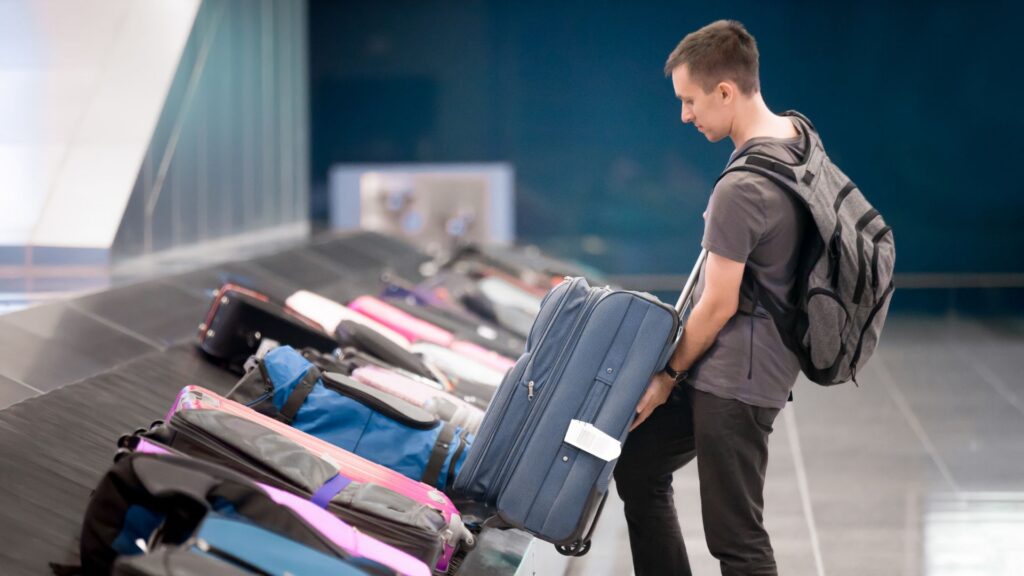
Some of these events sound obvious. They include aircraft damage from extreme weather, foreign object debris or sabotage, and cleaning after a passenger’s death. Baggage or cargo delays count when a bag system outage is outside the airline’s or its contractor’s control. Cybersecurity attacks qualify if the airline complies with applicable cybersecurity regulations, as do unexpected government system shutdowns or failures that directly affect an airline’s ability to operate flights safely.
Brakes, Medical Emergencies and Airport Closures
Overheated brakes join the list when they result from a safety incident involving emergency procedures. Medical emergencies that need attention through no fault of the airline count too, as does the removal of an unruly passenger. Airport closures caused by volcanic ash, wind, or wind shear round out the list apart from maintenance. Each one will be reported under the new category rather than as a delay the airline controlled.
Why Unscheduled Maintenance Stands Out
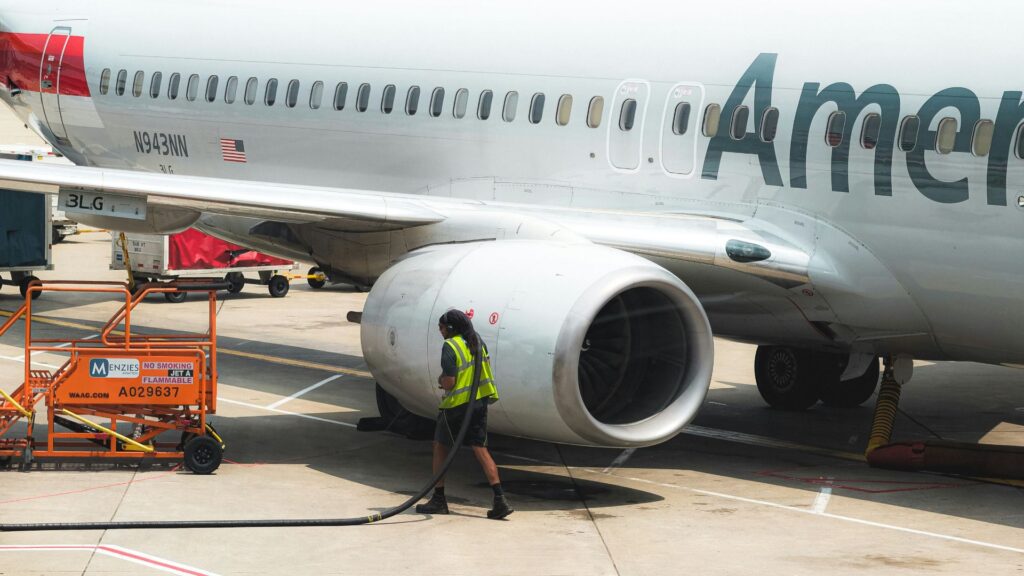
The last event on the list, unscheduled maintenance, is the one that stands out. Maintenance problems have generally been logged under the Air Carrier label. The new category takes in certain unexpected issues that crop up outside an airline’s scheduled maintenance program. They also have to be issues that cannot be deferred, or that need fixing before the flight, and work done in response to an airworthiness directive is included.
What Could Count as Unscheduled Maintenance

Gary Leff of View from the Wing says the exclusion could cover a hydraulic or fuel leak found after arrival or during preflight inspection, or an engine warning or abnormal vibration requiring inspection. A cracked windshield or structural defect outside allowable limits could count, as could a tire or brake defect beyond published service limits. Pressurization, fire-detection, and emergency-equipment failures could qualify, along with an anti-ice failure when forecast conditions make that equipment necessary.
How Congress Landed on 10 Events
Leff reports that Rep. Tom Kean Jr. (R-NJ) pushed for the change through a broader amendment whose original version had 22 exclusions; the final legislation kept 10. The measure passed by a bipartisan 88-4 vote. DOT has defended the change, noting Congress required it and airlines must still compensate passengers when responsible. Leff adds that the cyberattack and volcanic ash examples DOT cites are not the ones generating all the discussion.
Your Refund Rights Stay Put
The rule leaves federal refund rights intact wherever they already apply. A prompt refund, even on a nonrefundable ticket, is generally required under DOT rules when an airline cancels or significantly changes your flight and you turn down what it offers instead. Take the rebooked flight or the altered itinerary, and the ticket refund generally no longer applies. A refund is a separate matter from airline-paid meals and hotels.
What to Ask When Plans Fall Apart
After Oct. 19, the cause of your delay will carry more weight, so ask the airline what it is. When the disruption is controllable, DOT’s dashboard shows what your airline has committed to, and DOT says carriers must honor the promises in their customer-service plans. If the cause falls into the new category, a request is still worth making, since nothing in the rule bars an airline from helping.
