

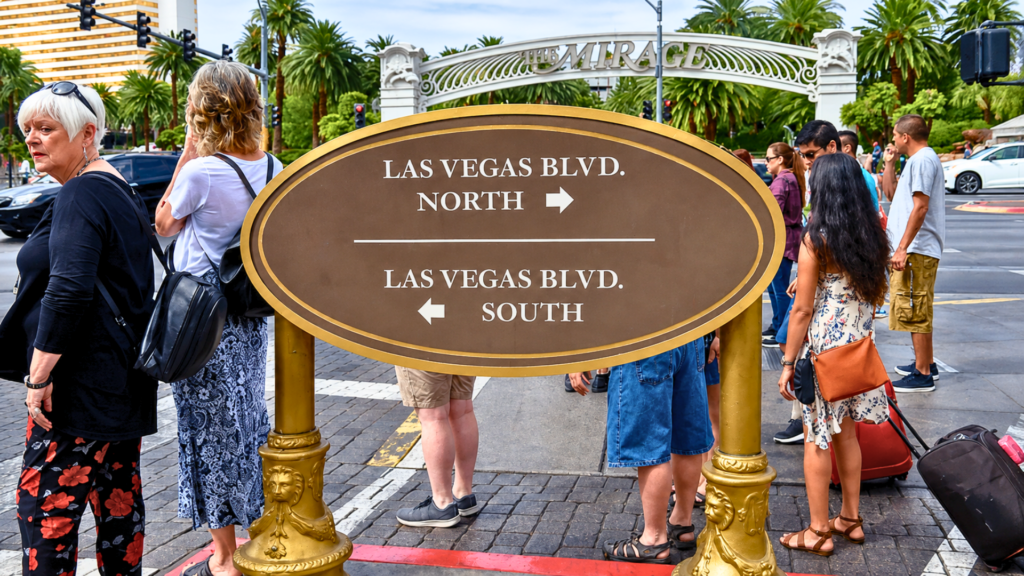
Las Vegas welcomed 3.1 million fewer visitors last year, a 7.5% drop that marks the steepest falloff outside the pandemic since regulators started tracking tourism data in 1970. Behind the Strip’s glittering marquees and sold-out arenas, hospitality workers say the decline is hitting their paychecks hard. Many blame tariffs, high gas prices tied to the war in Iran, and a rising cost of living, just as President Trump arrives in town to tout his economic record.
Bellman Joe Spica Says His Tips Have Collapsed
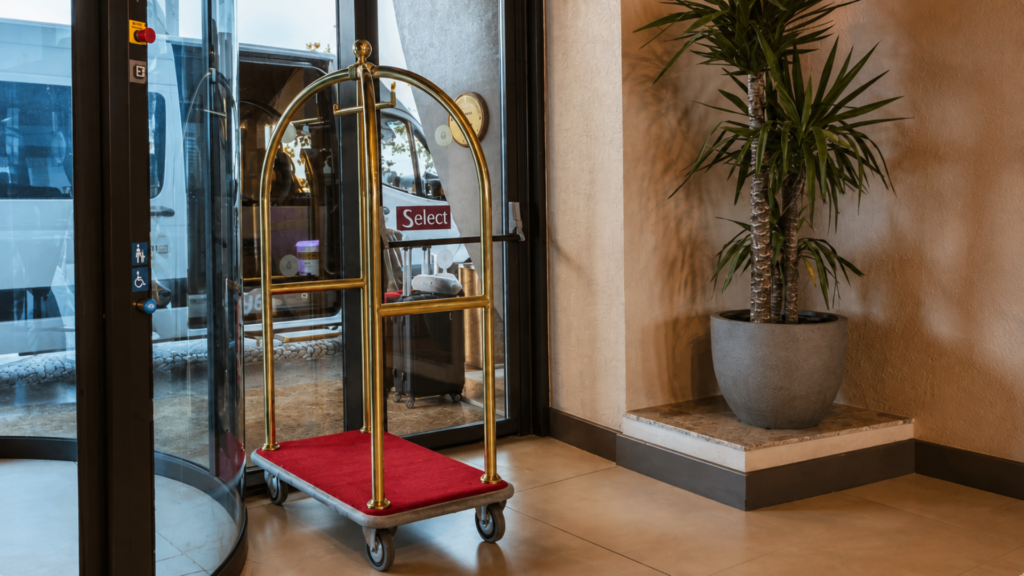
Joe Spica, 44, works as a bellman on the Strip and supports three kids largely on tips. Lower hotel occupancy means fewer bags to carry and fewer tips to collect for him and his fellow valets and cocktail servers, according to ABC News. “I used to be able to take care of multiple dinners for me and my family with my tips from one day,” Spica said. “Now I’m lucky to get a dinner for my tip for one day, and it’s hard.”
A 24-Hour Diner Cuts Back as Business Slows
Aaron Mahan, 52, has worked in the Las Vegas area since 1988 and now runs a to-go window at an off-Strip property. He points to his own workplace as proof of the slowdown: management downgraded the restaurant from 24-hour service to breakfast and buffet hours only, because the crowds no longer justified staying open around the clock. “Everything’s costing more,” said Mahan, who described budgeting far more carefully than he used to.
60,000 Workers Feel the Slowdown Through Their Union

Both Spica and Mahan belong to Culinary Workers Union Local 226, which represents 60,000 hospitality employees across Las Vegas and Reno. The union has watched the tourism slowdown ripple through paychecks built on tips rather than fixed wages. As occupancy sags and visitor counts fall, members say the swings hit them directly, since bonuses and overtime rarely make up for a slow month at the front desk or valet stand.
Trump’s ‘No Tax on Tips’ Policy Meets a Tip Shortage
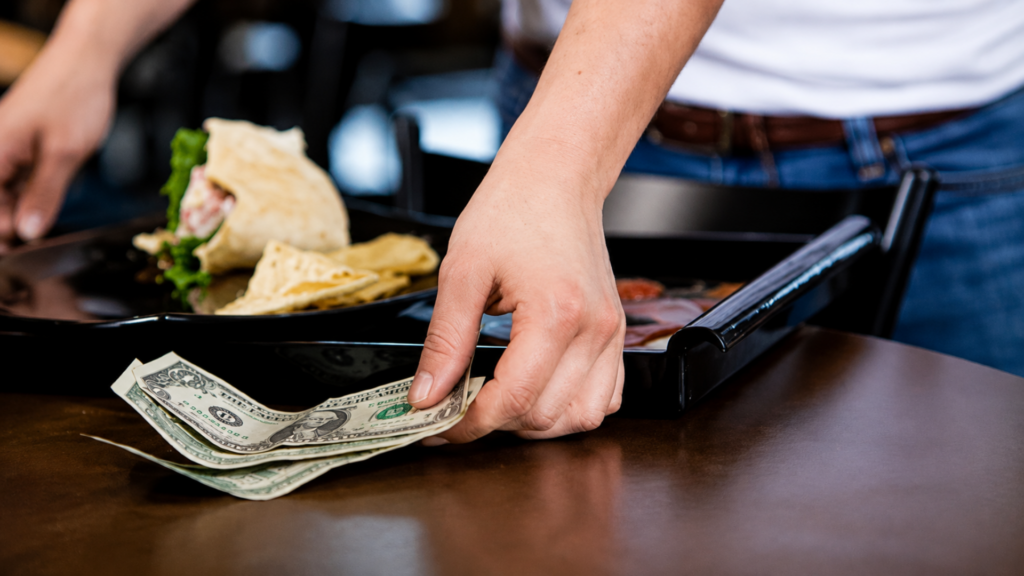
In April, Trump visited Las Vegas to promote his “no tax on tips” policy, which lets workers deduct up to $25,000 in tips from their federal income taxes. Workers say the idea sounds helpful in theory. But married couples who both earn tips must split that single $25,000 cap between them, and the benefit only shows up as a deduction when they file taxes next year, offering no relief right now.
Union Leader Says the Tax Break ‘Wipes Out’ if Tips Are Down

Ted Pappageorge of Culinary Workers Union Local 226 argues the policy falls apart when tip income itself is shrinking. “If your tips are down, then this completely wipes anything that the ‘no taxes on tips’ may have gotten folks,” he told ABC News. Mahan agreed the timing works against workers. “It doesn’t really affect you until you get your taxes back,” he said. “So, for a month-to-month relief, there isn’t much.”
Canadian Visitors Drop 17.4% After ’51st State’ Comments

Canadian tourism to Las Vegas fell 17.4% in 2025, the steepest decline among North American markets, according to the Las Vegas Convention and Visitors Authority. The slide followed Trump’s repeated suggestions that Canada become the “51st state” and his tariffs on Canadian goods. Mayor Shelley Berkley admitted the city underestimated how much business came from north of the border. “I did not realize until we offended the Canadians how much of our foreign business came from Canada,” she said.
Mayor Berkley Points to Conventions and Big Events Instead

Despite the dip, Mayor Berkley says she remains “pleased” with where Las Vegas stands economically, crediting the city’s growing convention business and marquee sporting events like the Formula One Grand Prix, the Super Bowl and the NCAA Final Four. Casinos and hotels have rolled out promotional deals aimed at winning Canadian tourists back. The White House counters that most Las Vegas visitors are American, not Canadian, and credits Trump’s agenda with creating jobs.
Affordability Becomes a Flashpoint in Nevada’s Governor Race

The economic strain is now central to Nevada’s tight gubernatorial race. Democratic nominee Aaron Ford, the state’s attorney general, is challenging Trump-backed incumbent Gov. Joe Lombardo. Ford has proposed reinvesting in small business loans, limiting corporate investors from buying single-family homes, and capping prescription drug costs. “Working families are suffering under this Lombardo-Trump economy,” Ford said, arguing Nevadans should trust their wallets over official talking points.
Workers Weigh a Governor’s Race Shaped by Their Paychecks

Lombardo’s campaign points to Nevada’s workforce growth of 1.9% from April 2025 to 2026, the fastest in the nation, as evidence the state is heading in the right direction. But for workers like Mahan, the numbers don’t match daily life. He doesn’t believe Trump has delivered on promises to lower costs and is leaning toward Ford in November. “I don’t see him as a leader, I see him as a follower. He’s following Trump,” Mahan said.
