

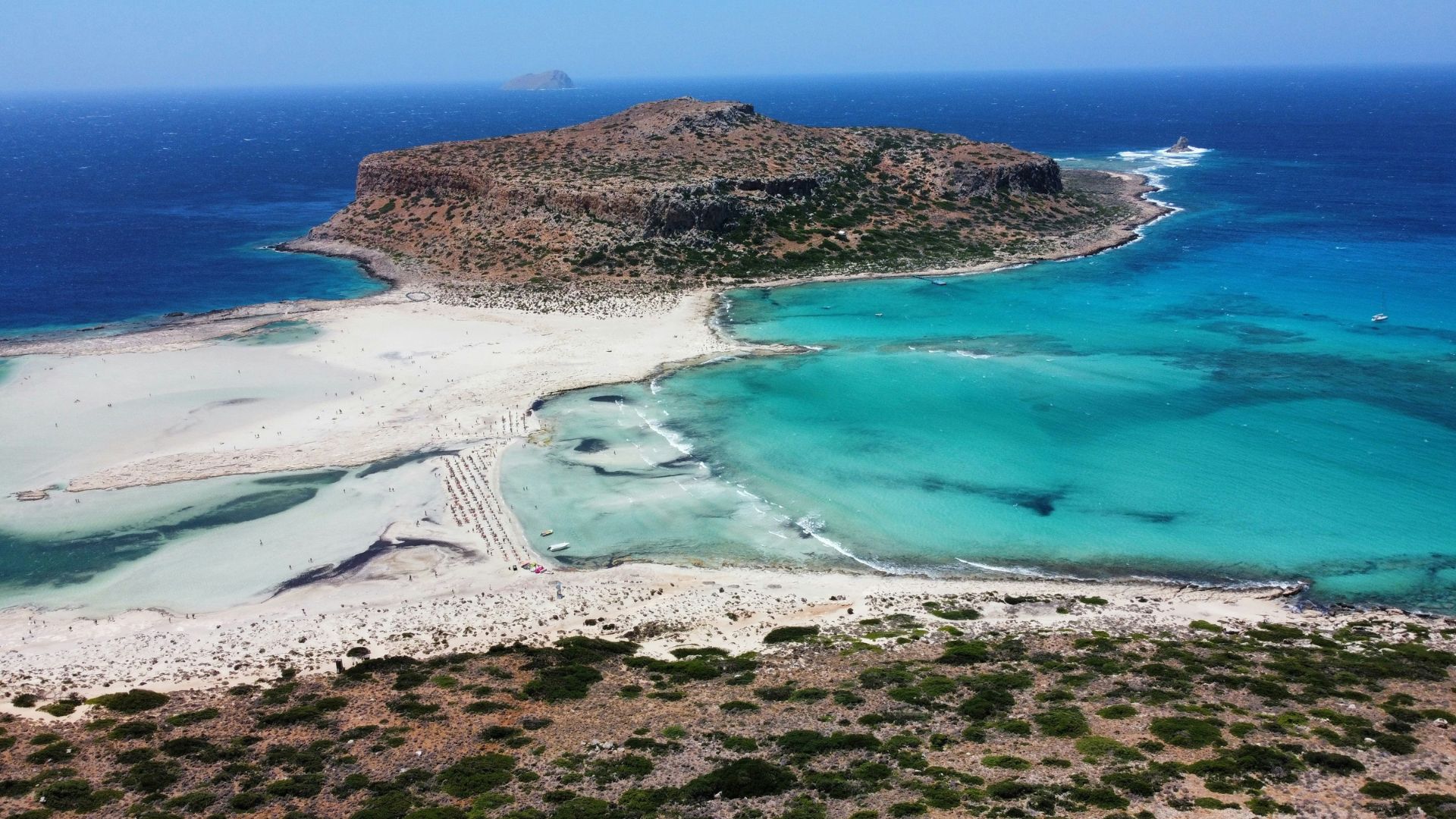
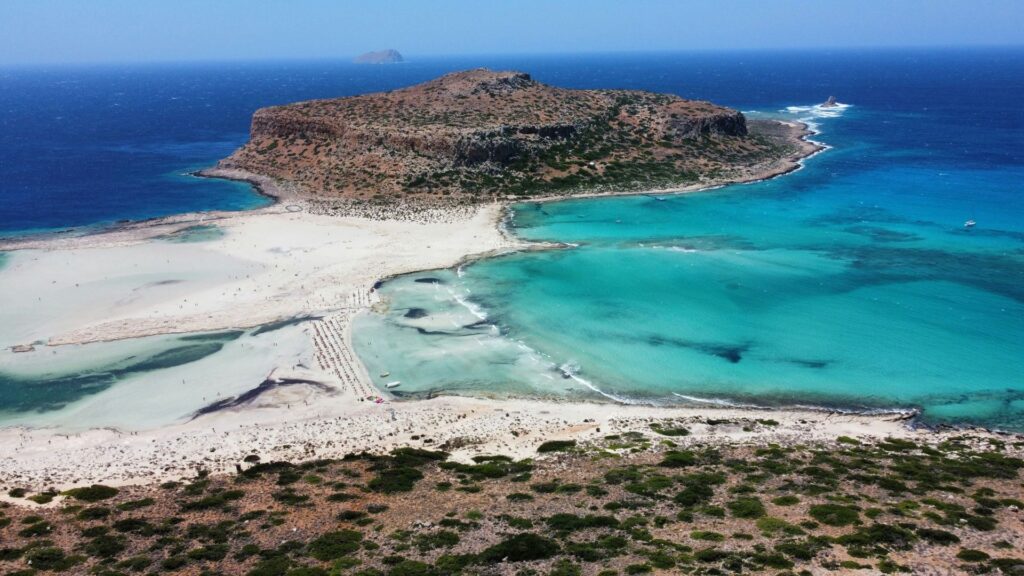
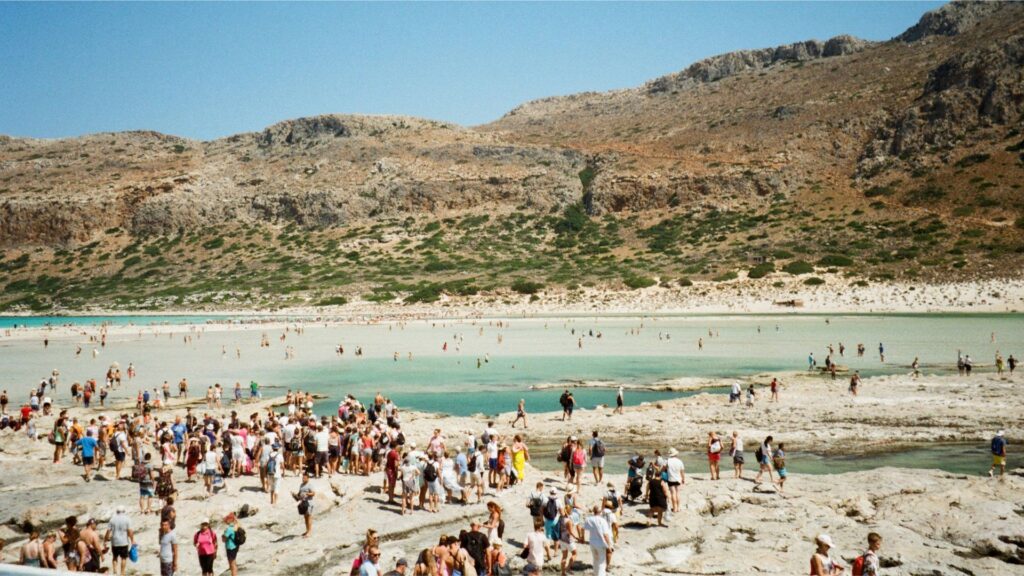
A beach in Crete once celebrated for turquoise waters and dramatic cliffs has earned a grim new nickname this summer. Balos Beach, on the island’s northwest tip, was filmed packed with countless tourists as more visitors kept arriving by boat, filling the shoreline until no one could move. The scenes, widely shared online, led one observer to brand the popular spot ‘hell on earth.’
Boats Keep Arriving as Balos Beach Overflows
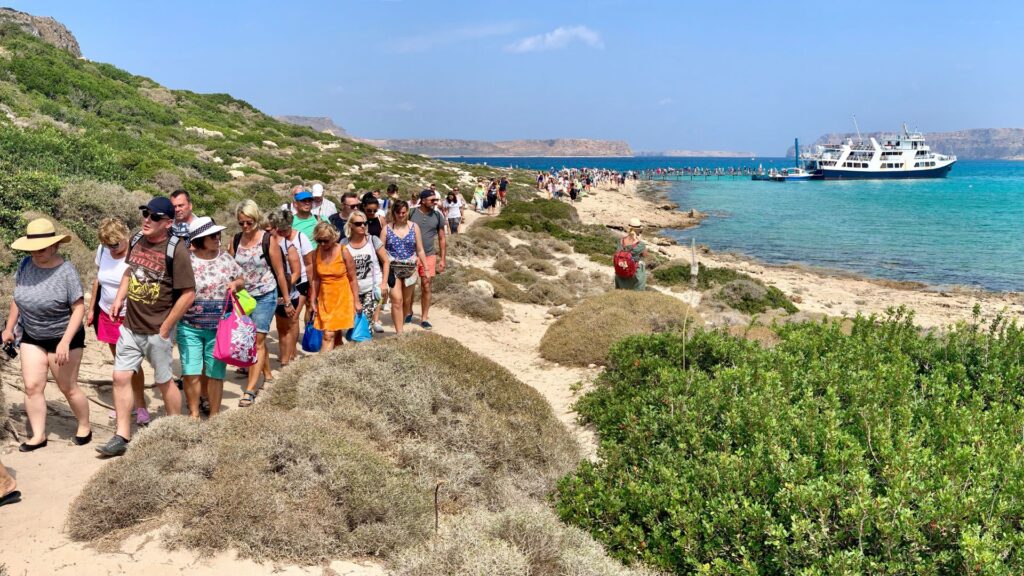
The viral video, posted to X by the account Humans Of Late Tourism on August 30, 2026, showed tourists queuing to board boats back from Balos while more vessels arrived loaded with new arrivals. Balos Beach, reachable from Kissamos Port in north-west Crete, has long drawn visitors for its shallow turquoise lagoon, pink-tinted sand and mountain views, but this summer’s crowding left almost no space to stand.
Balos Sees Double Its Safe Visitor Capacity
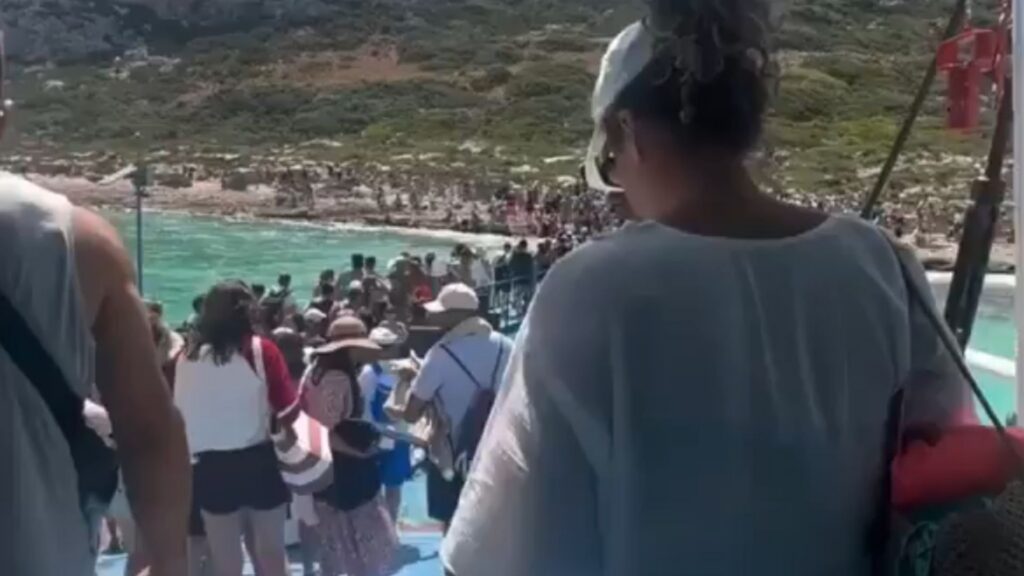
Local authorities estimate Balos receives between 2,000 and 5,000 visitors a day during peak season, with large ferries arriving between 10:30 am and 11 am adding 2,000 to 3,000 people within hours. Environmental assessments calculated the site’s safe daily capacity at roughly 2,230 to 2,330 people to protect its fragile Natura 2000 ecosystem, meaning peak days regularly exceed sustainable limits by more than 50 percent.
A Writer Recalls the Quiet Balos of 2022
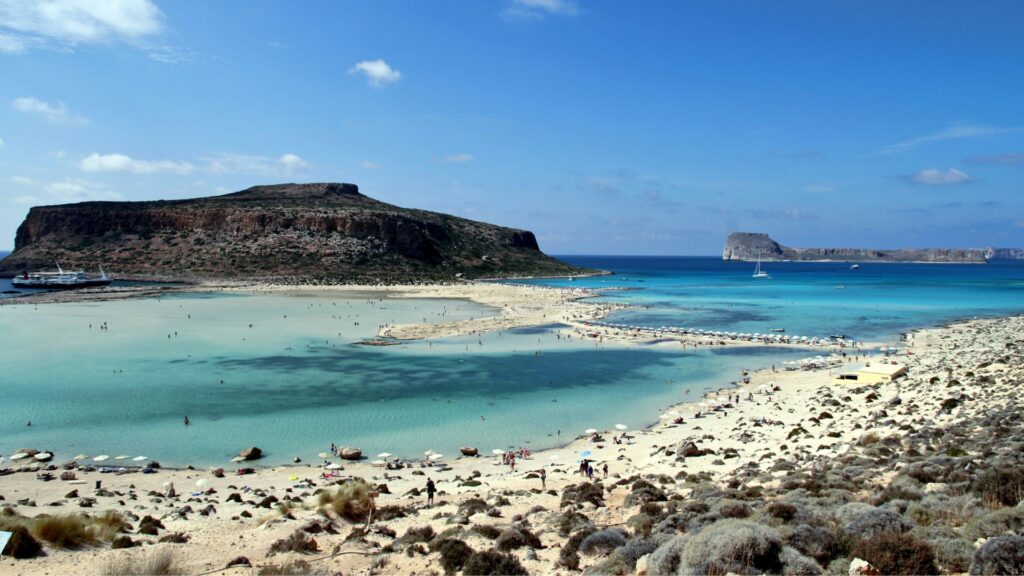
Metro writer Sophie-May Williams visited Balos Lagoon in September 2022, boarding a half-full boat from Kissamos Port. She described shallow turquoise waters, pink-tinted sand and sheep calmly roaming the beach, calling the spot remarkably quiet despite its beauty. Watching this summer’s footage of tourists packed shoulder to shoulder, unable to lay down towels, she said she barely recognized the Balos she once experienced.
Greece Proposes Timed Entry to Ease Crowding
A pilot proposal submitted to Greece’s Ministry of Environment and Energy would introduce an online booking system with timed entry windows for Balos, similar to measures used in Italy. The plan would cap visitor numbers at 1,200 people for every three-hour slot, requiring tourists to leave once their window ends. If successful, officials hope to extend the same system to nearby beaches Elafonisi and Falassarna by 2027.
Santorini’s Oia Faces Its Own Tourist Gridlock
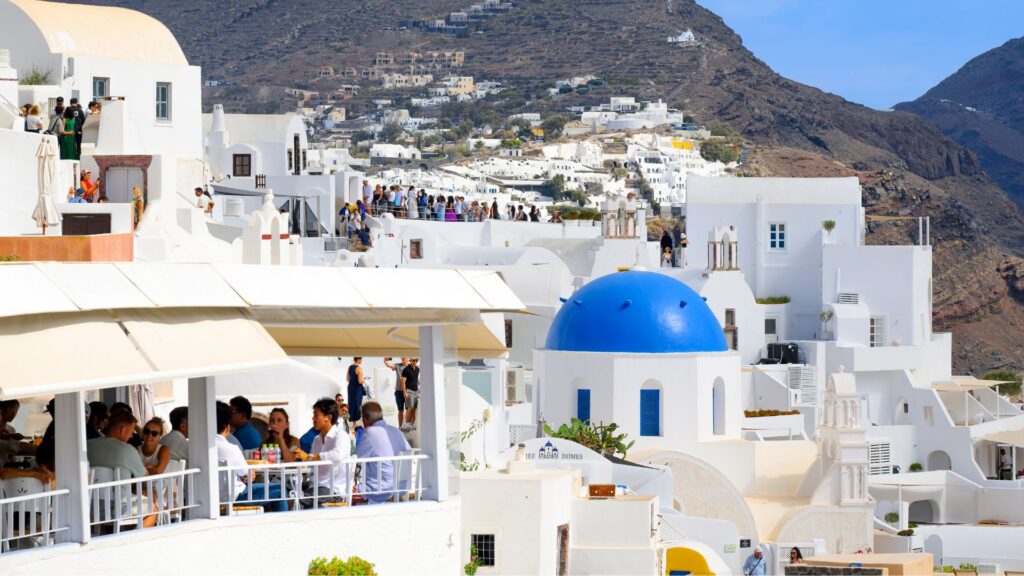
Balos is not the only Greek destination overwhelmed this summer. In Oia, Santorini’s famous cliffside village, tourists have formed two-hour queues as early as 7 am, hoping to photograph the iconic blue-domed Orthodox Greek churches. Dubbed the island’s most Instagrammable location, the narrow alleys have grown so crowded that one holidaymaker said queuing tourists tried to fight them for walking into their own accommodation, mistaking them for someone jumping the line.
Influencer Videos Fuel Backlash Over Queue Culture
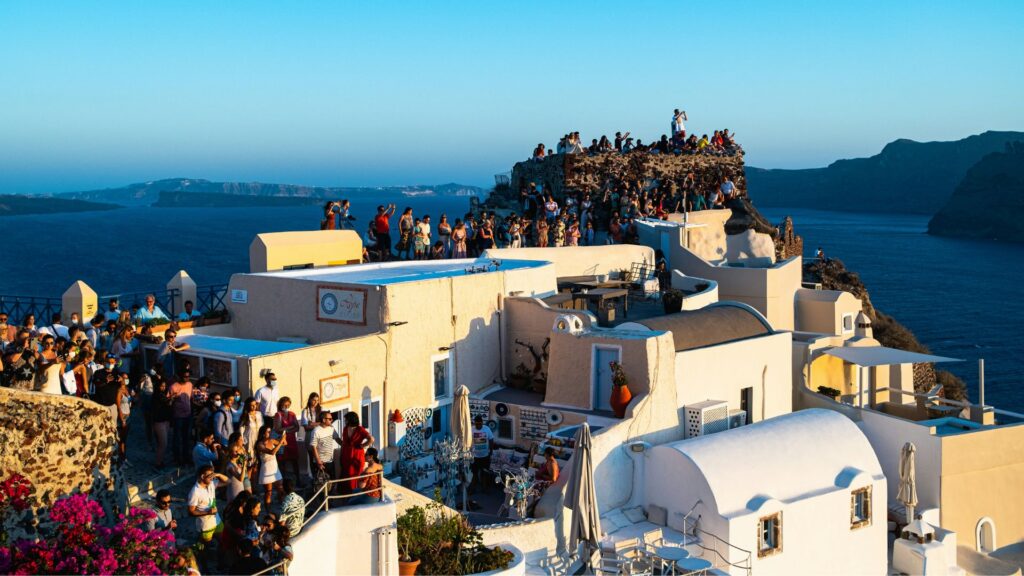
Social media has fueled much of the frenzy. Self-described Brazilian creative director Luiza Parente, who has 8.4million TikTok followers, shared a video this month showing the lengthy queues she endured before posing dramatically in front of Oia’s white and blue architecture. The clip drew criticism, with one person arguing that ‘social media has ruined tourism.’ Another complained that the real memory would be hours spent queuing at dawn.
Overtourism Isn’t Just a Balos or Santorini Problem
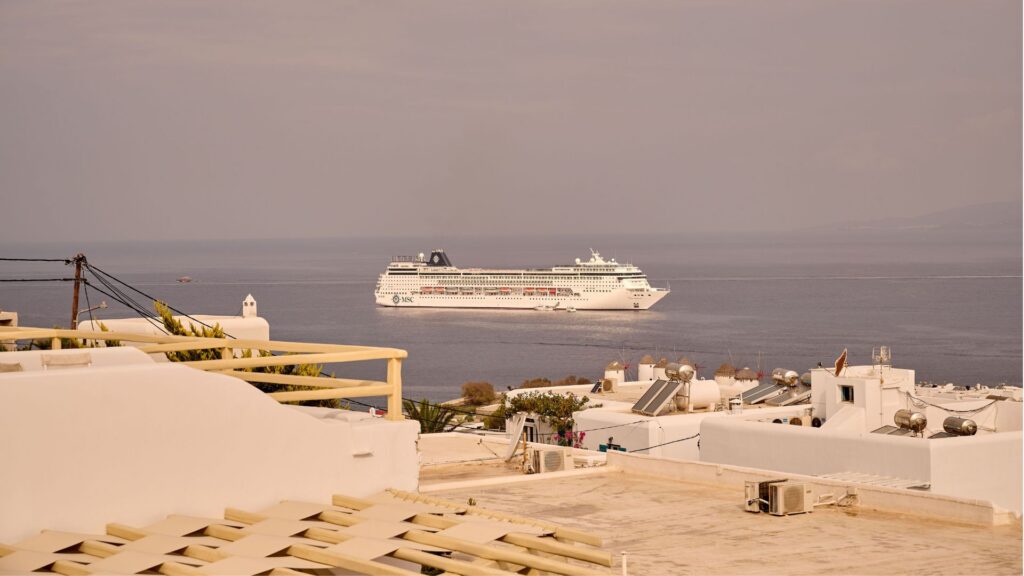
Greece’s overtourism problem extends beyond Crete’s beaches and Santorini’s cliffside villages, with popular spots nationwide facing similar crowding this summer. Santorini alone sees more than 2.4million people pass through its airport each year, and officials have separately limited daily cruise passenger numbers. Last year, the island introduced a €20 cruise tax alongside Mykonos, while both were also rocked by earthquakes, showing how widespread Greece’s tourism strain has become.
Zakynthos Named ‘Capital of Overtourism’ in Greece
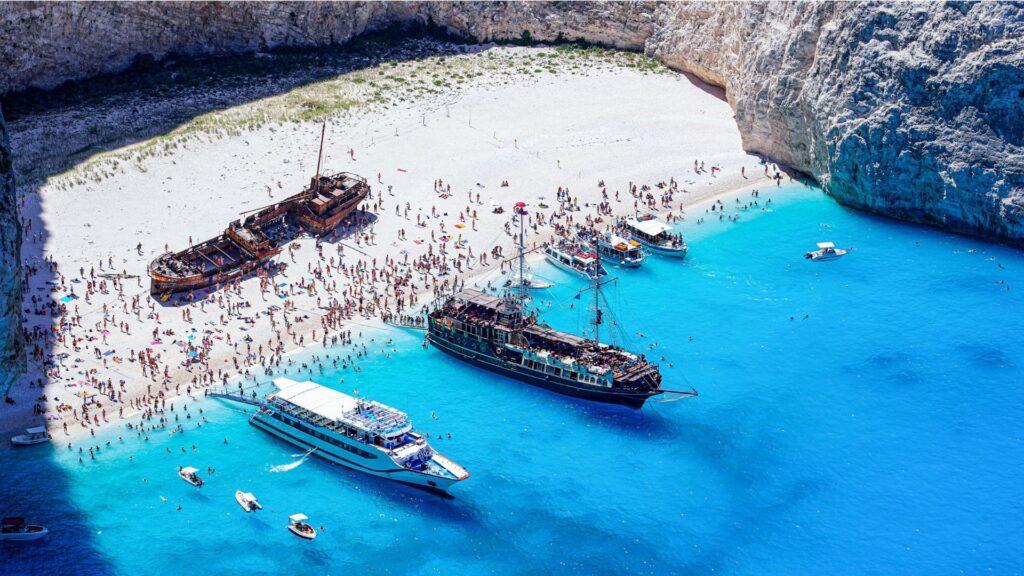
The island of Zakynthos, also known as Zante, has been dubbed the ‘capital of overtourism.’ Around 40,000 people live there year-round, yet in 2023 the island recorded roughly six million overnight stays, concentrated mainly along its south coast. The figures illustrate how popular Greek destinations, from tiny islands to famous lagoons like Balos, are being pushed far beyond their capacity.
Timed Entry Could Decide Balos’ Future
Whether the booking system planned for Balos succeeds may determine the fate of other overwhelmed Greek hotspots. Officials hope a timed-entry model, if effective, can later protect Elafonisi and Falassarna as well. For now, the turquoise lagoon once known for its tranquility remains a vivid reminder of how quickly a hidden paradise can be transformed by mass tourism into what visitors now call ‘hell on earth.’
