

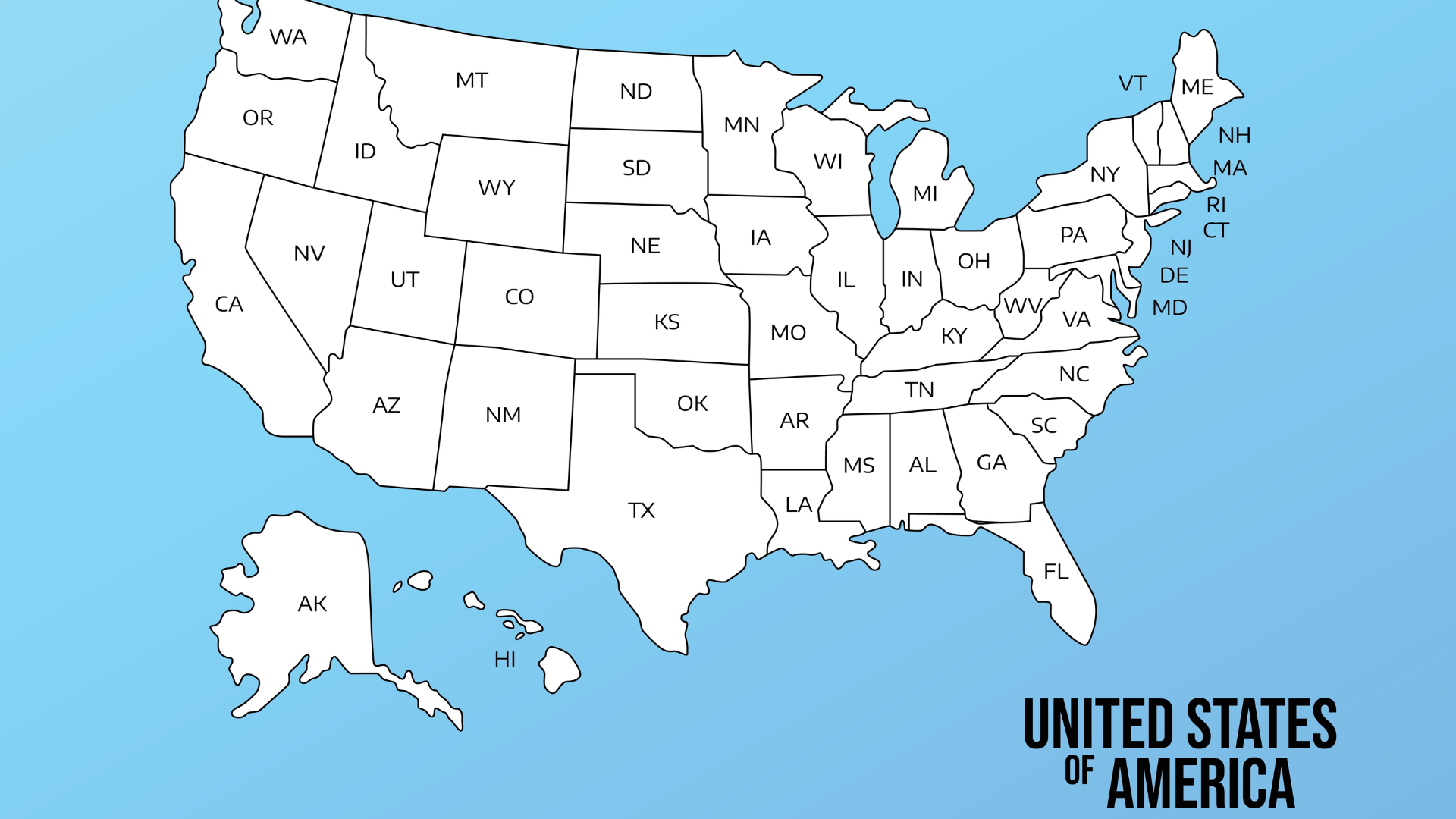
From severe weather to supply chain disruptions and extended power outages, many Americans are thinking more about emergency preparedness than ever before. While no place is immune to every type of disaster, some communities may be better positioned to weather major crises thanks to abundant natural resources, lower population density, and access to food and water. Here are nine U.S. locations that are often highlighted for their potential resilience if society were to experience significant disruptions.
#9 – Northern Maine
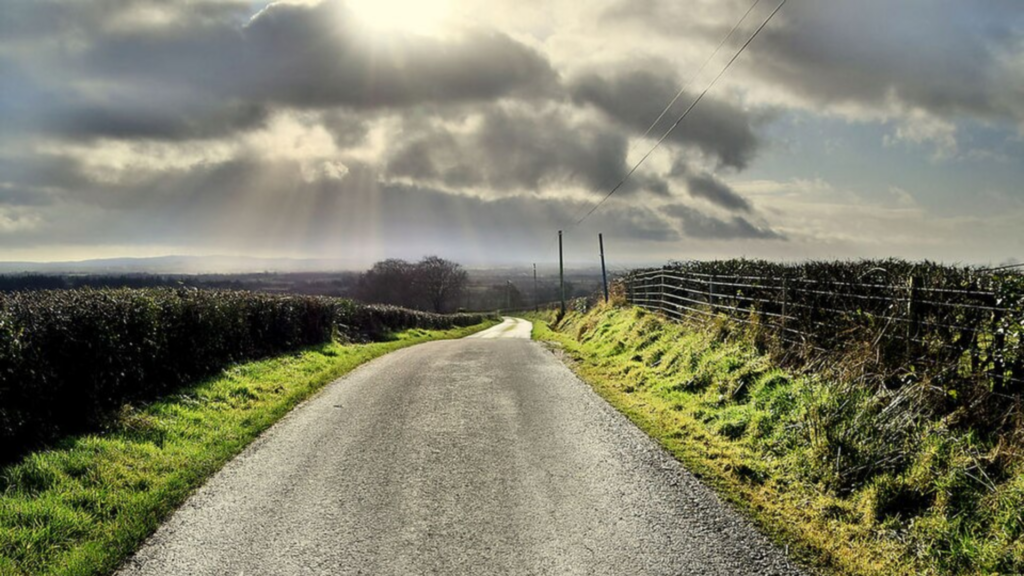
Northern Maine offers vast forests, freshwater lakes, and a relatively low population density. Agriculture remains an important part of the region, particularly potato farming, while plentiful freshwater resources add another layer of resilience. Its remote location may also reduce some of the pressures larger metropolitan areas could experience during widespread emergencies.
#8 – The Ozarks (Missouri and Arkansas)

The Ozarks are known for fertile land, abundant freshwater, dense forests, and a long tradition of farming and self-sufficiency. Many residents maintain gardens, livestock, and practical outdoor skills, making the region attractive to people interested in greater independence. The area’s natural resources also provide opportunities for fishing, hunting, and food production.
#7 – Upper Peninsula, Michigan
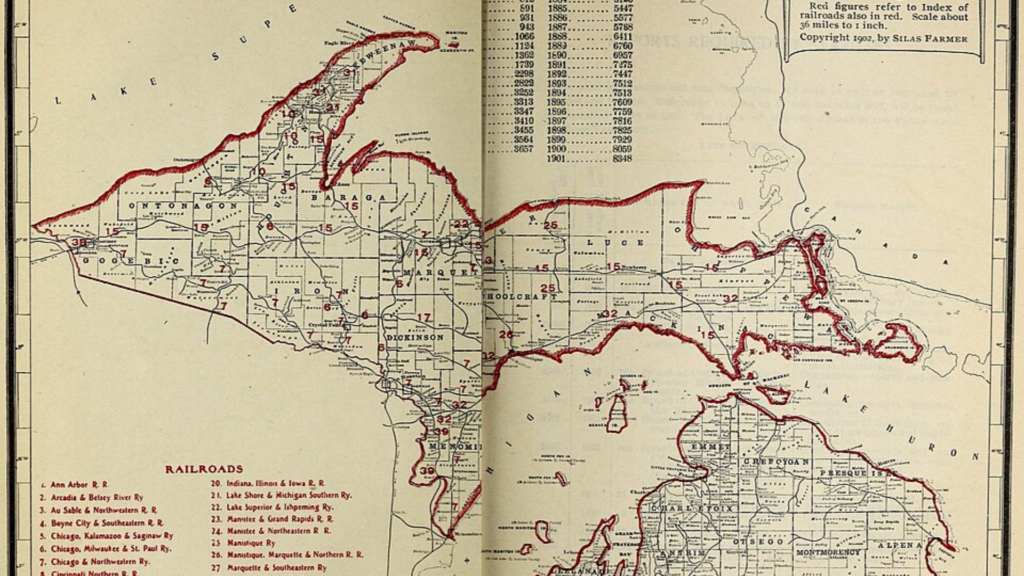
Michigan’s Upper Peninsula combines extensive forests with access to Lake Superior and countless inland lakes. Freshwater availability is one of the region’s greatest strengths, while lower population density and cooler temperatures may reduce strain on natural resources. Forestry, fishing, and outdoor skills remain important parts of the local economy.
#6 – Vermont’s Rural Communities
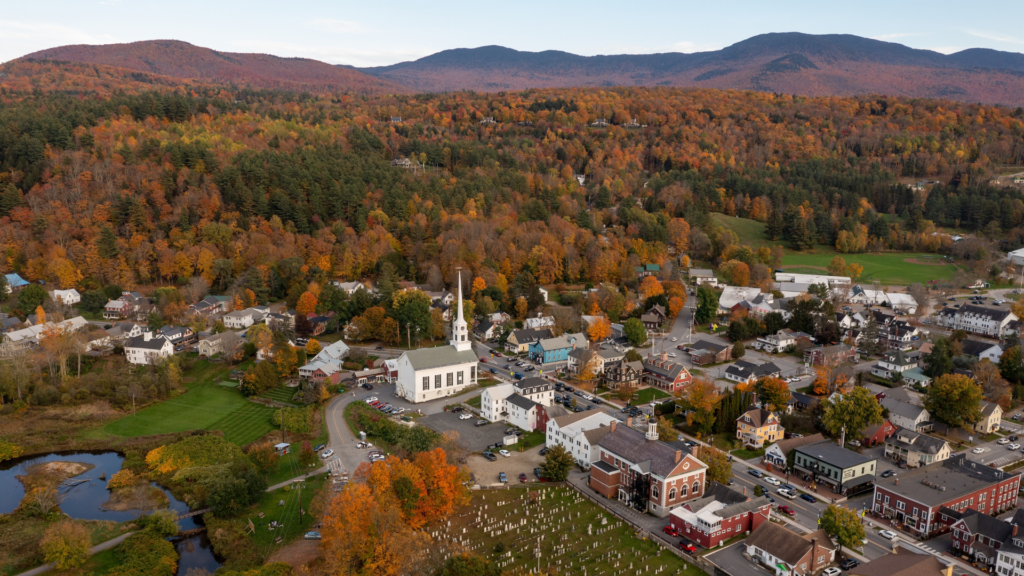
Many rural areas of Vermont have strong agricultural traditions and close-knit communities. Local farms, renewable energy initiatives, and access to freshwater make the state attractive to those interested in resilience. Community cooperation has long been a hallmark of many Vermont towns, which can be valuable during emergencies.
#5 – Central Texas Hill Country
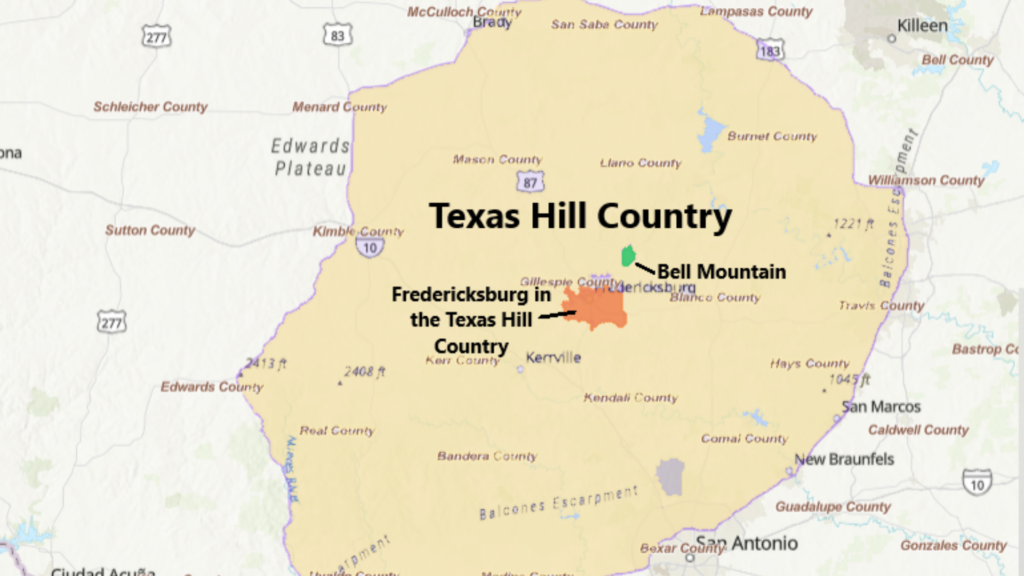
Parts of Central Texas offer productive farmland, livestock operations, and expanding renewable energy resources. Many rural communities also have experience preparing for droughts and extreme weather. While water availability varies by location, the region’s agricultural base makes it an important food-producing area.
#4 – Western North Carolina

Western North Carolina features fertile valleys, abundant streams, and a moderate climate that supports a wide variety of crops. Smaller mountain communities often have strong local networks and access to natural resources. The region has long attracted people interested in homesteading, gardening, and sustainable living.
#3 – Eastern Tennessee
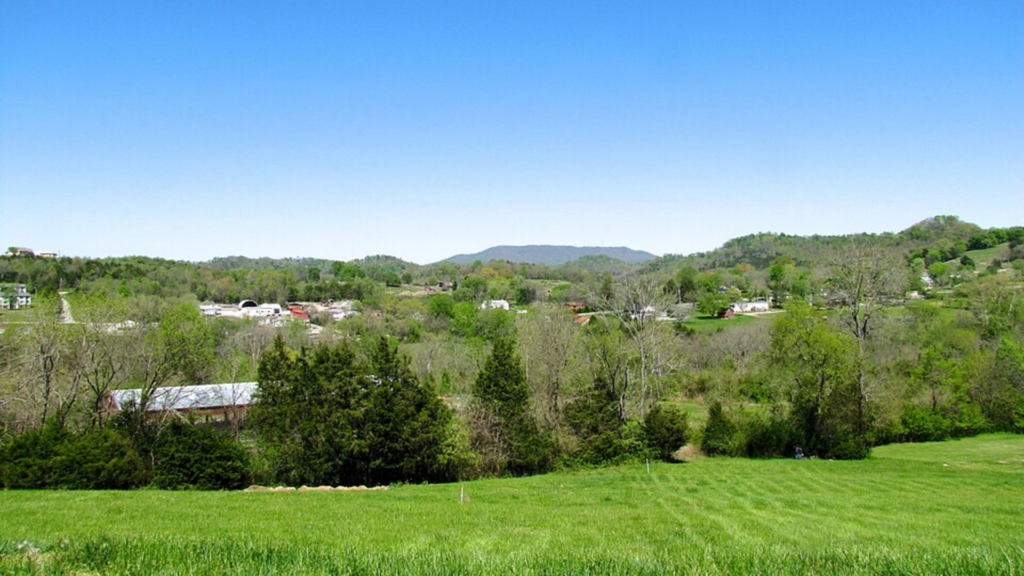
Eastern Tennessee combines a relatively mild climate with plentiful rivers, forests, and productive farmland. Affordable rural property in some areas has attracted people looking to become more self-sufficient through gardening, livestock, and renewable energy. The area’s diverse landscape also supports a variety of agricultural activities.
#2 – Inland Pacific Northwest
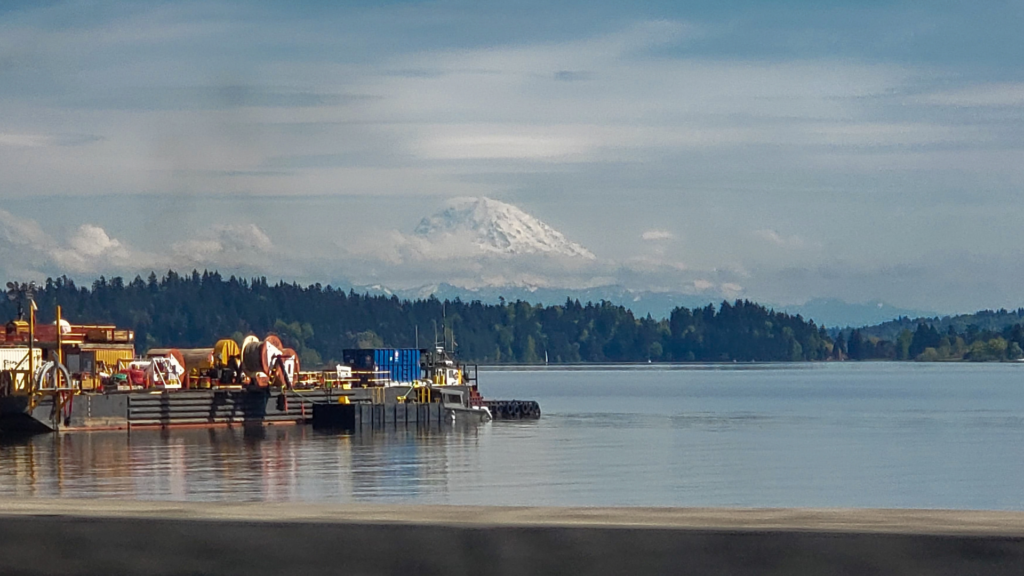
Parts of eastern Washington and Idaho are known for productive farmland, hydroelectric power, and access to freshwater. Lower population density compared with major coastal cities and strong agricultural industries make the region a frequent choice for those interested in long-term preparedness. Local food production and renewable energy contribute to its resilience.
Preparedness Depends on More Than Location

Choosing where to live is only one part of emergency preparedness. Experts emphasize that having emergency supplies, maintaining reliable communication plans, learning basic first aid, and building strong relationships within your community are often just as important as geography. While these nine regions may offer certain advantages such as freshwater, farmland, and lower population density, resilience ultimately comes from thoughtful planning, practical skills, and community support.
