

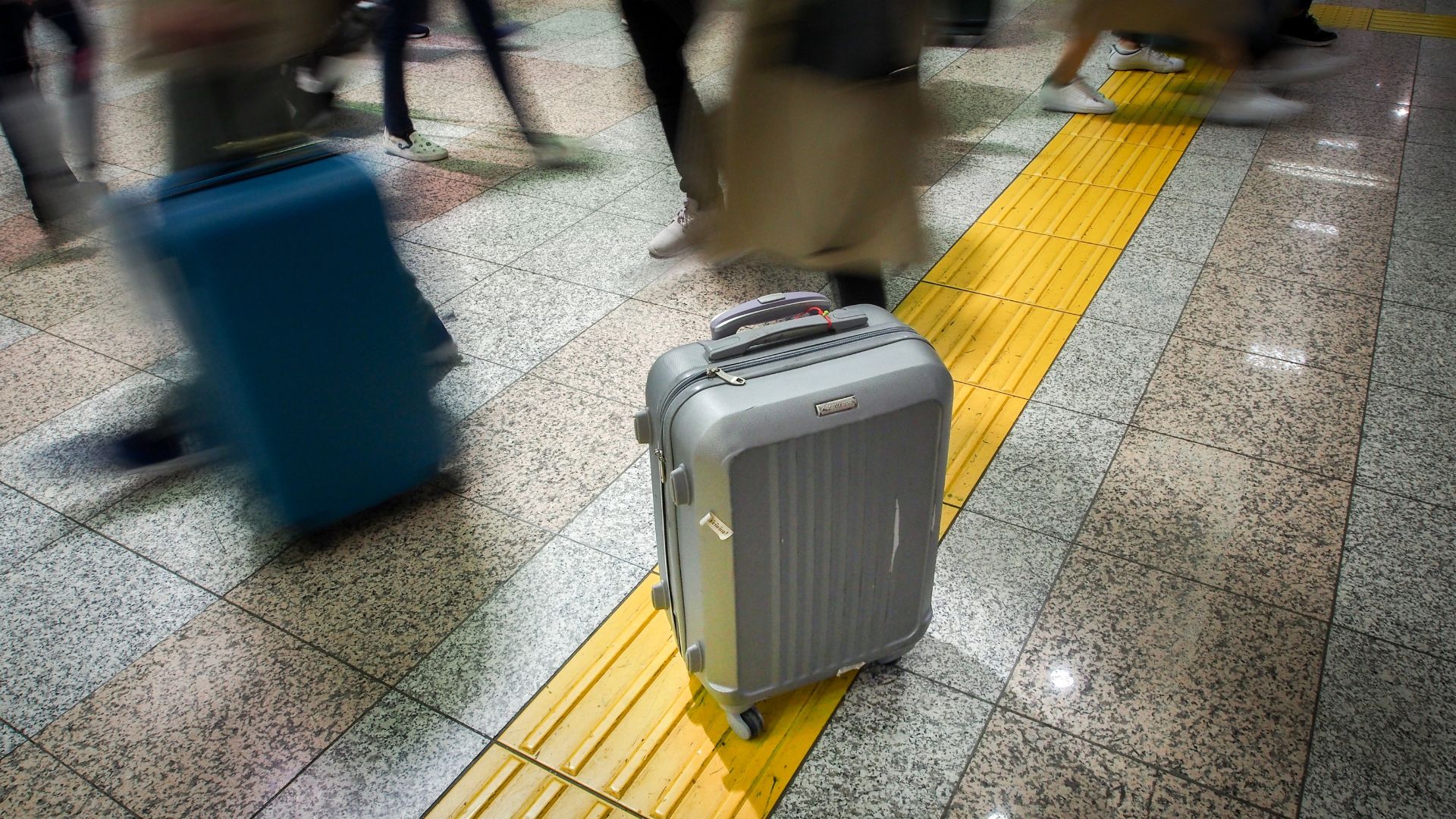
Buying a new suitcase in Japan to carry home your souvenirs is one thing. Leaving the old one behind on the street is another, and Tokyo’s Toshima ward is moving to stop it. The ward, which includes the Ikebukuro shopping area, plans to pass an ordinance with penalties by the end of March 2027 and put it into effect in April.
A Single Suitcase Sat on a Tokyo Street for a Week
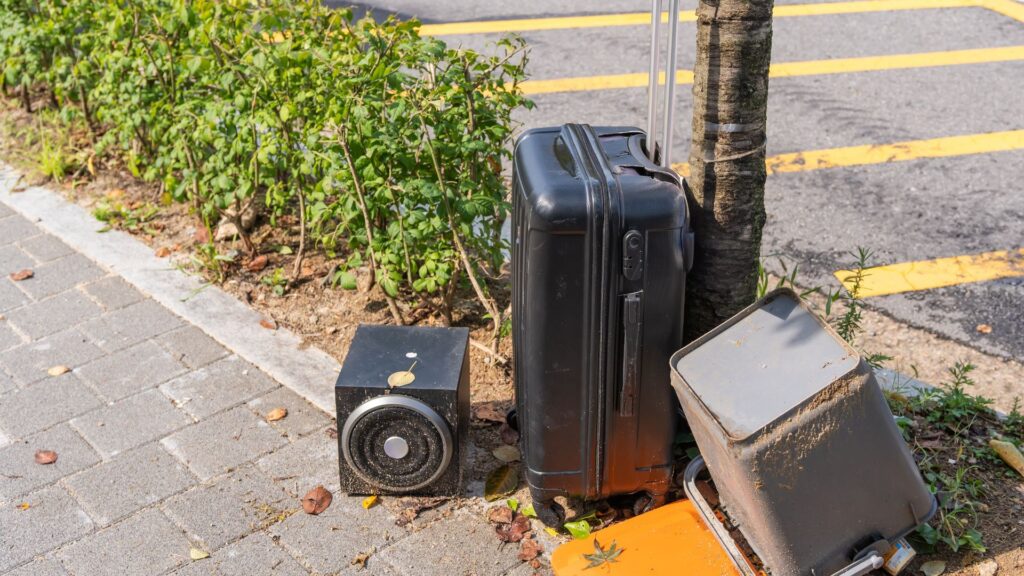
On Sept. 15, a suitcase showed up on the street in front of a garbage collection point in the Ikebukuro-Honcho district. The ward put a sticker on it warning against illegal dumping and left it in place. A week later, it was still sitting there, and the ward had no choice but to haul it away as oversize garbage. And it was not the only one.
Why Ikebukuro Keeps Ending Up With Them
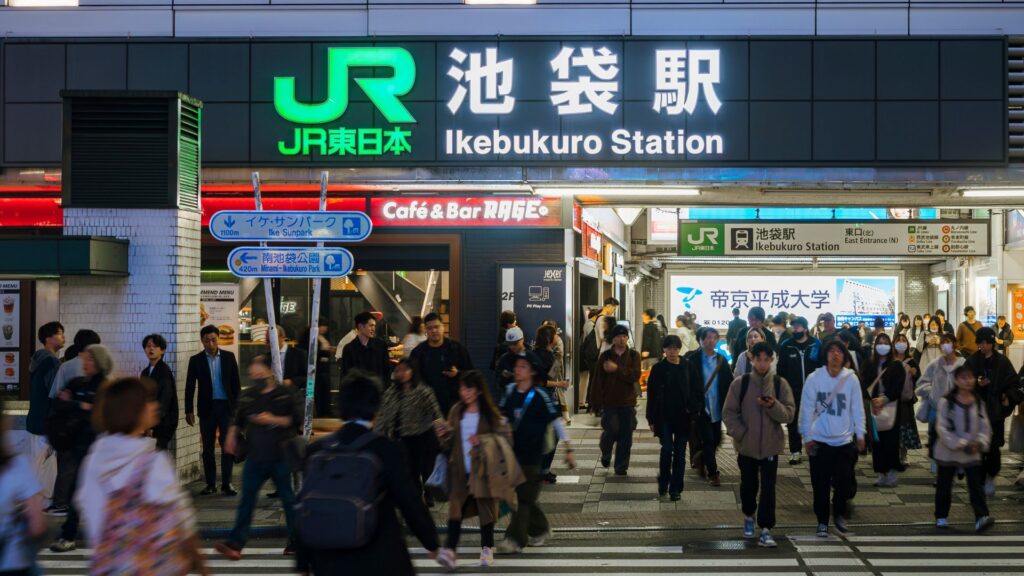
Ikebukuro is a popular stop. A Tokyo metropolitan government survey found one in four foreign tourists visited the district in 2025, a year that brought a record 28.65 million visitors to the city. Hotels and short-term rentals, called minpaku, are clustered around Ikebukuro Station, and that is where suitcases are often found. Toshima ward found about 290 abandoned suitcases in fiscal 2025, and says the number has climbed along with visitor numbers.
Where the Old Bags Are Coming From
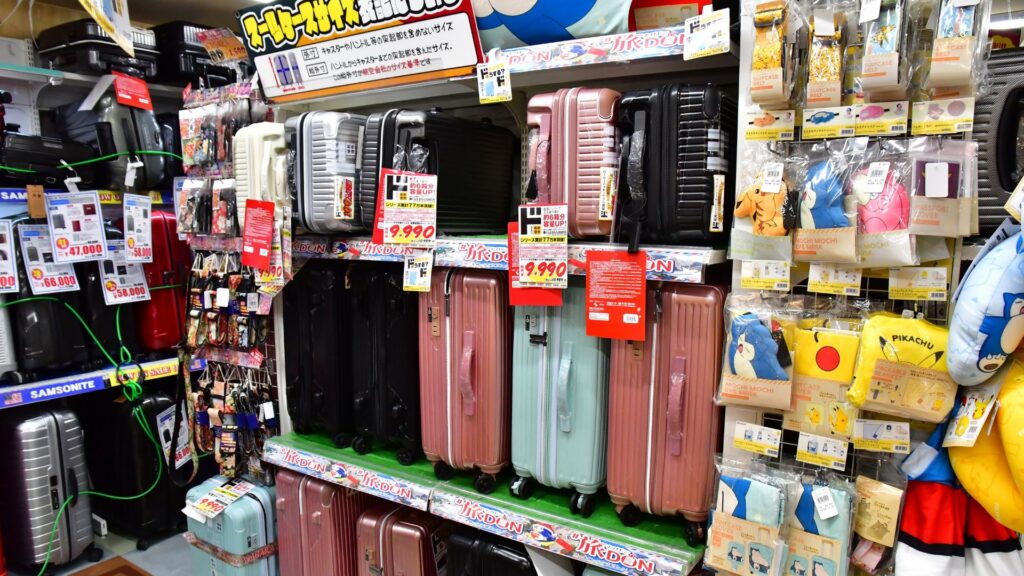
Officials have a few theories about how the old bags end up on the street. A new suitcase can make room for extra souvenirs or sidestep airline baggage fees, and some visitors may also be buying inexpensive, durable Japanese luggage while the yen is weak. Some of the abandoned bags have turned up at accommodations, not just on the street.
Neighbors Have Noticed, and Some Are Spooked
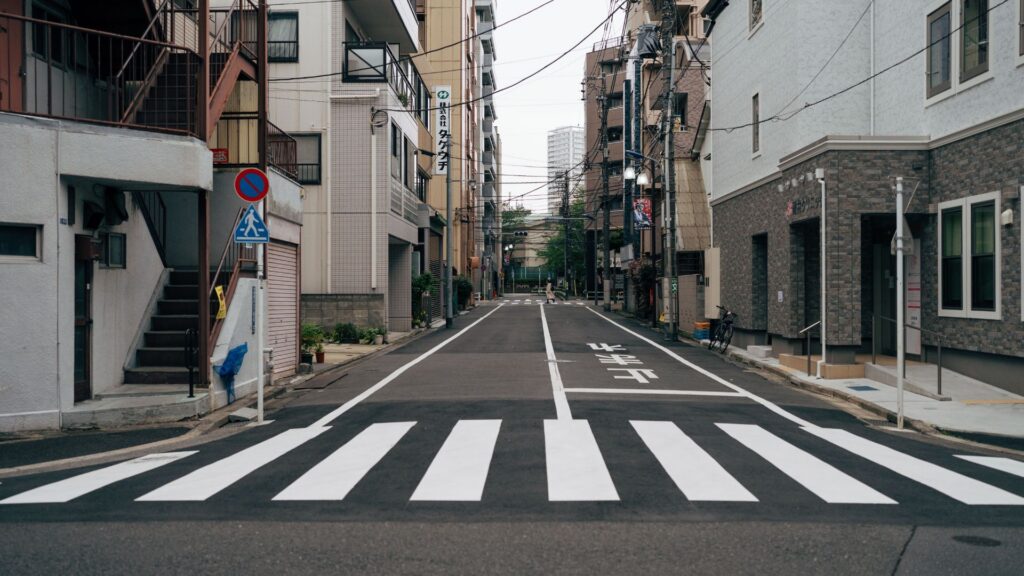
One Ikebukuro-Honcho resident told the Yomiuri Shimbun she has seen more than 50 suitcases abandoned on the street, and she even saw a foreigner leave one behind. She wants visitors to follow the rules. Other residents find unattended bags frightening because nobody knows what is inside, and some call the police. Mitsuhiro Takakuwa, who directs the ward’s garbage collection office, says staff sometimes have to check heavy suitcases with officers present, which is “time-consuming.”
Taxpayers End Up Covering the Cleanup
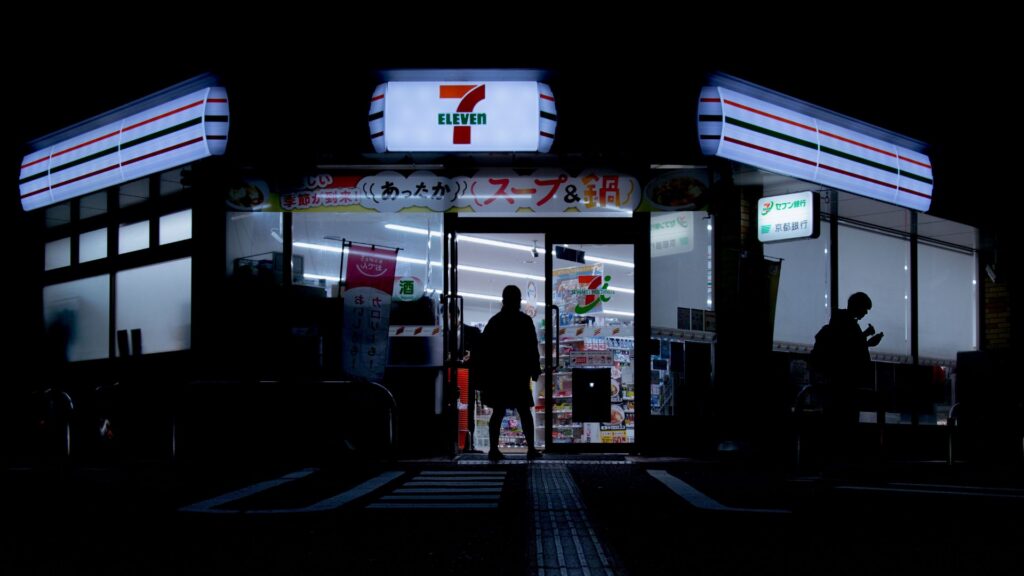
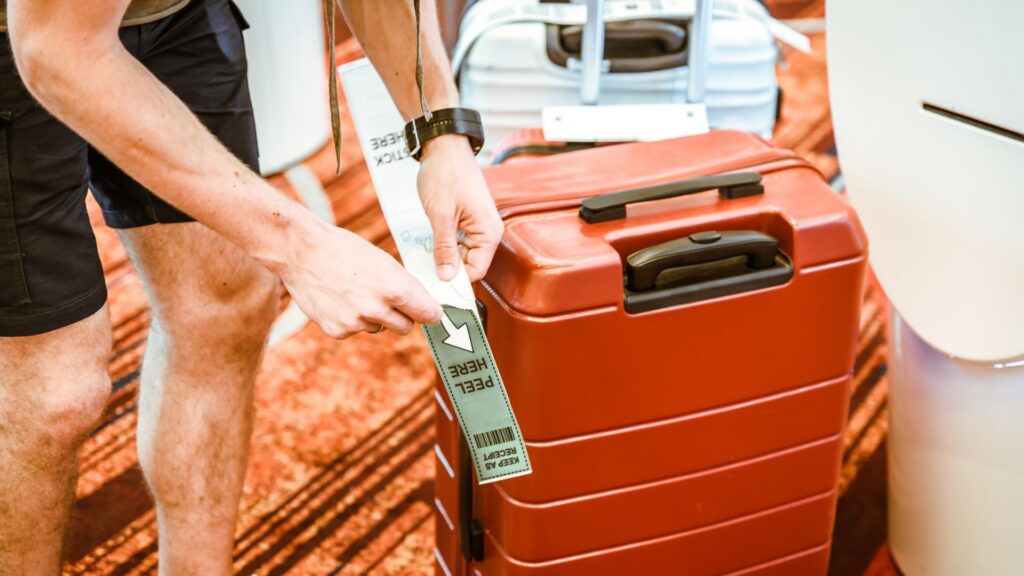
Residents who want to get rid of a suitcase buy a ¥400 bulky waste ticket at convenience stores and other locations. They attach it to the bag, and the ward collects it. That system applies only to ward residents. Tourists have to ask a private waste collector to take their bags, and when they skip that step, the cleanup falls to taxpayers.
The Ward Has Set Up Alternatives to Dumping
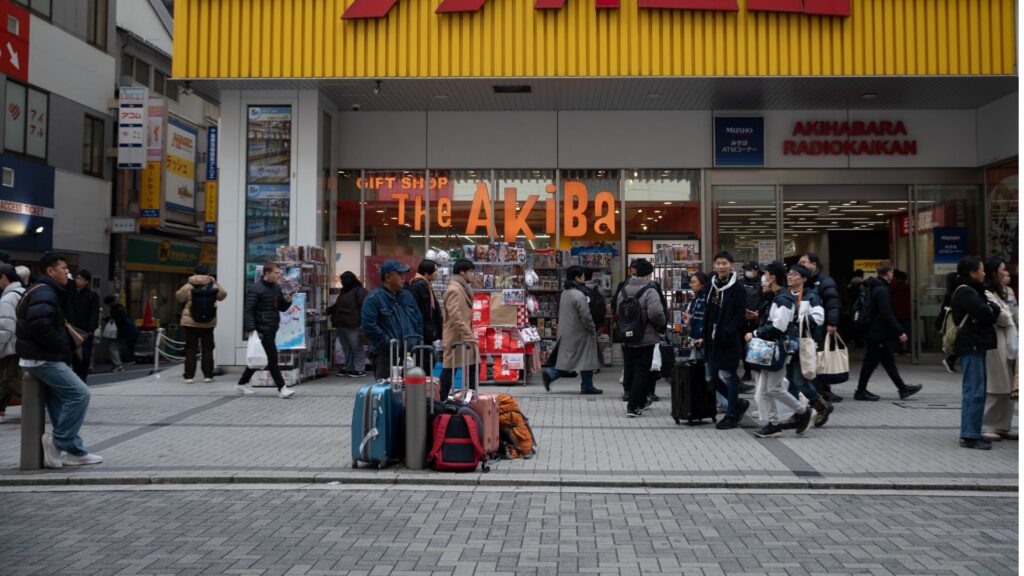
In July, the ward partnered with two private companies, which gives visitors with an old suitcase two options. They can sell it to Cultures Japan at its stores and other locations, or have Nihon Kaban Zai collect it from their lodging for ¥2,500 per bag. The ward also had flyers made in English, Chinese, Korean, and other languages and handed them out to accommodations and retail stores in the area.
This Isn’t Just a One-Neighborhood Problem
Tokyo’s found-property figures point in the same direction. About 4,600 suitcases were logged in 2025, up from roughly 2,600 in 2022, according to Nikkei. Around 70 percent go unclaimed even after police hold them for three months. Airports see it too. At Chubu Centrair International Airport near Nagoya, about 50 abandoned suitcases are recorded each month, according to the Seoul Economic Daily.
What Illegal Dumping Can Cost

Japan’s waste-disposal law already allows illegal dumping to be punished with up to five years in prison, a fine of ¥10 million, or both. That maximum covers offenses under the law, not automatically every abandoned suitcase. As of writing, the specifics of Toshima’s own penalties have not been reported. Ryukoku University professor Daisuke Abe says systems that encourage good tourist behavior matter too, pointing to Copenhagen, where tourists get incentives for environmentally conscious choices.
At One Tokyo Hotel, Left-Behind Suitcases Grow Vegetables
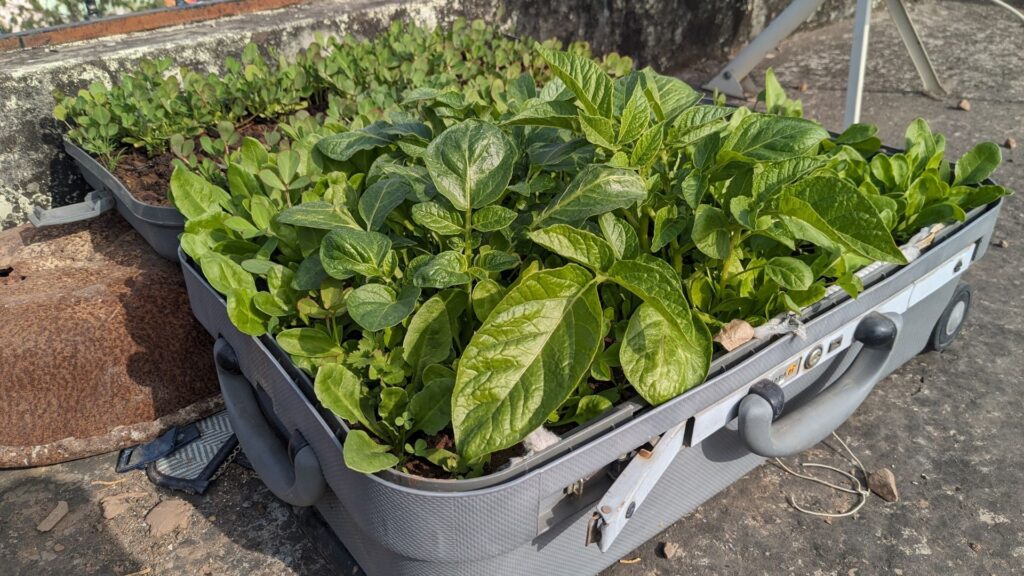
At Hotel Niwa Tokyo in Chiyoda Ward, about 10 suitcases get left behind each month, and about 90 percent of the guests are foreign visitors. The hotel keeps them for a while, and when no one comes back, some end up as planters in the rooftop garden. The hotel has grown about 40 varieties of vegetables and herbs, and some of the harvest is served in its restaurants.
