

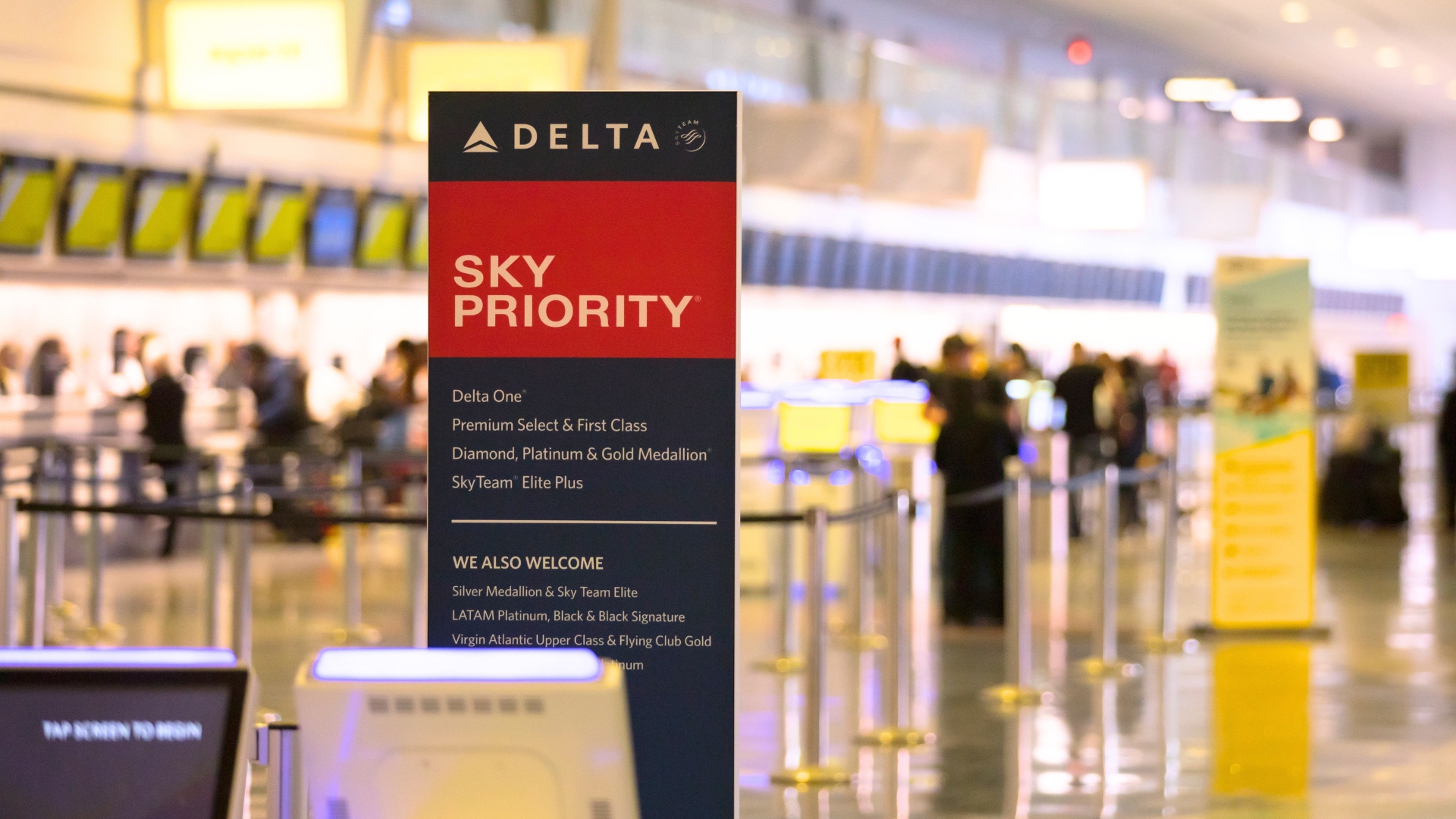
Booking a seat up front used to mean one thing: everything included. That’s changing fast. Major U.S. carriers are quietly splitting first and business class into tiers, the same playbook that turned economy into a maze of add-on fees a decade ago. The lie-flat bed and the chef-plated meal are still there. What disappears is almost everything that used to come free alongside them.
Delta Air Lines made the boldest move yet, rolling out stripped-down Basic fares across Delta First, Delta Premium Select, and Delta One starting July 8, 2026. The cabin experience itself doesn’t shrink. Seat selection, baggage allowances, mileage rates, and flexibility all take a hit instead, buried in the fine print most travelers never read before hitting “purchase.”
Delta wasn’t first. United beat them to it in April 2026 with a stripped-down Polaris business class fare of its own. Two of the three biggest U.S. legacy carriers now sell entry into their most exclusive cabins at a lower price point, provided passengers are willing to give something up in exchange for it.
What Disappears When You Book Delta’s Cheapest Premium Seat
A Basic Business passenger still settles into the same lie-flat Delta One seat, still eats the same curated meal, and still gets the same onboard service as anyone paying full price. The differences surface long before boarding. Seats are assigned only after check-in rather than chosen in advance, stripping away one of the most basic comforts premium flyers expect to control.
Mileage earning takes a hit too. General SkyMiles members collect two miles per dollar on a Basic fare, compared with five miles on a Classic ticket. Checked baggage shrinks by one bag on routes where it’s normally free. Changing plans gets expensive fast: Delta currently charges $300 to alter or cancel a Delta First Basic ticket, $400 for Premium Select Basic, and $500 for Basic Business.
Lounge access is next on the chopping block. Starting January 19, 2027, a Basic Business ticket will no longer include Delta One Lounge entry or dedicated Delta One check-in, according to Delta’s own announcement. Travelers can still get through the door another way, if they happen to hold a qualifying credit card or loyalty status. Otherwise, that VIP send-off is gone.
United Beat Delta to the Unbundled Business Class Trend
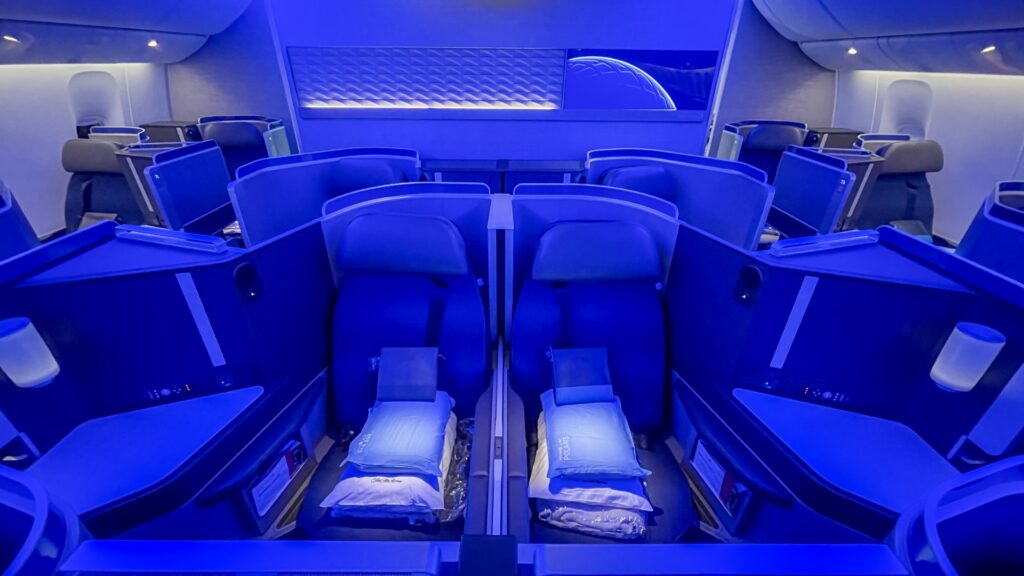
United’s version arrived first, splitting Polaris business class into Base, Standard, and Flexible tiers back in April 2026. The Base fare keeps the lie-flat seat and direct aisle access that make Polaris worth booking in the first place. It cuts nearly everything wrapped around that seat instead, right down to how a passenger picks where they sit.
According to CNBC’s reporting, Base Polaris passengers now pay extra just to choose their seat in advance, something previously bundled into every business class fare. They’re also limited to one checked bag instead of two, and locked out of the Polaris Lounge entirely, though standard United Club access remains part of the deal.
Both airlines frame the shift as giving travelers more choice. Industry watchers see it differently: today’s cheapest fares simply get relabeled as the new stripped-down tier, while the full experience travelers used to expect at that price now costs more. The math rarely favors the passenger who isn’t paying close attention.
The Hidden Costs That Could Erase Your Savings
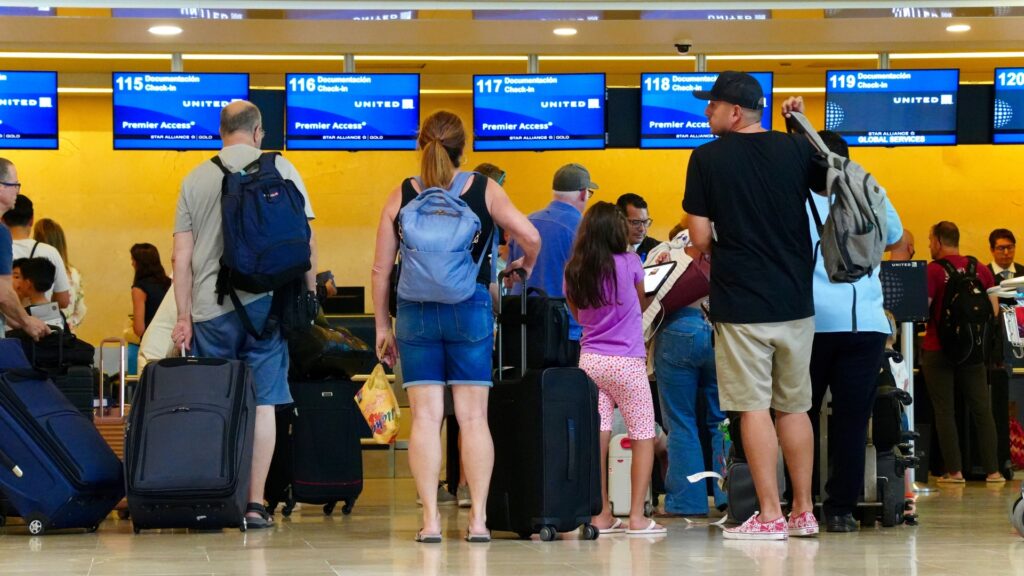
Whether a cheaper premium fare actually saves money depends entirely on what a traveler was going to use anyway. Someone chasing a lie-flat seat for an overnight flight, with firm dates and one small bag, may never miss the lounge access or the extra mileage. Someone who leans on flexibility or status perks could end up paying more the moment plans shift.
The numbers behind that risk are real. U.S. passenger airlines collected roughly $7.4 billion in baggage fees in 2025 alone, with reservation change fees adding another $1.1 billion, according to the Department of Transportation’s Bureau of Transportation Statistics. Average domestic airfare climbed to $428 in the first quarter of 2026, up 4.7% from the prior quarter, and that figure still doesn’t include any optional charges.
A discounted lie-flat seat can be a genuinely smart trade for the right traveler. It stops being one the moment a missed connection, a shifted meeting, or an extra suitcase forces a fee that erases whatever the lower fare saved in the first place. Before clicking purchase, the question isn’t whether the seat is cheaper. It’s whether the traveler was actually going to use everything that got left off the ticket.
