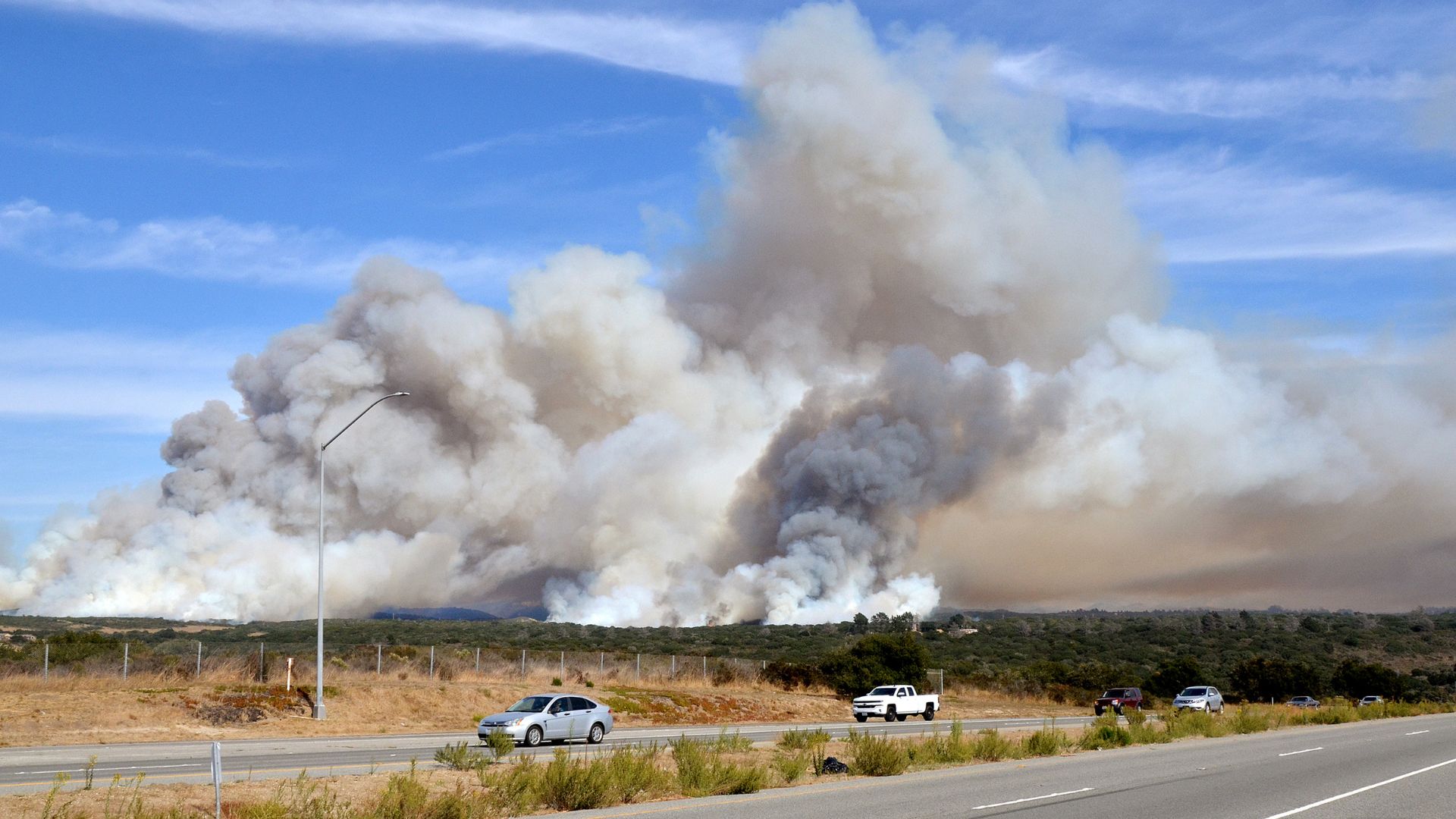
More than 60 major wildfires were burning across the U.S. by late June, with Southern Europe also logging record blazes. A dry winter followed by a stretch of intense heat had primed the ground for that fast start. Canada counted 858 active fires, two dozen newly ignited, according to the Canadian Interagency Forest Fire Centre. For travelers, that scale meant fire season would reach well beyond isolated mountain towns.
Smoke from Canada’s fires didn’t stay put, drifting into Toronto, the Great Lakes region and the Northeast and turning skies hazy and apocalyptic. Air quality officials in Michigan and Minnesota labeled conditions hazardous and urged residents to stay indoors. Minnesota also saw more than a dozen mostly uncontained fires trigger evacuations across its northern reaches by July, prompting the U.S. Forest Service for the Superior National Forest to close the Boundary Waters Canoe Area Wilderness.
Climber Ryan Whited scrapped his annual camping trip to Colorado’s Western Slope this year, pivoting to Arizona’s White Mountains instead and tracking conditions through the Watch Duty alert app. Whited also owns a fitness center in Flagstaff, Arizona, where air quality hasn’t been much better because of the nearby Pocket Fire outside Sedona. Tour de France organizers, meanwhile, banned fans from stages in France because of nearby wildfires.
The Home Prep That Can Stop Embers Before They Start a Fire
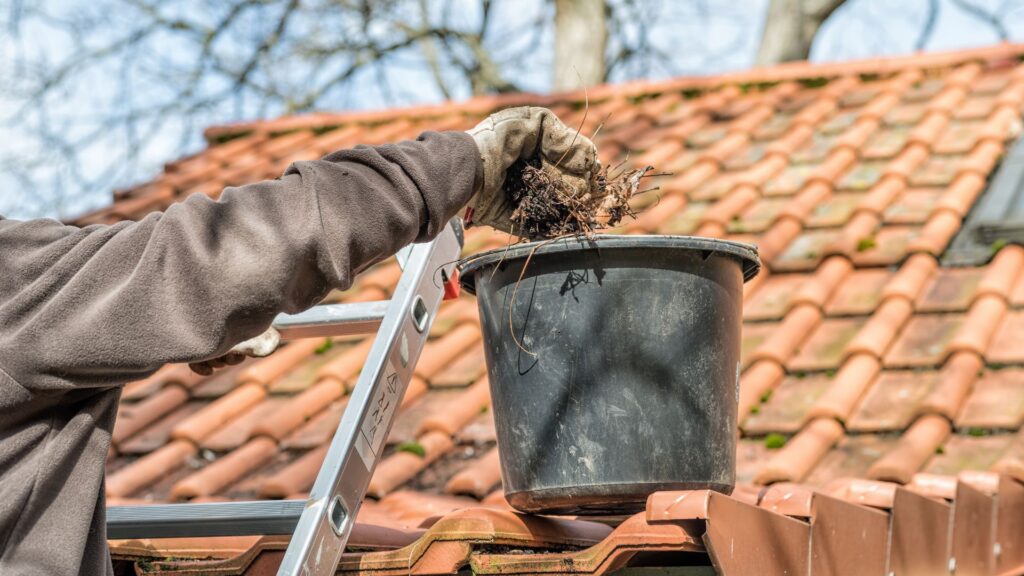
Most homes lost to wildfires are first set ablaze by windblown embers, according to Firesafe Marin. Before heading out of town, the group suggests clearing roofs, gutters, and decks. That includes the base of exterior walls of leaves and debris, pulling dead or dying plants and dry grass from within five feet of the house, and shutting every window, exterior door, and garage door.
Firesafe Marin also suggests relocating firewood, debris, and trash cans at least 30 feet from structures where possible, and bringing cushions, wicker furniture, and doormats inside. Just as important is letting a trusted neighbor or family member know where you’re headed and how to reach you. For pets staying behind, leave a go-kit stocked with a carrier, food, medications, vaccination records, and written care instructions, and make sure the caretaker has reliable transportation.
Firesafe Marin also recommends storing copies of insurance policies, ID, property records, and medical information in secure cloud storage or a fire-resistant safe, so recovery is simpler if a home is affected while its owners are traveling. Before departure, update your contact information and register for alerts like AlertMarin, then check the Marin County Emergency Portal for updates; most destinations run similar notification systems worth signing up for too.
The Hidden Risks and Backup Plans Travelers Overlook
Flames aren’t the only threat a wildfire poses, Australia’s Smartraveller service warns. Radiant heat can move ahead of the fire front, and it’s powerful enough to kill from up to 100 meters away, crack windows, and blow out vehicle tires. Smoke and ash, meanwhile, can drift many kilometers from their source, making the air harder to breathe for anyone with respiratory issues. Officials typically assign each fire a risk level to help guide the response.
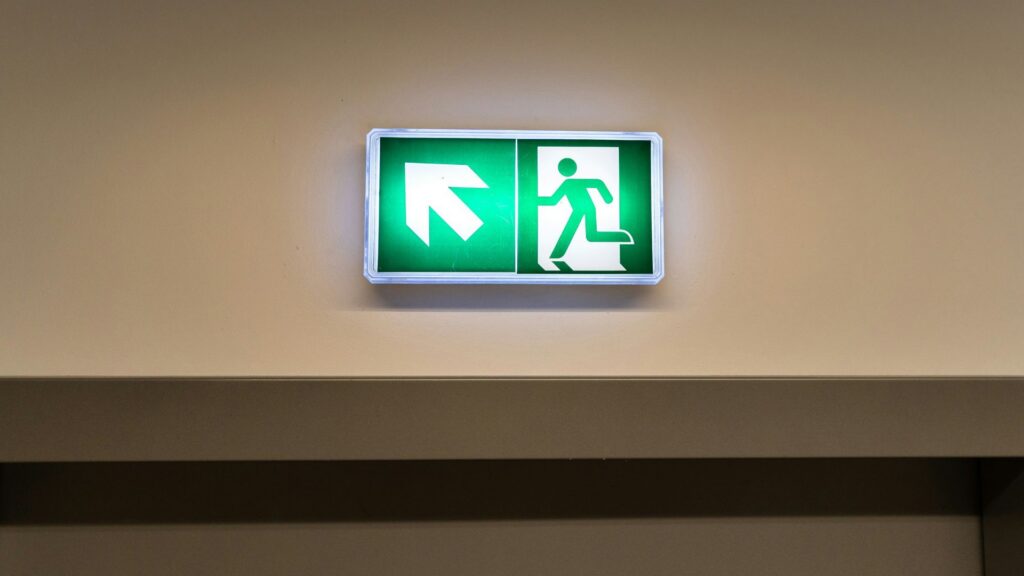
No matter where you’re staying, whether a hotel, rental or campground, work out your emergency exit plan before you settle in, Firesafe Marin suggests, including where the exits are and whether there’s more than one way out by road. Smartraveller adds that it’s worth researching the nearest shelter ahead of time and having a backup plan ready, since a fire’s path is notoriously hard to predict and can shift course without warning once it’s burning.
“Conditions can change rapidly from worse to better in both directions,” Michele Steinberg of the National Fire Protection Association’s Wildfire Division tells Outside. The evening before Colorado’s SBT GRVL race, fires broke out near Fruita and pushed the local air quality index from the 30s to nearly 200 within about an hour, according to race co-founder Amy Charity. It’s also worth keeping an eye on local news and weather updates along the way.
What to Do on the Road, and How to Decide If It’s Safe to Go
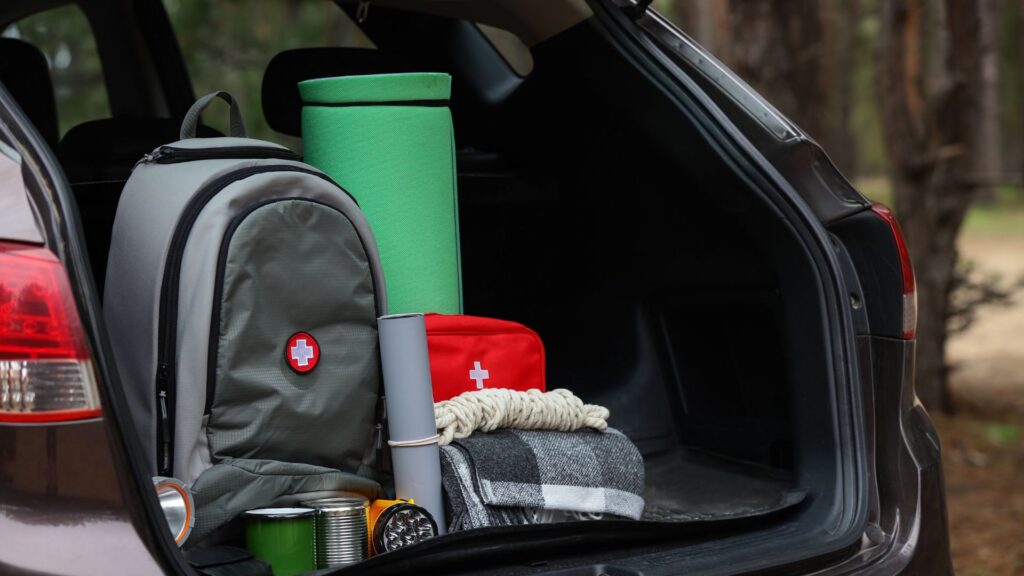
Because fire conditions can shift quickly enough to affect highways, fuel access, and air quality, Firesafe Marin recommends a pre-trip check of a vehicle’s tires, brakes, and fluid levels, along with any road closures. Skyler McKinley, AAA Colorado’s regional director, tells Outside travelers should pack a small fire extinguisher, a shovel, water, a heavy blanket, masks, and paper maps for the car. Cell service, he notes, can drop out in unfamiliar territory during a fire.
“If you see a fire, call it in to 911 with the most precise location you can give, whether that’s a mile marker, highway exit, or cross streets, along with the direction the smoke is blowing,” McKinley says. Smartraveller warns against ever driving toward a fire, stressing early evacuation over waiting. If escape isn’t possible, Steinberg recommends sheltering on a vehicle’s floor under a heavy wool blanket until conditions pass.
“Travel is personal, and individuals need to make their own assessment,” McKinley says. Writer Jen Murphy took that approach when deciding whether her 69-year-old mother should still visit Colorado, which had 16 active wildfires at the time. Rather than cancel their plans, they watched the forecast, and a storm rolled in the night her mother arrived, clearing the air for the rest of the trip. For other travelers, a smoke-free destination remains the surer bet.