

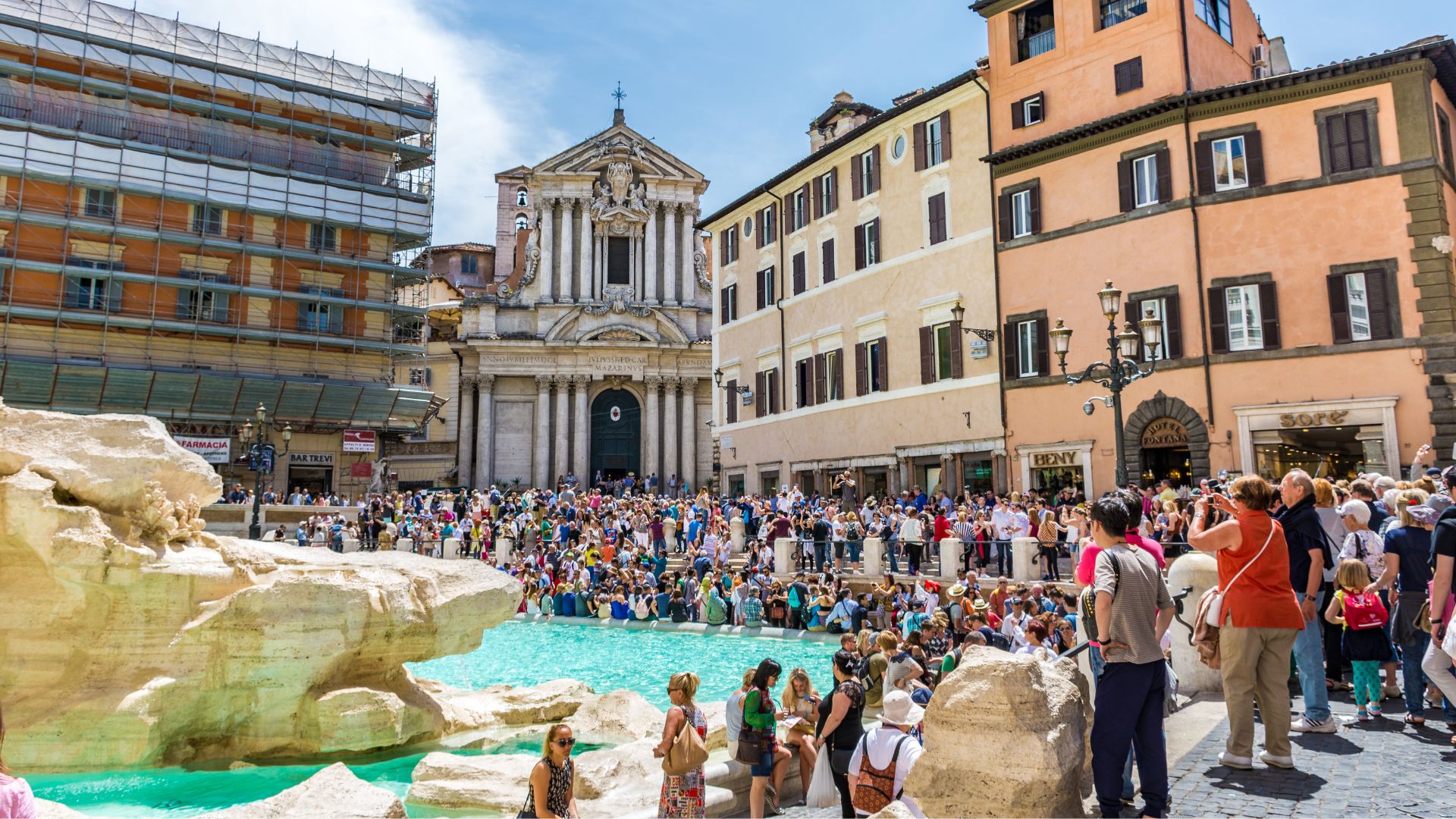
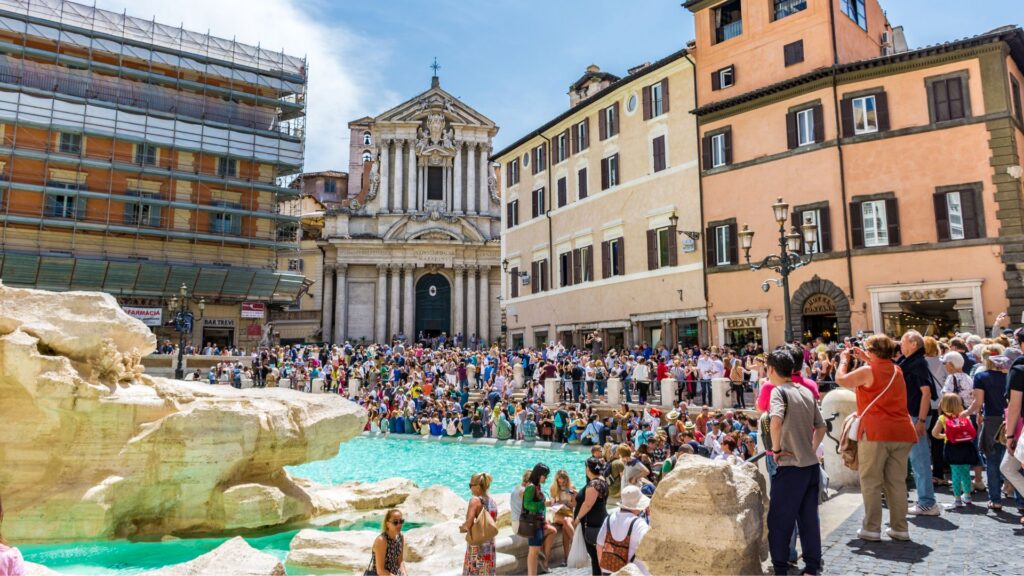
The long line just to glimpse a landmark. The sea of phones held up around you. The search for anywhere to eat that isn’t packed shoulder to shoulder. Somewhere in all of that, travel started to feel like it stopped belonging to the people living there. Global travel surged past pre-pandemic levels in 2025, according to the World Travel and Tourism Council, and the world’s most visited cities are showing the strain. One creative platform, It’s Nice That, thinks it has an answer: travel tiny instead.
What Tiny Tourism Actually Means

It’s Nice That lead editor Liz Gorny noticed something after a while. None of her colleagues came back from trips talking about landmarks. It felt like people were always talking about this cafe they went to or what they found in a grocery store, she told the BBC. That observation became Tiny Tourism, laid out in the outlet’s April 2026 report. The rule is simple. If it feels like something a tourist would do, skip it.
A Reporter Puts the Idea to the Test in Dublin

BBC travel writer Laura Hall tried the approach on a weekend trip to Dublin with her daughter, swapping Temple Bar and the Guinness Factory for thrift shops, public transit and pharmacy aisles. Their first stop was a supermarket, where Hall found herself captivated by a rainbow of Taytos crisp flavors she’d never seen before, including hot dog and curry, rather than any historic site.
Ten Small Ways to Travel Tiny

These suggestions read less like a bucket list and more like a Tuesday. Buy a notebook. Wander residential streets, admiring gardens and windowsills. Go for a run, tour a garden centre, photograph a stranger’s dog. Note the street signage. Do the laundry. Stop into a pharmacy. Zoom in on detail rather than panoramic scenery, the report advises, treating errands as the real souvenir.
Why This Kind of Travel Feels More Honest

None of this is really new. Hall, drawing on two decades as a travel writer, points to a feeling that mass tourism increasingly feels staged, all Disneyfied versions of a place with few local accents left to hear. Opodo’s 2026 Traveller Hacks poll found that browsing a foreign supermarket has become as normal for British travelers as sitting down for a meal out.
The Bigger Problem Tiny Tourism Is Trying to Solve

It’s Nice That says the trend is a response to real strain, not just a passing aesthetic. Bad visitor behavior, high-volume rental practices, and algorithm-induced overtourism are all reshaping how destinations function for the people who live there. The outlet’s Insights report pulls in expert voices from Trippin and Lonely Planet, plus a free playbook for creative teams trying to tell travel stories that actually reflect how people live.
Americans Are Chasing Something Similar
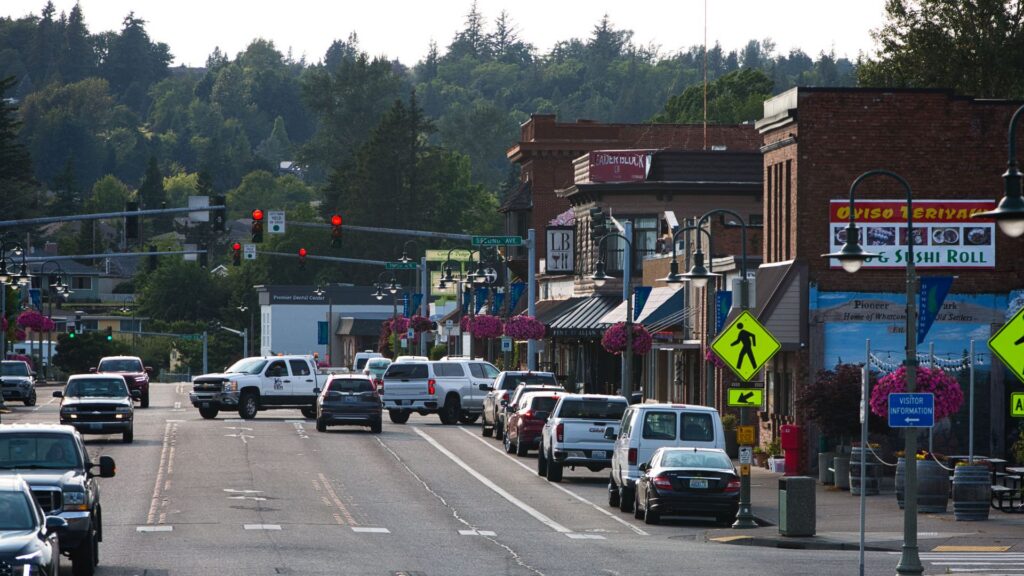
A related instinct is playing out across the United States, where TravelPulse reports a rise in townsizing, travelers trading big-city bustle for small towns with a slower pace and less stimulation. Burnout and overstimulation are driving forces, they also note, alongside a social media culture that now rewards cozy aesthetics and hidden gems over famous landmarks that most travelers have already seen.
Small Towns Where the Slower Pace Shows
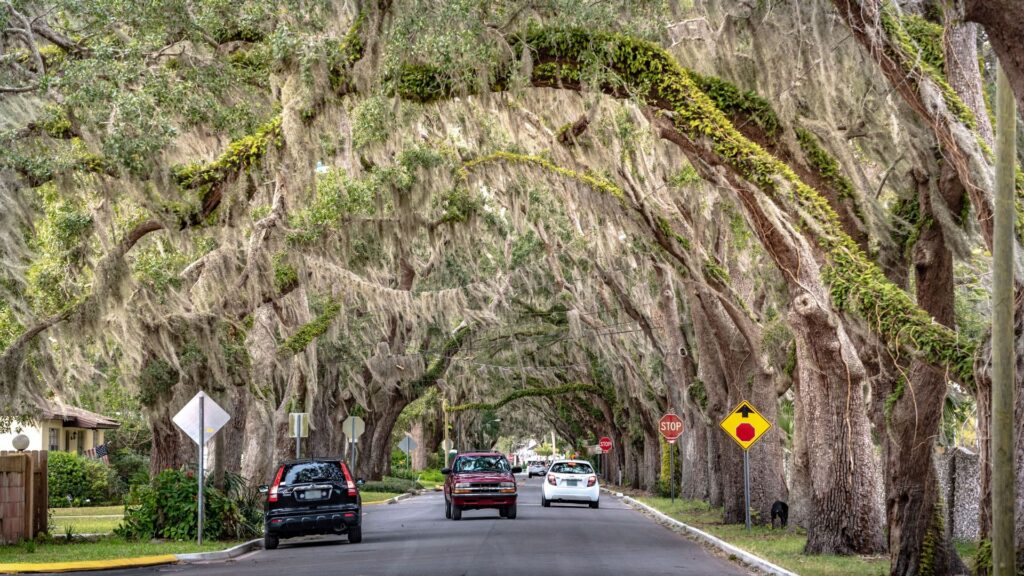
TravelPulse points to Beaufort, South Carolina, an hour and a half from Charleston, where marshes and Spanish moss-draped live oaks make it feel like a place people actually live rather than one staged for visitors. Cape May, New Jersey, about 45 miles from Atlantic City, is known for its preserved Victorian homes and colorful painted ladies. Carmel-by-the-Sea, California, skipped chain stores and stoplights on purpose, keeping the whole village intentionally small.
More Towns Trading Crowds for Character
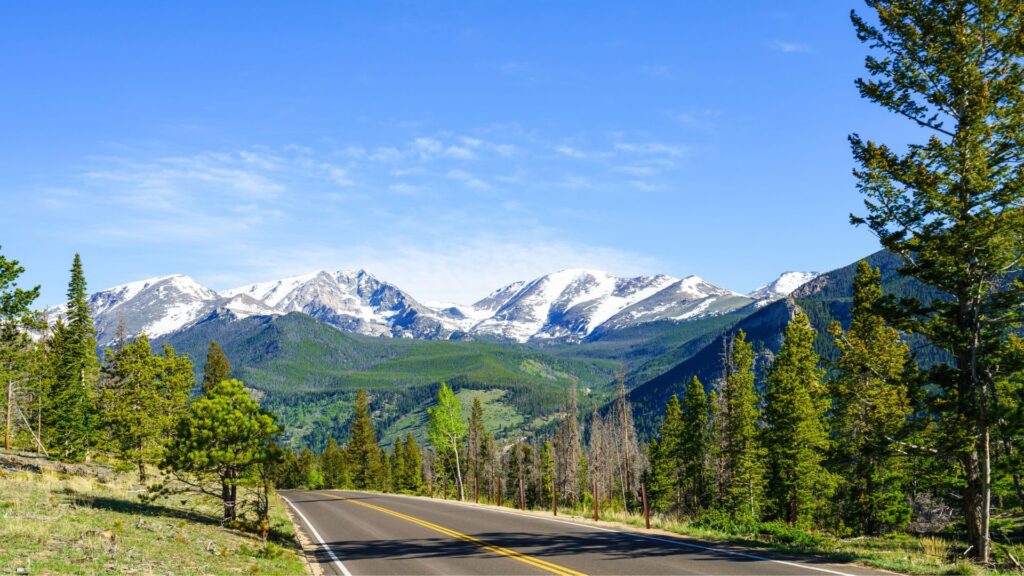
TravelPulse also names Estes Park, Colorado, sitting at roughly 7,500 feet, as a walkable gateway to Rocky Mountain National Park and home to the 1909 Stanley Hotel that inspired Stephen King’s The Shining. Fredericksburg, Texas, founded by German immigrants in 1846, anchors the state’s Hill Country wine region. Kennebunkport, Maine, leans on lobster and quiet harbor sunsets, while Rehoboth Beach, Delaware, stays easygoing and uncrowded despite its mile-long boardwalk.
Tiny Tourism Works Best as Part of the Trip
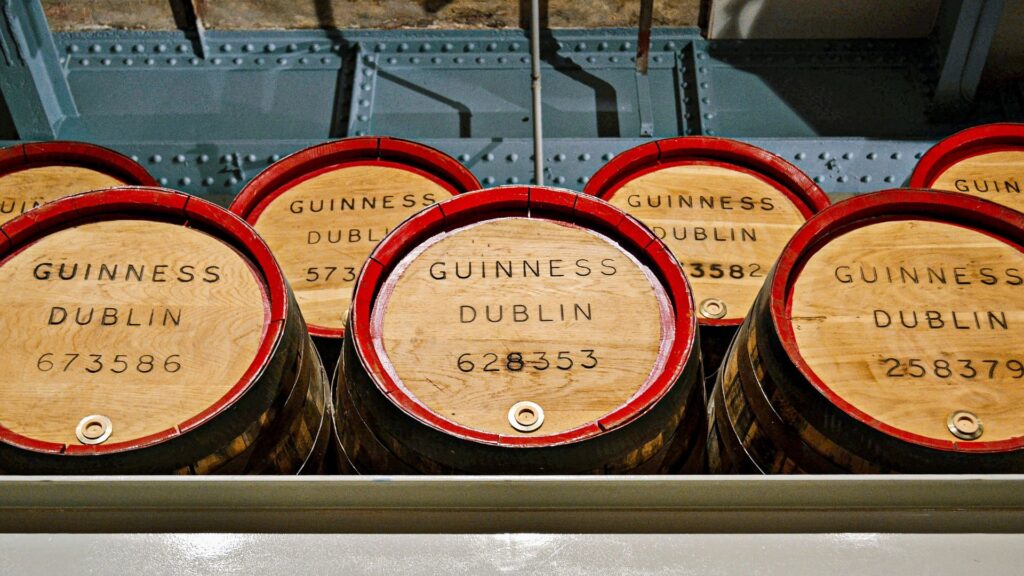
Back in Dublin, Hall’s own verdict was that Tiny Tourism is good, but it didn’t deliver enough on its own. Wandering into Temple Bar’s rowdy pubs, then touring Trinity College’s grassy quads once home to Samuel Beckett, Jonathan Swift and Oscar Wilde, ended up as trip highlights she hadn’t planned for. Her pitch instead is what she calls Medium Tourism. Hit the major sights, then slow down and notice what’s around them.
