

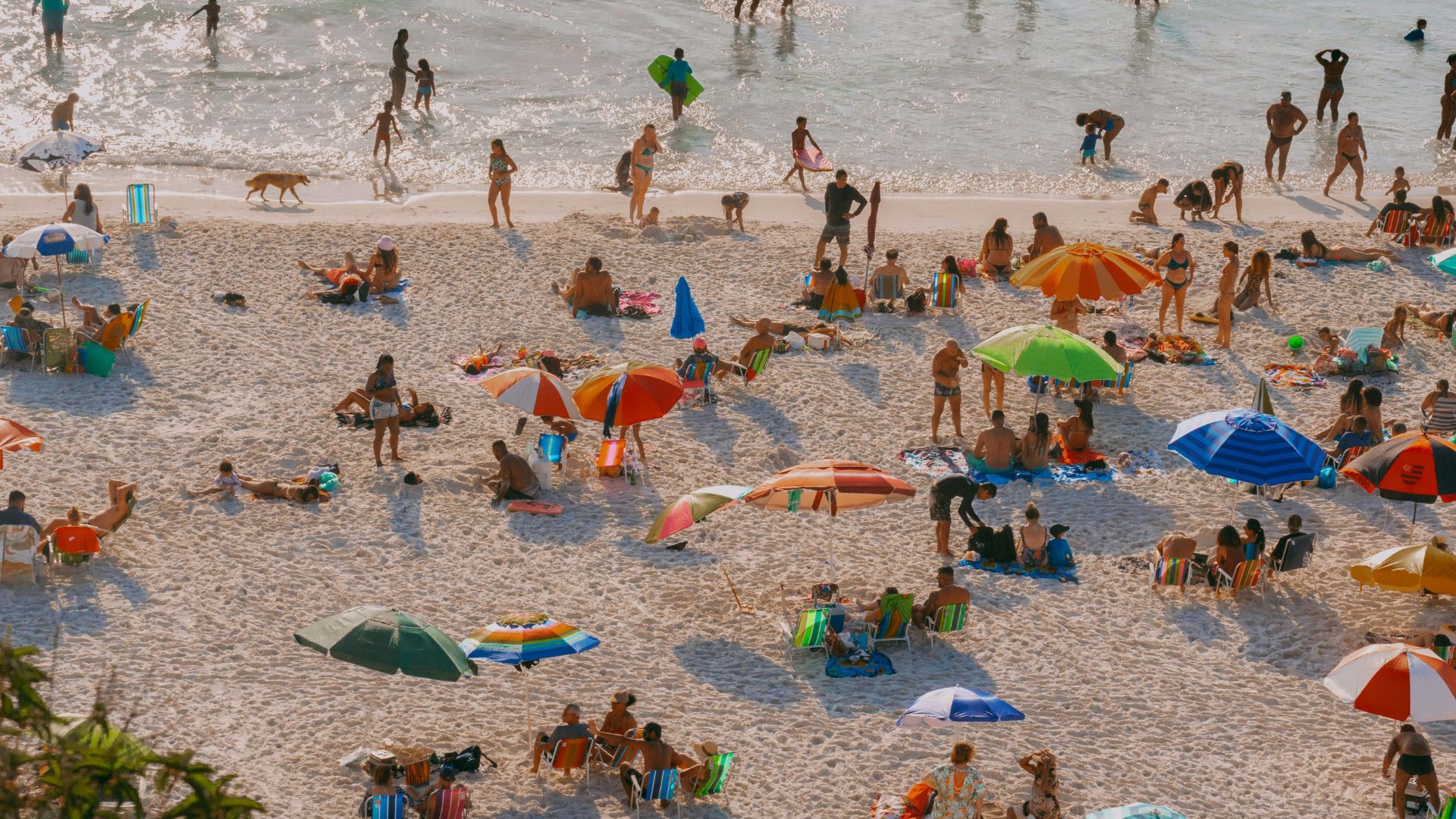
Before you pick a spot for the towels this summer, here’s one more thing worth checking: crime data. The Action Network combed through statistics near more than 500 U.S. beaches, weighing several categories of property crime to see which coastlines carry the least risk. Florida and Hawaii came out on top, with several beaches posting a 0% implied theft risk and an A+ grade for keeping your stuff safe.
How Researchers Ranked the Safest Beaches
Researchers built their rankings using a weighted scoring model, drawing crime statistics from CrimeGrade.org and matching them to each beach’s ZIP code. Theft counted for 40% of the score, robbery for 30%, vehicle theft for 20%, and burglary for 10%. To avoid skewing small towns unfairly, analysts calculated an effective daily population for each spot, blending Census Bureau data with visitor estimates from tourism bureaus and park entry counts.
Most Beach Crime Isn’t What You’d Expect
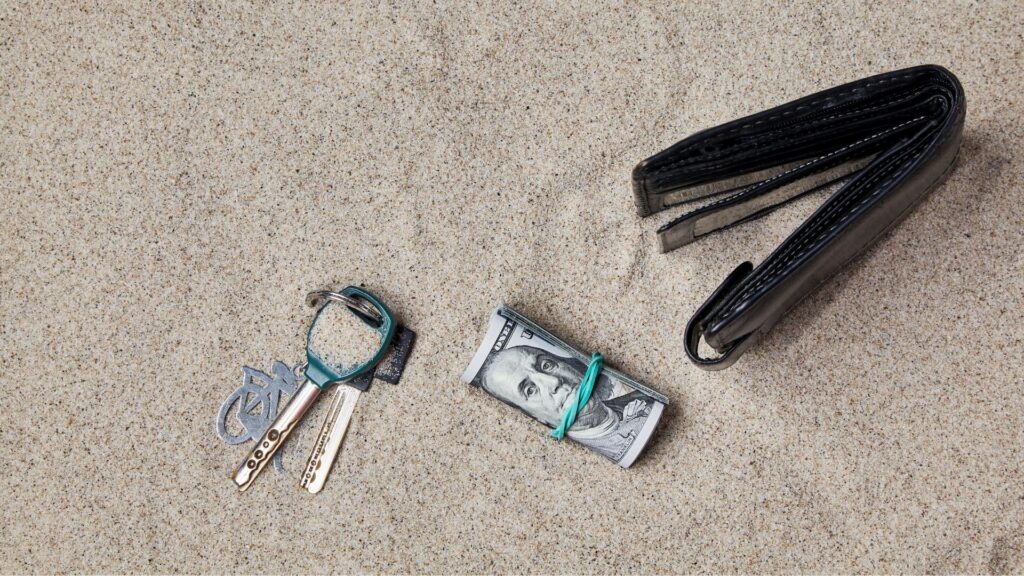
Kathy Morris, a spokesperson for The Action Network, said travelers rarely factor property crime into their summer plans, even though unattended phones, wallets and car keys on the sand make easy targets. The team weighed how many tourists pass through each spot against local census figures to pin down individual risk for beachgoers. Morris said the good news for vacationers is that over 90% of beach-area incidents are “non-violent property theft.”
New Smyrna Town Beach, Florida, Ranks Safest in the Country
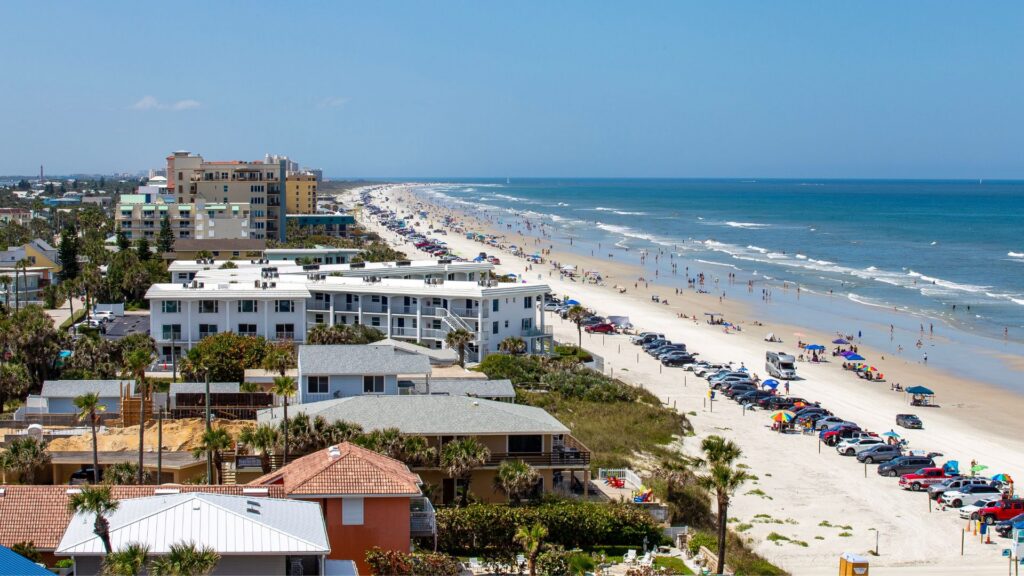
New Smyrna Town Beach in Florida claims the top spot as the least theft-prone beach in the country. The ZIP code 32168 area, with an estimated daily crowd of about 32,000, recorded an adjusted property crime rate of just 0.01 incidents per 1,000 people and zero adjusted violent crime, earning a 0% implied theft risk and an A+ safety grade, the best marks in the study.
Cape Cod National Seashore Ties for the Top Spot
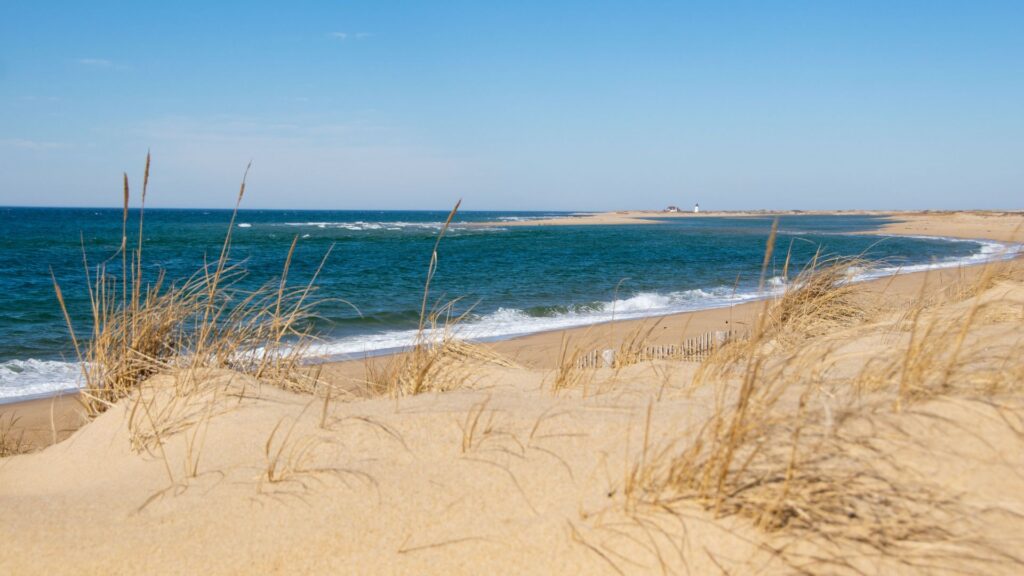
Massachusetts’ Cape Cod National Seashore, including the Marconi area, ties New Smyrna Town Beach for the safest ranking nationwide. Despite roughly 35,000 people passing through on a given day in ZIP code 02667, the surrounding area posted an adjusted property crime rate of 0.01 per 1,000 people and no measurable violent crime. Like its Florida counterpart, the historic shoreline earned a 0% implied theft risk and an A+ safety grade.
Florida Sweeps Three More Spots in the Top Five
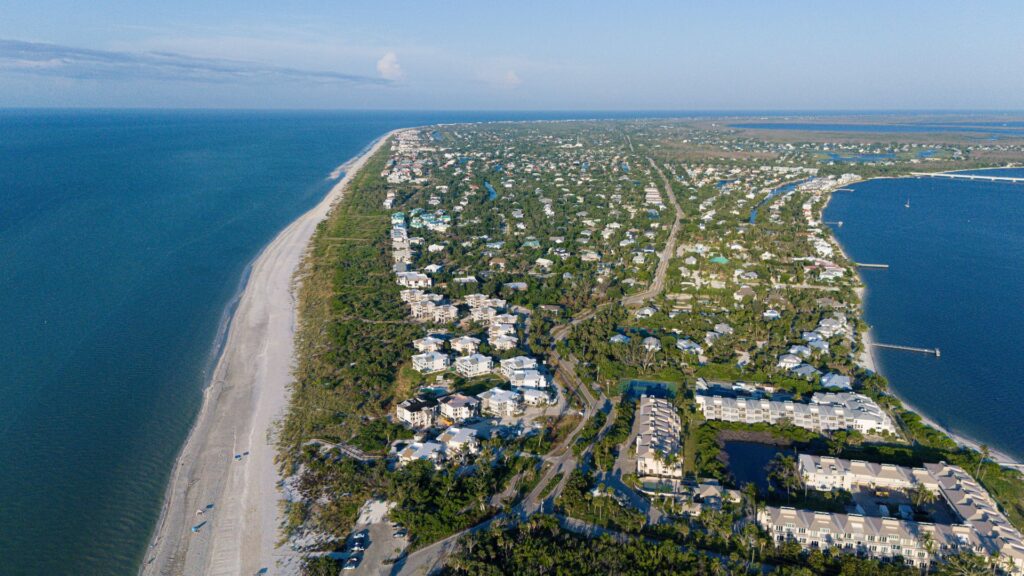
Florida claims three more spots among the ten safest beaches. Sanibel Island, covering Bowman’s Beach, Blind Pass and Tarpon Bay, ranked third with a 0.05% implied theft risk. Key West’s Fort Zachary Taylor, Higgs and South Beaches, along with Siesta Key’s Siesta, Turtle and Crescent beaches, tied for fourth at 0.01%. Each earned an A+ safety grade, reinforcing the state’s strong showing in the rankings.
Virginia Beach and Hawaii’s Kailua Area Round Out the Tie
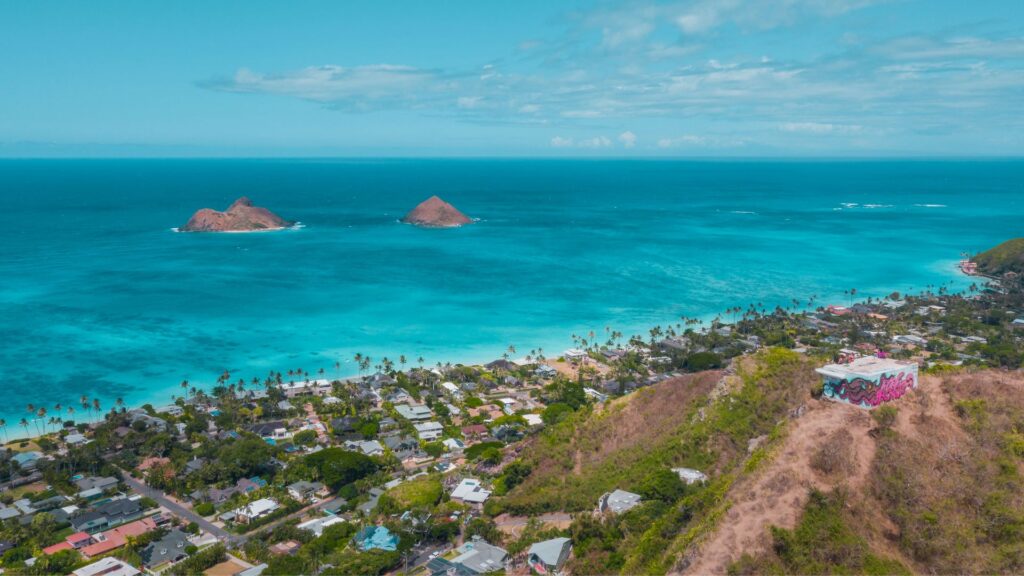
Virginia Beach Oceanfront and the Kailua area of Hawaii, home to Lanikai and Kailua Beach Park, also tied for fourth place with a 0.01% implied theft risk and A+ grades. Hawaii’s strength extends further. The report highlighted Maui’s Kaanapali Beach as another standout, with an implied risk score below 0.88% once daily visitor counts were factored in alongside local crime statistics.
Delaware and South Carolina Resort Towns Make the List
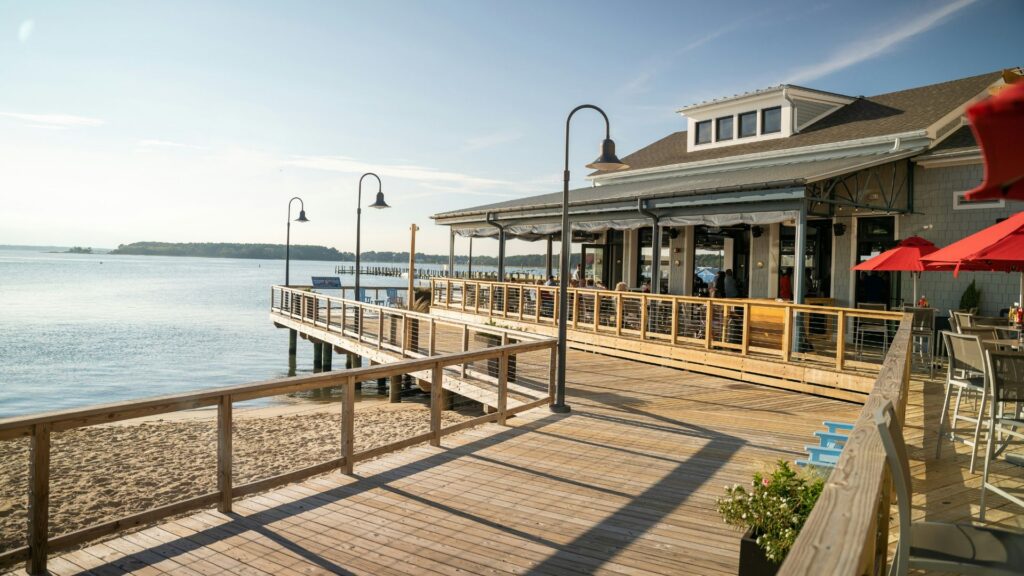
Delaware’s Rehoboth and Dewey Beach area ranked eighth nationally, posting a 0.09% implied theft risk with roughly 35,000 people on a given day in ZIP code 19971. South Carolina’s Hilton Head Island, covering the Coligny and Palmetto Dunes areas, followed in ninth place with a 0.31% implied risk. Both destinations earned A+ safety grades, rounding out a list led by East Coast resort towns.
Waikiki Rounds Out the Safest List
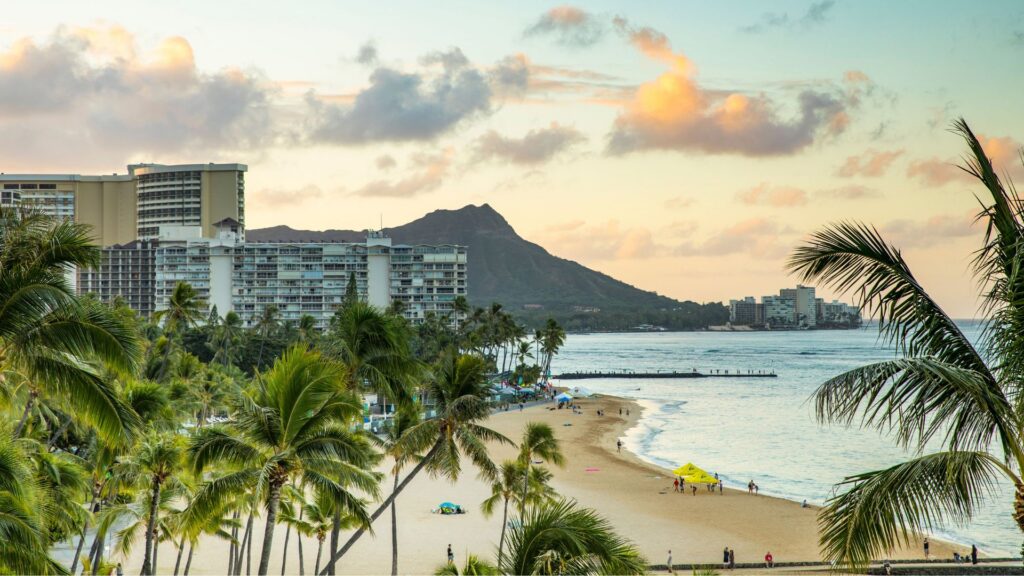
Hawaii’s Waikiki Beach Corridor rounds out the top ten safest list, with a 0.51% implied theft risk despite roughly 85,000 people on a given day. For contrast, the riskiest beach nationwide was North Jetty in Ocean Shores, Washington, at 4.81%, followed by Folly Beach in South Carolina and Newport Beach’s Main and The Wedge in California, each still earning only a B- safety grade.
The Bottom Line for Beachgoers This Summer
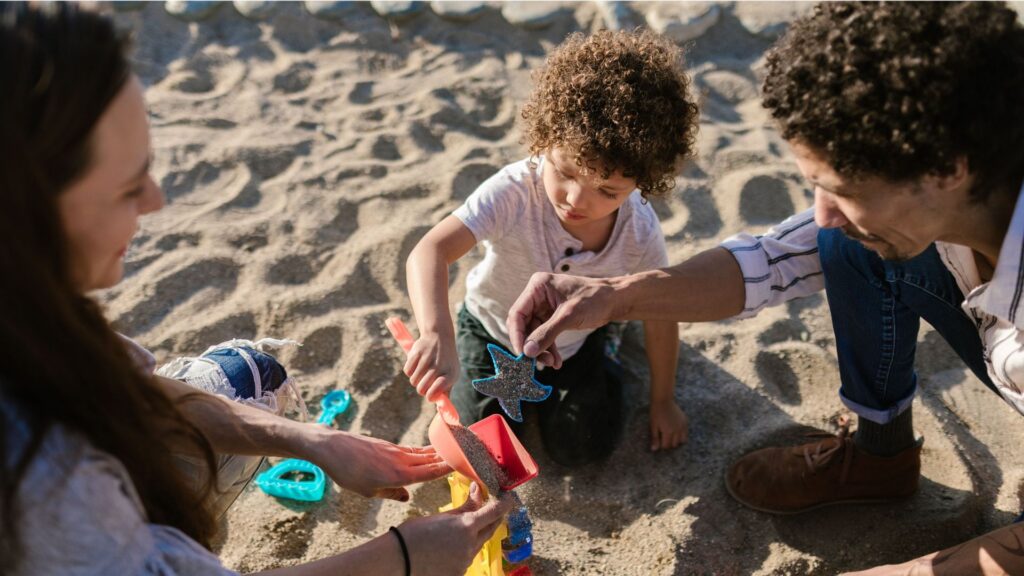
Appearing on the higher-risk list doesn’t mean a beach is unsafe, researchers noted, but it does make basic precautions worthwhile: locking vehicles, keeping valuables out of sight, and never leaving bags unattended on the sand. For anyone chasing a truly worry-free shoreline this summer, Florida, New England and Hawaii currently offer the safest bets, thanks to some of the lowest property crime rates in the country.
