

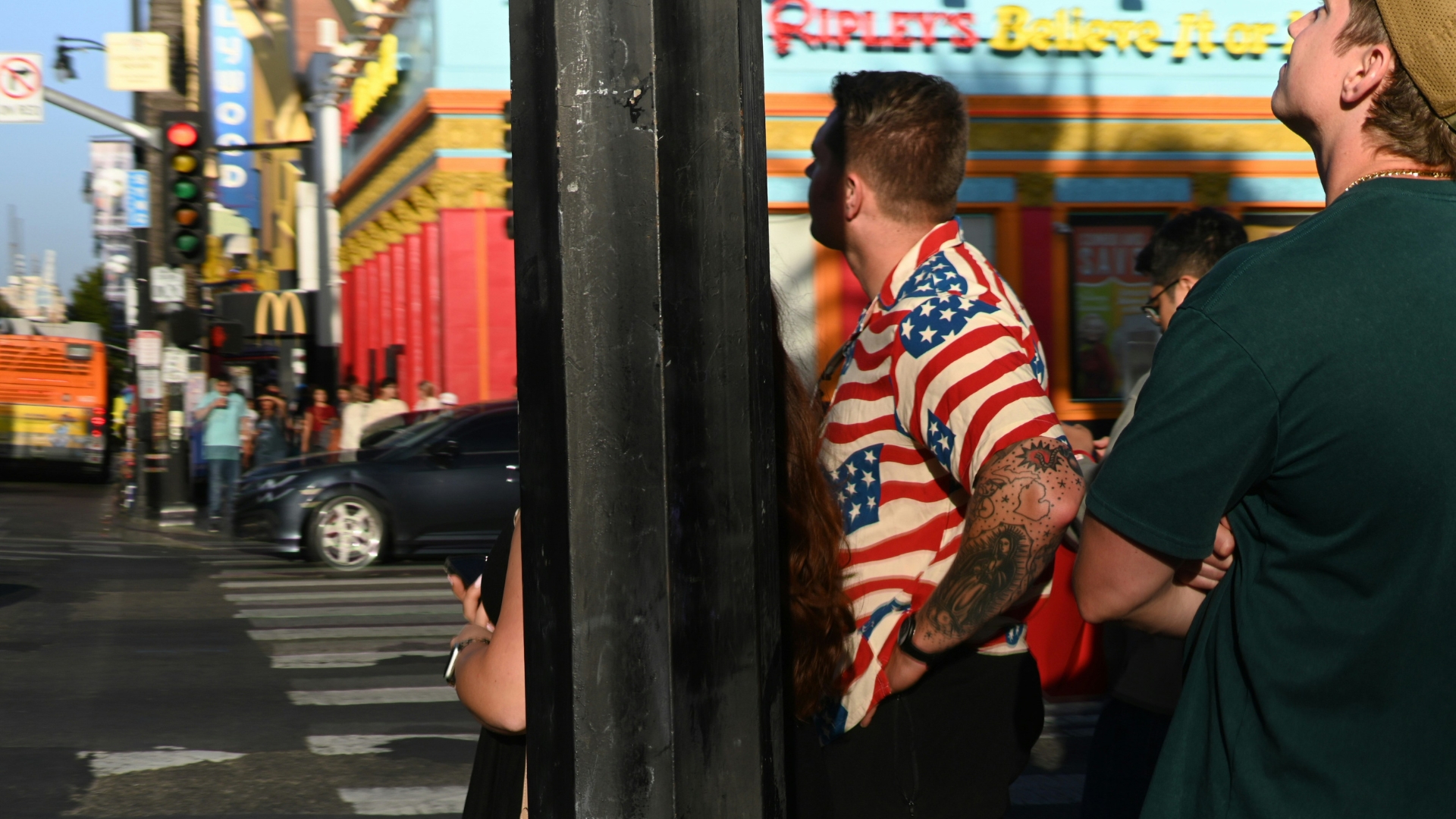
Ask an American traveler in Europe where they’re from, and the honest answer might not be the one you get. A Feb. 2026 survey by the shipping company Send My Bag found that 44% of 1,000 U.S. adults aged 18 to 45 admitted to lying about their nationality while abroad. That’s not a fringe habit. It’s nearly half of young American travelers choosing a different identity the moment they land.
The lie isn’t always a full-blown cover story. Of the Americans who admitted to it, 28% said they only do it occasionally, pulling it out when a conversation feels risky. The other 16% said it’s closer to a habit, something they lean on regularly no matter where they travel. Either way, the instinct is the same: better to blend in than explain where you’re really from.
Adam Ewart, founder and CEO of Send My Bag, has a theory for why. He told USA TODAY that young Americans are increasingly choosing to “blend in while traveling,” prioritizing their actual trip over fielding questions about U.S. politics. Travelers heading to Europe, he said, are there for the food, the culture, and the history. What they’re trying to avoid is everything that comes after “so, what do you think about…”
Travelers Say They’re Dodging Confrontation, Not Just Small Talk

According to Ewart, the motivation goes beyond simple awkwardness. Americans abroad are worried about how they’ll be perceived once their nationality is on the table, particularly by people with strong opinions about U.S. policy. “To reduce tension and deflect any potential confrontations, Americans may make the choice to pass for another nationality,” he said. In other words, the fake accent or vague answer is a shield, not a joke.
This defensiveness isn’t happening in a vacuum. USA TODAY has also reported that a broader share of Americans feel outright uneasy about international travel right now, separate from the nationality-hiding trend specifically. Put those two data points together, and a pattern starts to form: it’s not just political conversations Americans are avoiding, it’s the entire experience of being visibly American somewhere else.
But dodging political conversations is only half the story. Some travelers aren’t hiding their passport to avoid talk of Greenland or tariffs. They’re doing it because of a much older, more familiar problem: the reputation that walked into the room before they did.
A New Survey Just Measured The “Loud American” Stereotype

Between December 2025 and January 2026, Gallup Iceland surveyed 427 tourism professionals for the travel platform Guide to Iceland, asking them to rank which nationalities stood out across categories like communication, preparedness, and rule-following. Americans made the list in nearly every category, but not always for the same reason. The survey didn’t just confirm a stereotype. It split it in two.
On one hand, U.S. travelers were named the easiest nationality to communicate with by a wide margin, cited by 73.8% of respondents. On the other, once China and the catch-all “other” category are set aside, Americans ranked as the most likely named nationality to skip service expectations (29.1%) and the second most likely to disregard Iceland’s safety and environmental guidelines (23.2%), trailing only China.
Ingólfur Shahin, CEO of Guide to Iceland, doesn’t think that contradiction is really a contradiction. “As one of the largest visitor groups in Iceland, [Americans] represent a very wide range of travel styles and expectations,” he told USA TODAY. Strong English proficiency makes them easy to talk to, he explained, but their sheer numbers mean more issues get reported simply because more Americans are there to report them.
The Data Suggests It’s Volume, Not Just Attitude
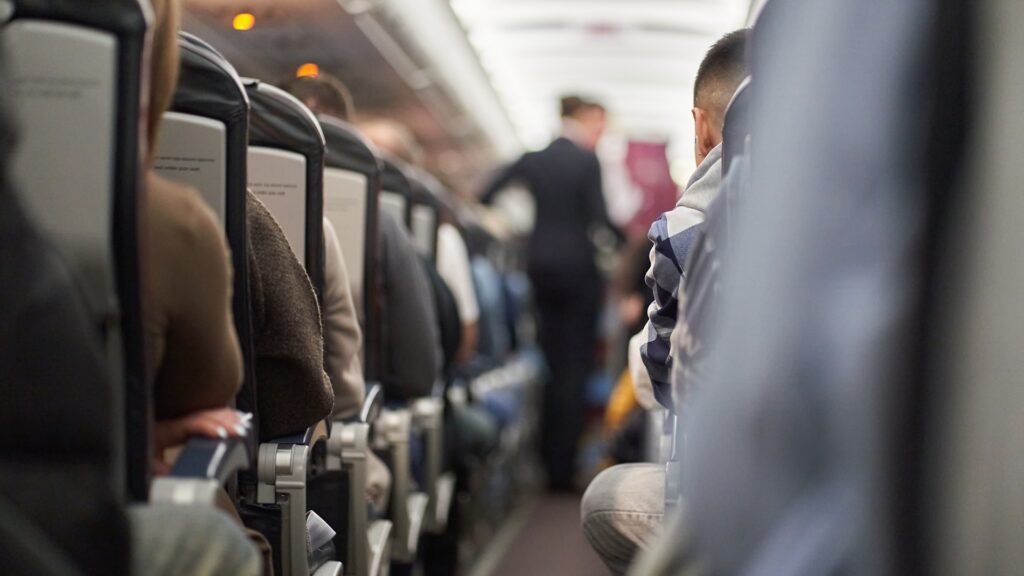
Iceland’s own numbers back that up. Travelers from Germany and Canada topped the “best prepared” and “most compliant” categories, while the U.S. showed up as what researchers called a mixed case, ranking well in some measures and poorly in others simultaneously. No single nationality in the dataset appeared in both the top and bottom tiers as consistently as Americans did.
Shahin’s advice cuts through the noise around nationality altogether. “A good traveler is curious, respectful, and prepared,” he said. “They follow local guidelines, respect nature and local communities, and take the time to understand the place they are visiting.” None of that requires hiding a passport. It just requires showing up differently than the stereotype predicts.
Two surveys, two very different pictures of the same traveler. One shows nearly half of young Americans quietly editing their identity at customs. The other shows local tourism workers who mostly find them easy to deal with, reputation aside. The lie, it turns out, may be doing more work protecting egos than protecting anyone from an actual bad reaction.
