



Many travelers believe they are being clever by hiding cash and cards in unexpected places, assuming any hidden spot keeps their money safe. Some of the most popular tricks, from tucking bills into socks to overstuffed fanny packs, are exactly what thieves already expect. The Federal Deposit Insurance Corporation warns that careless money habits on the road can leave travelers exposed to theft and unnecessary losses.
Why Your Hiding Spot Might Not Be So Secret
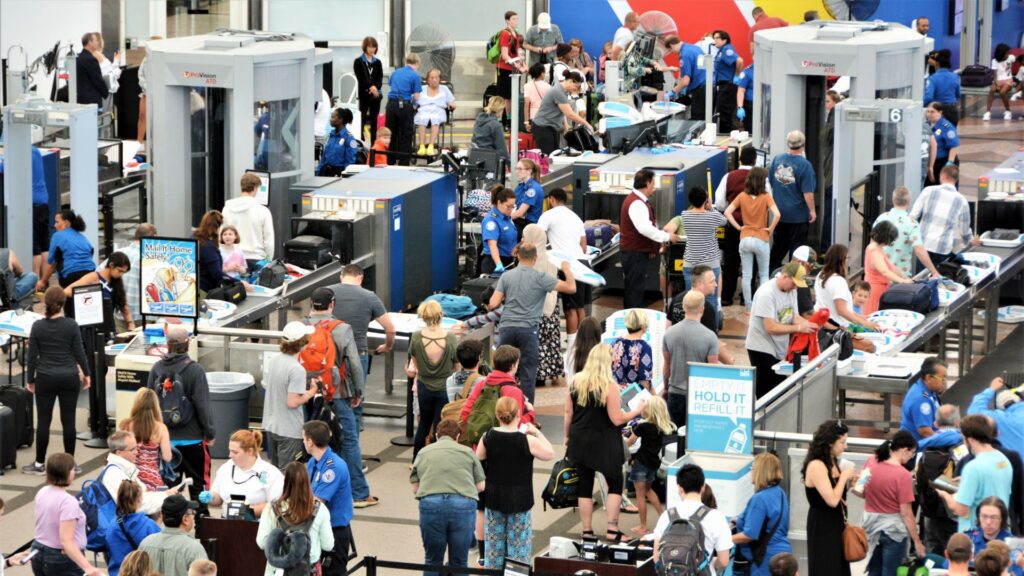
The FDIC recommends carrying only enough cash for tips, local transit and small purchases, since lost cash cannot be replaced. Pickpockets and thieves specifically target crowded tourist areas, airports and hotels, according to the agency. This kind of theft often happens near ticket counters, security lines, baggage claim areas and restrooms, where tired, hurried or distracted travelers carrying cash and cards make easy targets.
Back Pockets and Outer Zippers
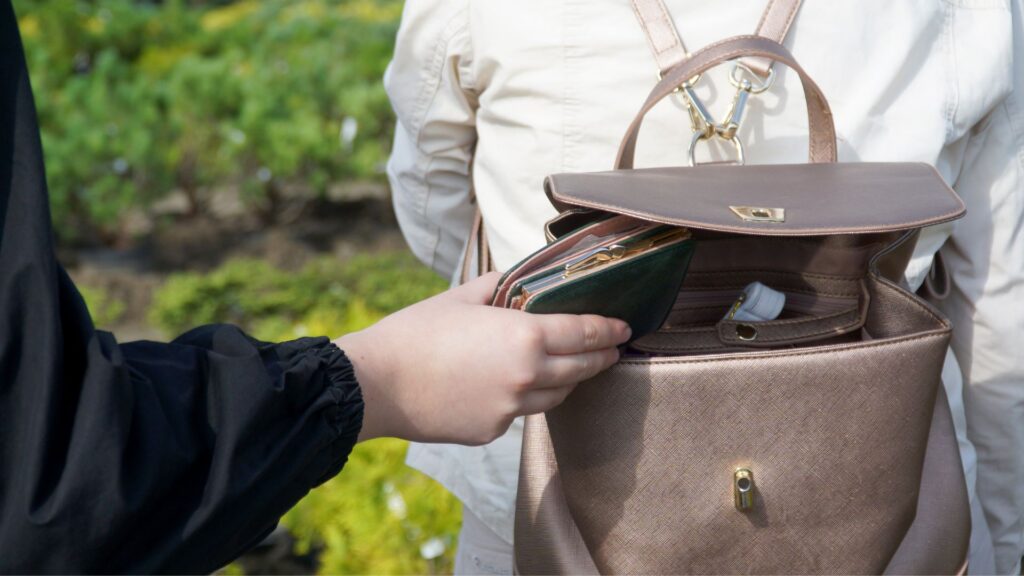
An exterior backpack pocket or an outside compartment on carry-on luggage is easy for a thief to unzip from behind without a traveler noticing, according to Money Digest. Content creators Dan and Alex Spieler make a similar point about back pockets, noting that stashing a wallet or cash there offers little resistance to a skilled pickpocket working a crowded area.
Hotel Rooms Are Not as Private as They Seem

Leaving cash or cards out on hotel counters or tables is a common mistake, Money Digest reports, recommending an in-room safe instead of open surfaces or furniture. The pair add that many travelers hide valuables under the mattress or inside a bedside drawer instead, treating the room like a private sanctuary. Those spots are often the first ones thieves or dishonest hotel staff check.
Checked Luggage
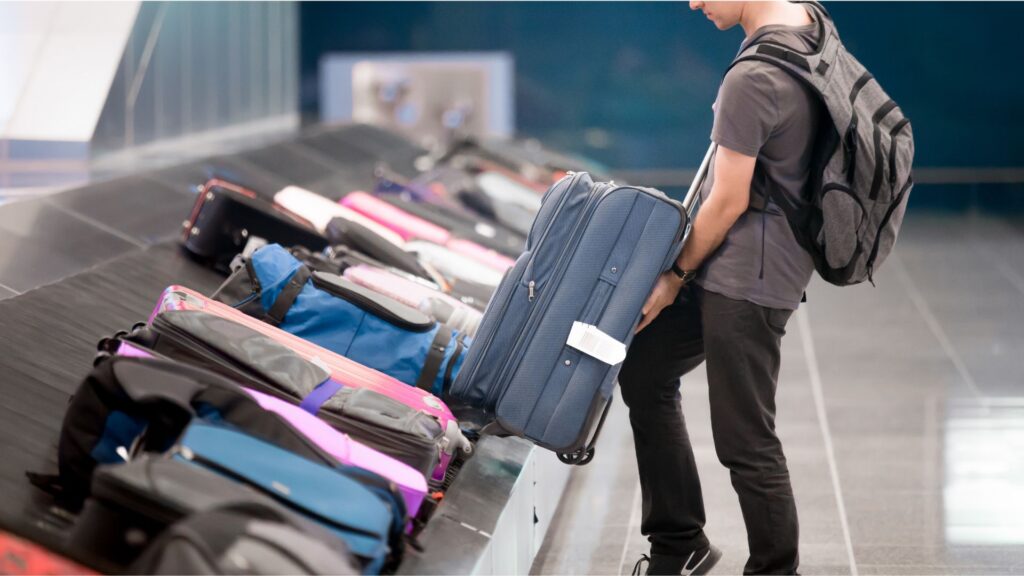
Handing over money or valuables in checked luggage is an obvious mistake, since travelers lose sight of the bag entirely once it disappears down the conveyor belt, Money Digest writes. Keeping cash, cards, and electronics close at all times, rather than packed away out of reach, is simply the safer bet. The FDIC echoes this approach, advising travelers to divide cash across multiple safe locations to limit losses if one bag or pocket is compromised.
Fanny Packs, Front Pouches and Open Pockets

Pockets without zippers leave cash, cards and identification vulnerable to both pickpockets and simple gravity, Money Digest notes, since items can easily slip out unnoticed. A money belt worn discreetly under clothing is a safer bet. Still, the pair caution that an overt fanny pack or bulky front pouch signals to thieves exactly where valuables are kept, making it easy to snatch or cut open.
Shoes, Socks and Hidden Bag Linings
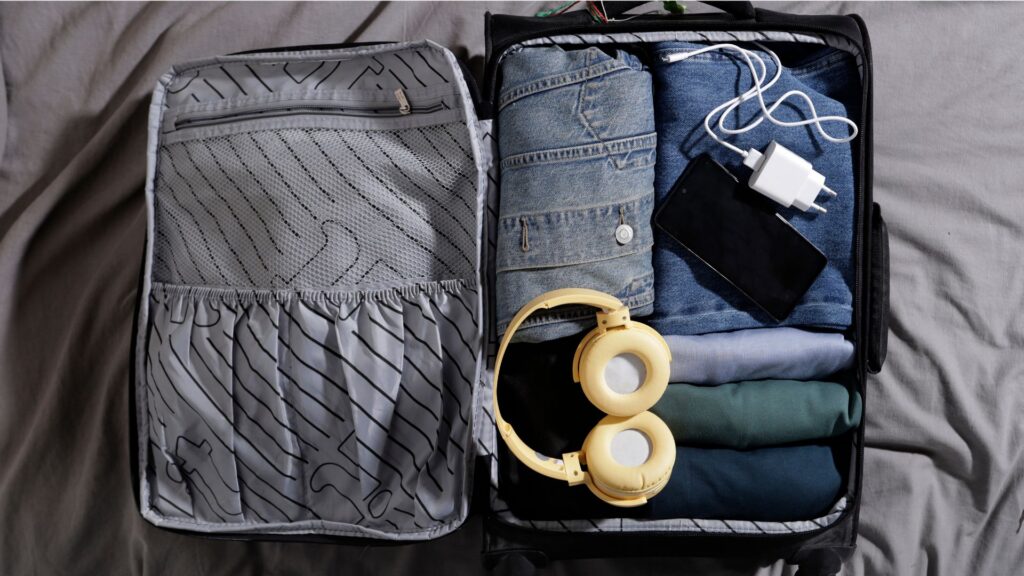
Some travelers tuck cash into shoes, socks or dirty laundry, thinking it is an original hiding spot. The pair say these are surprisingly common choices that thieves in hostels and shared accommodations already expect. They add that the thin zipper pocket hidden inside some bag linings offers little real protection either, since a determined thief with a blade can reach it just as easily as an open compartment.
Safer Ways to Carry Money Abroad
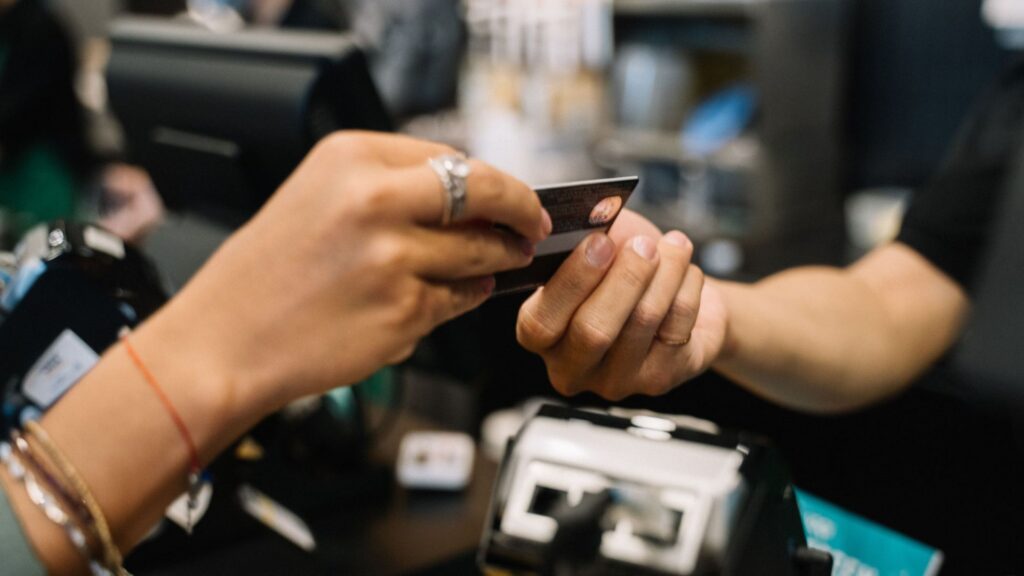
A money belt, neck wallet, or anti-theft bag is a safer bet than an ordinary purse or wallet when carrying significant cash. The FDIC suggests using credit cards for purchases whenever possible, since they are widely accepted and easily replaced if lost. It also favors debit cards over credit cards for ATM withdrawals to avoid steep cash-advance fees. Checking with a bank about foreign transaction fees before departure can also help travelers save money.
Spread It Out and Alert Your Bank
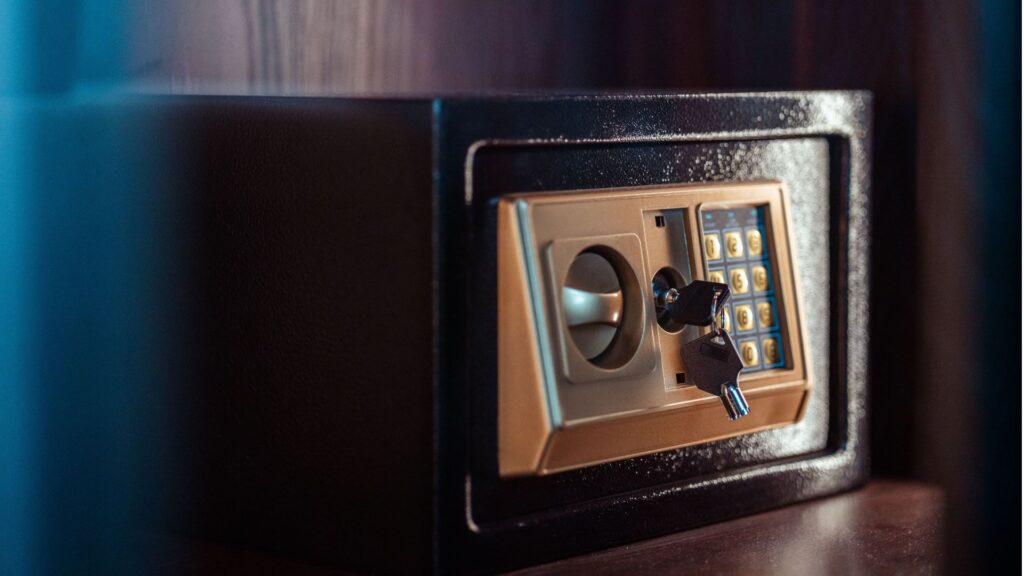
Splitting cash and cards between a wallet and a hotel safe can keep a single theft from wiping out an entire trip’s funds, Money Digest advises. The FDIC recommends calling credit card companies before departure to place a travel alert, so unusual charges are not flagged as fraud. The agency also cautions that hotel safes are not foolproof either, since some can be opened with a master key or override code.
What to Do If You Are Targeted Anyway

If a pickpocket or thief does strike despite these precautions, Money Digest advises reporting the crime to local authorities right away. Any stolen debit or credit card should be reported to the issuing bank immediately. Federal law limits liability for unauthorized charges, according to the FDIC, though cardholders must notify their bank within a set timeframe. Planning ahead for where money is kept remains the best defense against losing everything at once.
