

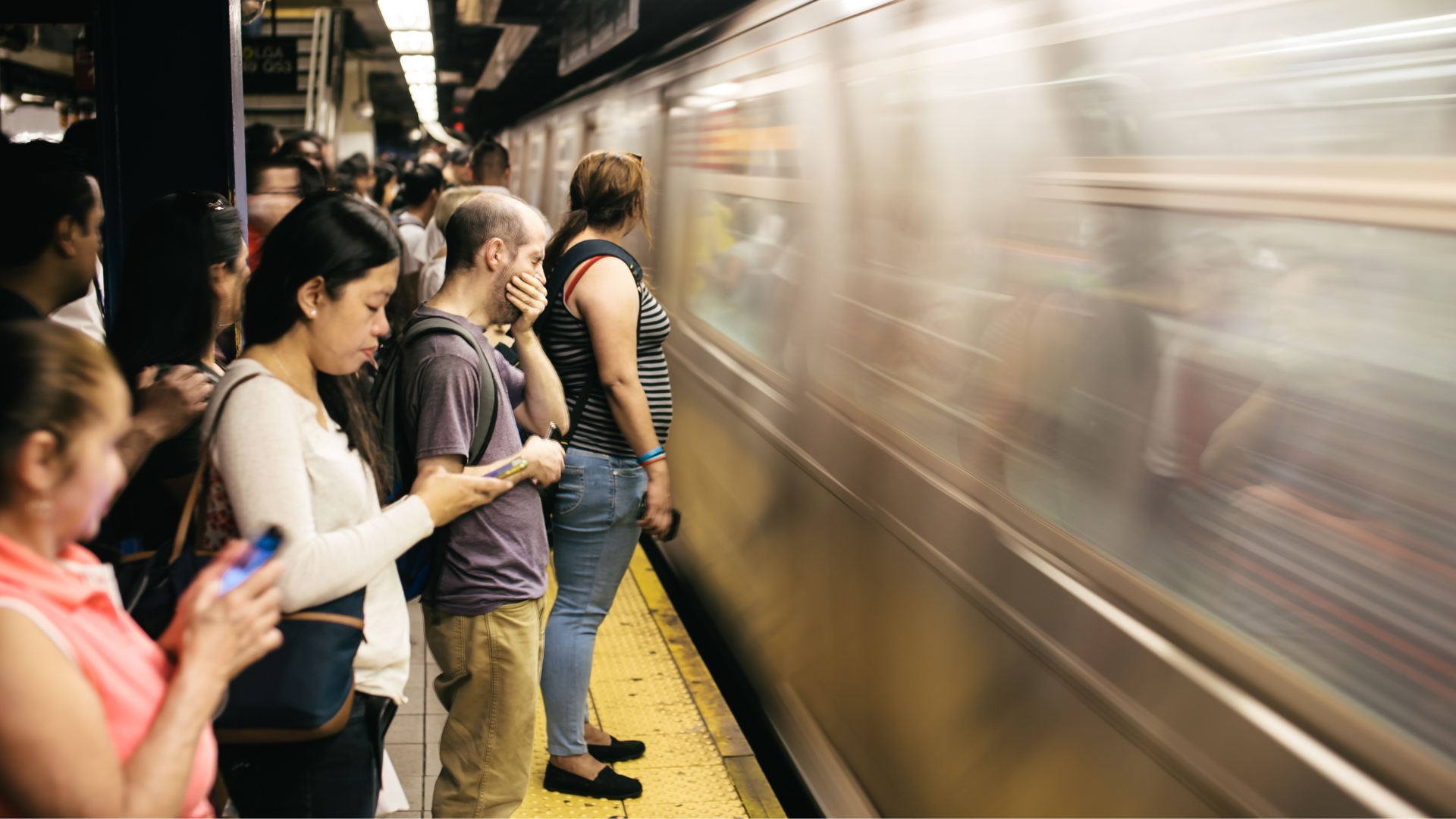
No city in America makes its residents average a full hour just to reach the office. But that’s almost worse news, not better; it means the exhaustion millions of commuters feel is happening in increments most people brush off as normal. Round-trip, several of the cities on this list push past 60 minutes daily, and nationally, roughly 2% of workers already qualify as “extreme” commuters logging 90-plus minutes one-way. Here’s where the daily grind hits hardest.
Modesto Residents Lose Nearly Four Extra Minutes to Traffic
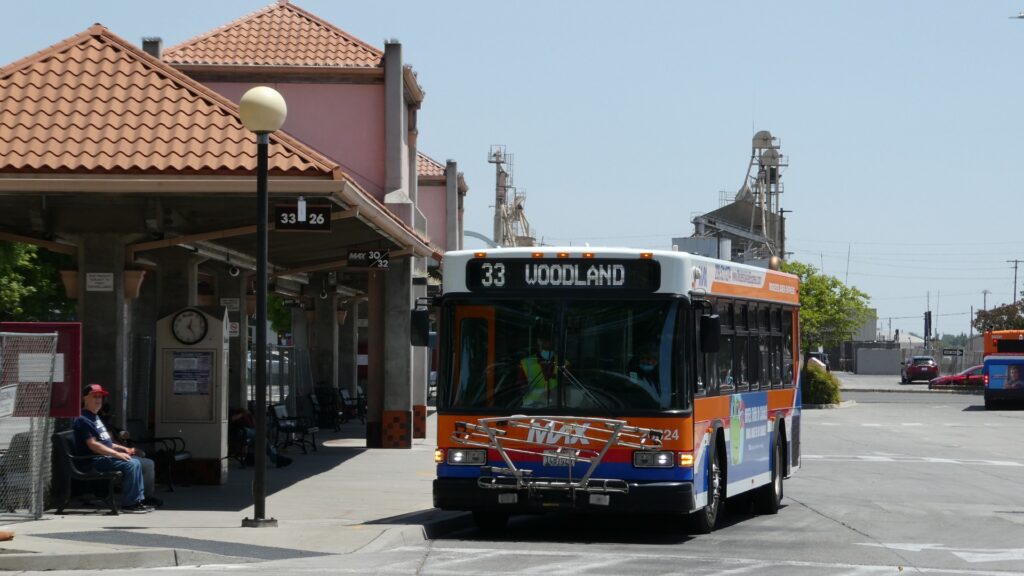
Modesto’s Central Valley setting offers agricultural charm and quiet streets, but its nearly 830,000 residents still average a 31-minute one-way commute, about four minutes above the national norm. StanRTA runs two dozen bus routes through the city, plus connections to the Altamont Commuter Express and BART, yet most residents still choose to drive. The gap between available transit and actual ridership shows up daily in Modesto’s stubborn congestion.
Los Angeles Ties Modesto Despite World-Class Transit
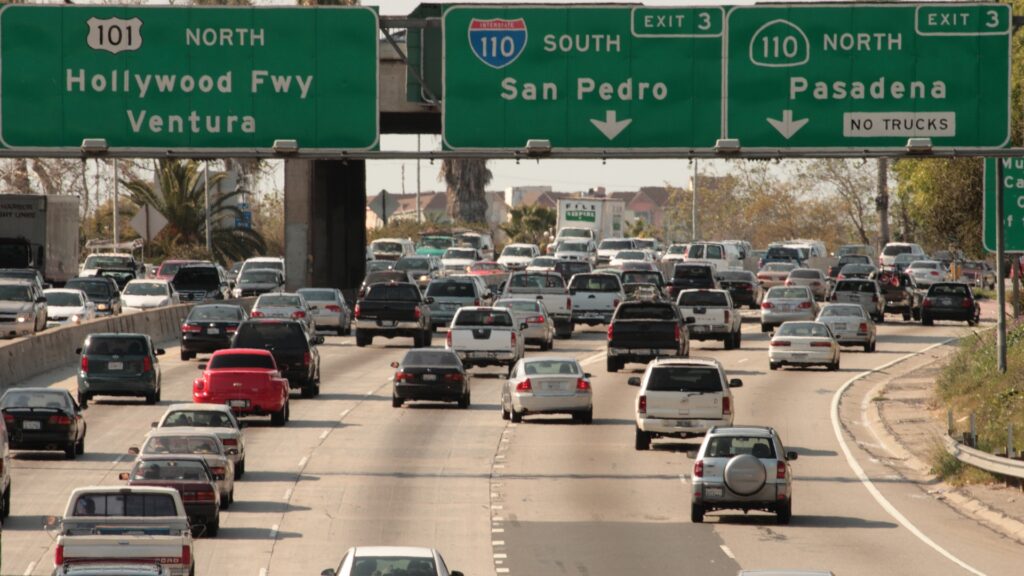
With over 18.6 million people in its metro area, Los Angeles matches Modesto’s 31-minute average commute, a surprising tie given how differently the two cities are built. LA has invested heavily in its Metro rail system and LADOT’s downtown DASH buses, linking major commercial and tourist corridors across the region. Even so, most Angelenos default to driving, feeding the gridlock the city has struggled for decades to untangle.
Boston’s Old Streets Push Commuters Onto the T
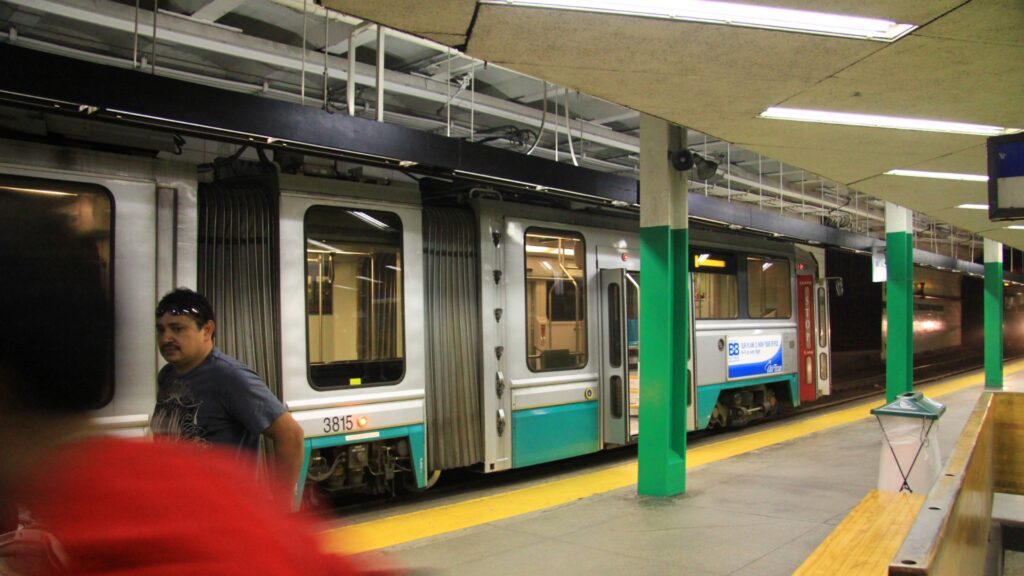
Boston’s roughly 4.9 million metro residents average a 31.1-minute commute, a number shaped heavily by the city’s tangled, non-grid street layout inherited from its colonial-era design. Rather than fight the confusion behind the wheel, many locals walk, bike, or ride the MBTA, affectionately known as “the T.” Its Commuter Rail alone covers 137 stops, connecting Boston to communities across eastern Massachusetts and into Rhode Island.
Chicago’s 9.6 Million Residents Battle Parking as Much as Traffic
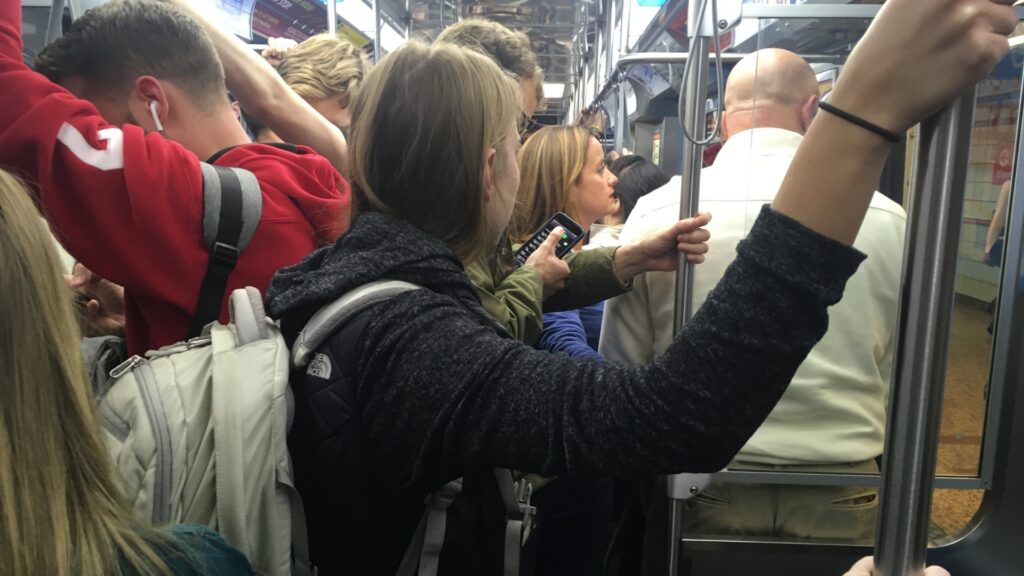
Chicago’s metro population of 9.6 million faces a 31.3-minute average commute, driven as much by scarce parking as by congested streets. The CTA’s L train network offers riders direct access to major hubs across the city, while Metra extends that reach into the northern, western, and southern suburbs. A citywide bike lane network and Divvy rental stations give commuters yet another way to skip the standstill traffic.
Atlanta’s Freeway Maze Adds Nearly Two Minutes Over Chicago
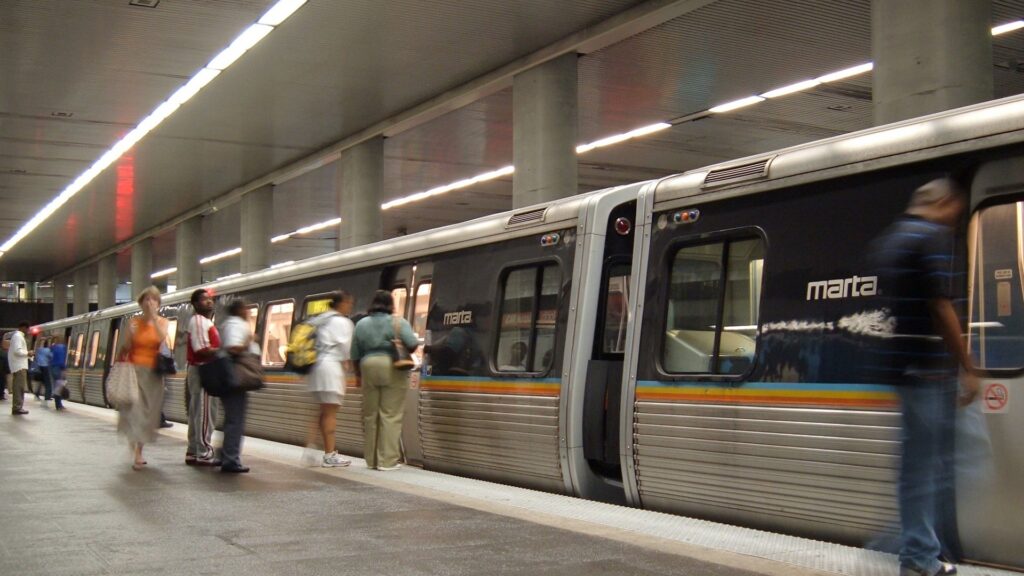
Atlanta’s 6 million metro residents average a 31.8-minute commute, the result of a freeway system commuters describe as a genuine maze during rush hour. MARTA’s rail and bus network exists as an alternative, and the Atlanta Streetcar connects downtown to the historic Sweet Auburn district as an eco-friendly option. Despite these investments, highway delays remain a daily constant for much of the metro area’s workforce.
Vallejo and Fairfield Break the 33-Minute Mark
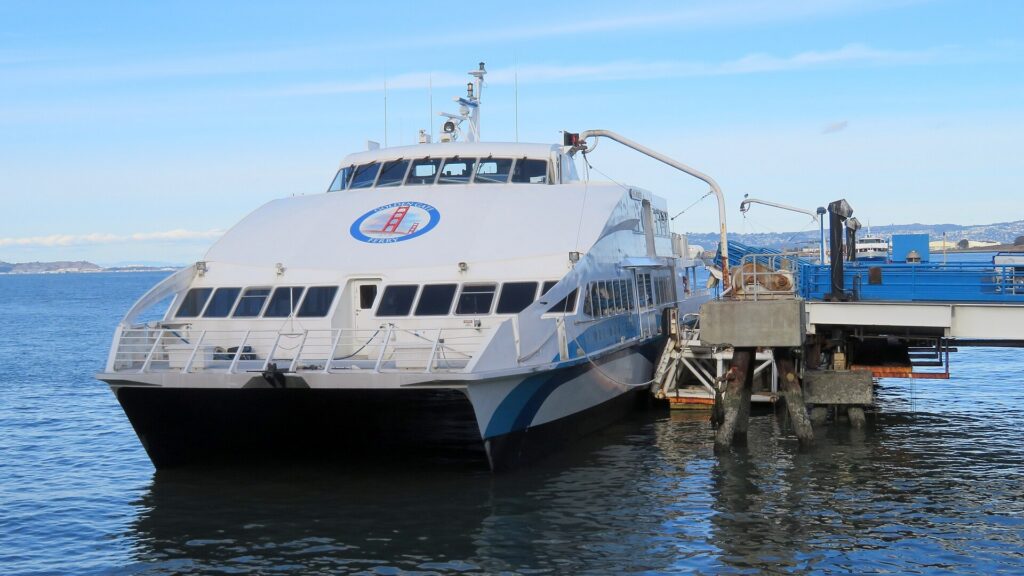
Positioned between Sacramento and San Francisco, Vallejo and Fairfield’s combined metro population of over 451,000 faces a 33.2-minute average commute, noticeably above the national figure. A scenic ferry system links residents directly to Bay Area cities, and the SolTrans bus network fills in local gaps. Even with those options, the region’s proximity to two major metros keeps daily travel times stubbornly elevated for its suburban commuters.
San Francisco’s Happiness Ranks 7th, Its Commute Doesn’t Match
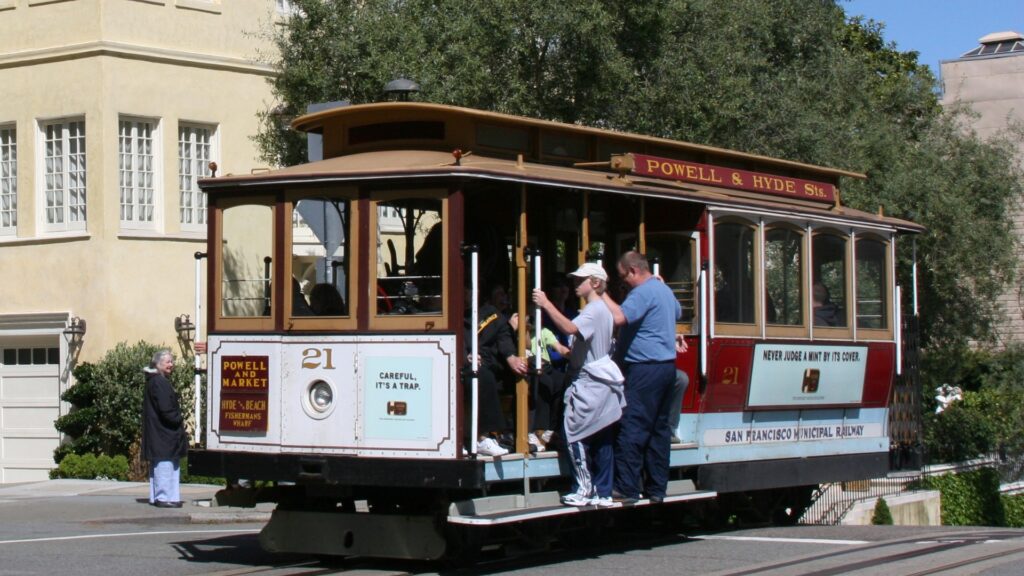
San Francisco lands an enviable 7th in happiness rankings, but its 33.4-minute average commute tells a rougher daily story for its 4.7 million metro residents. Most still rely on personal vehicles despite a dense web of Muni buses, streetcars, and cable cars. BART, Bay Wheels bike share, and a Bay Area ferry network all help, but the city’s hills and geography keep travel times stretched regardless.
Washington, D.C. Crosses 34 Minutes Despite Strong Transit
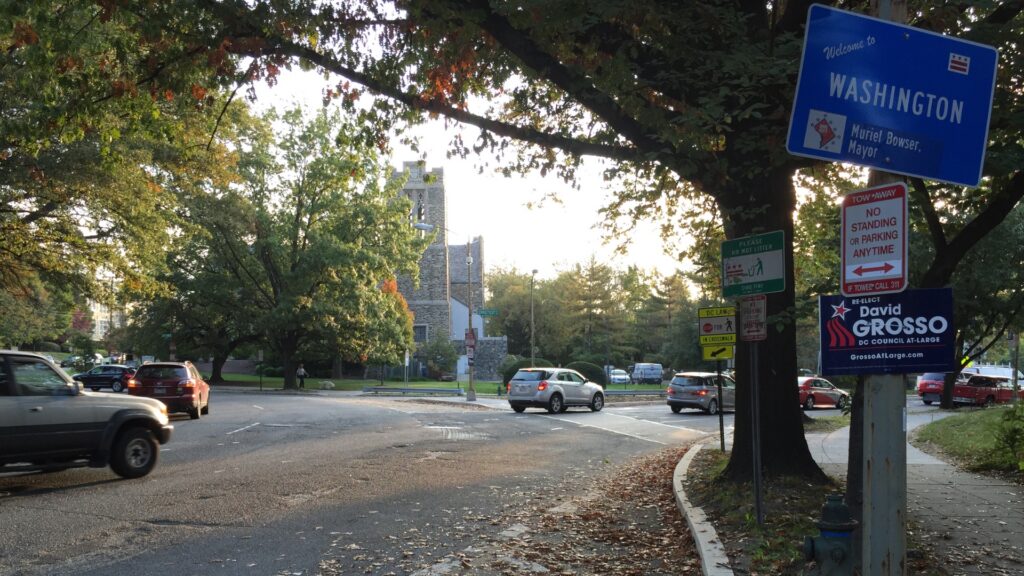
The nation’s capital, home to 6.3 million metro residents, averages a 34.3-minute commute even with WMATA’s extensive Metro system in place. A large share of residents still opt for personal vehicles over rail and bus service, a preference that keeps daily travel times elevated across the region. Capital Bikeshare offers a greener alternative for shorter trips, but it hasn’t meaningfully dented the broader commuting numbers.
Stockton Commuters Fight I-5 and Highway 99 Daily
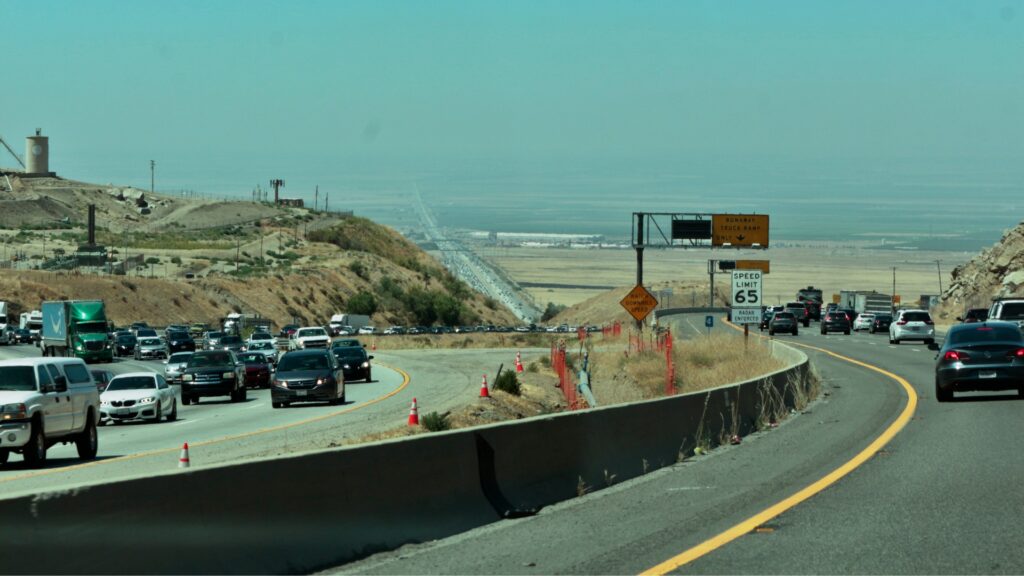
Stockton’s 771,406 residents average a 35.2-minute commute, among the longest one-way times in California’s Central Valley. Rush hour routinely clogs Interstate 5 and Highway 99, the two corridors most commuters rely on to reach jobs outside the immediate area. The San Joaquin Regional Transit District runs local bus routes and links to BART, extending access toward San Francisco, but most residents still choose to drive.
New York City Tops the List at 36.4 Minutes
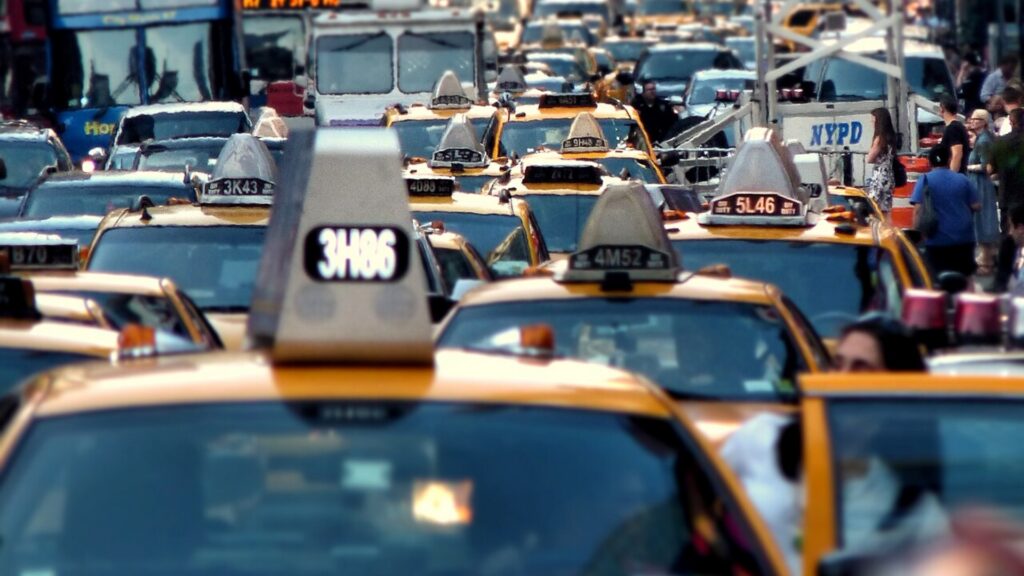
New York City’s more than 20.9 million metro residents post the longest one-way commute on this list at 36.4 minutes, meaning many riders spend well over an hour round-trip just getting to and from work. The MTA’s subway, bus, and ferry network ties together all five boroughs and neighboring states, and most residents rely on it rather than driving. Even with that infrastructure, NYC’s sheer scale keeps travel times at the top of the national list.
