

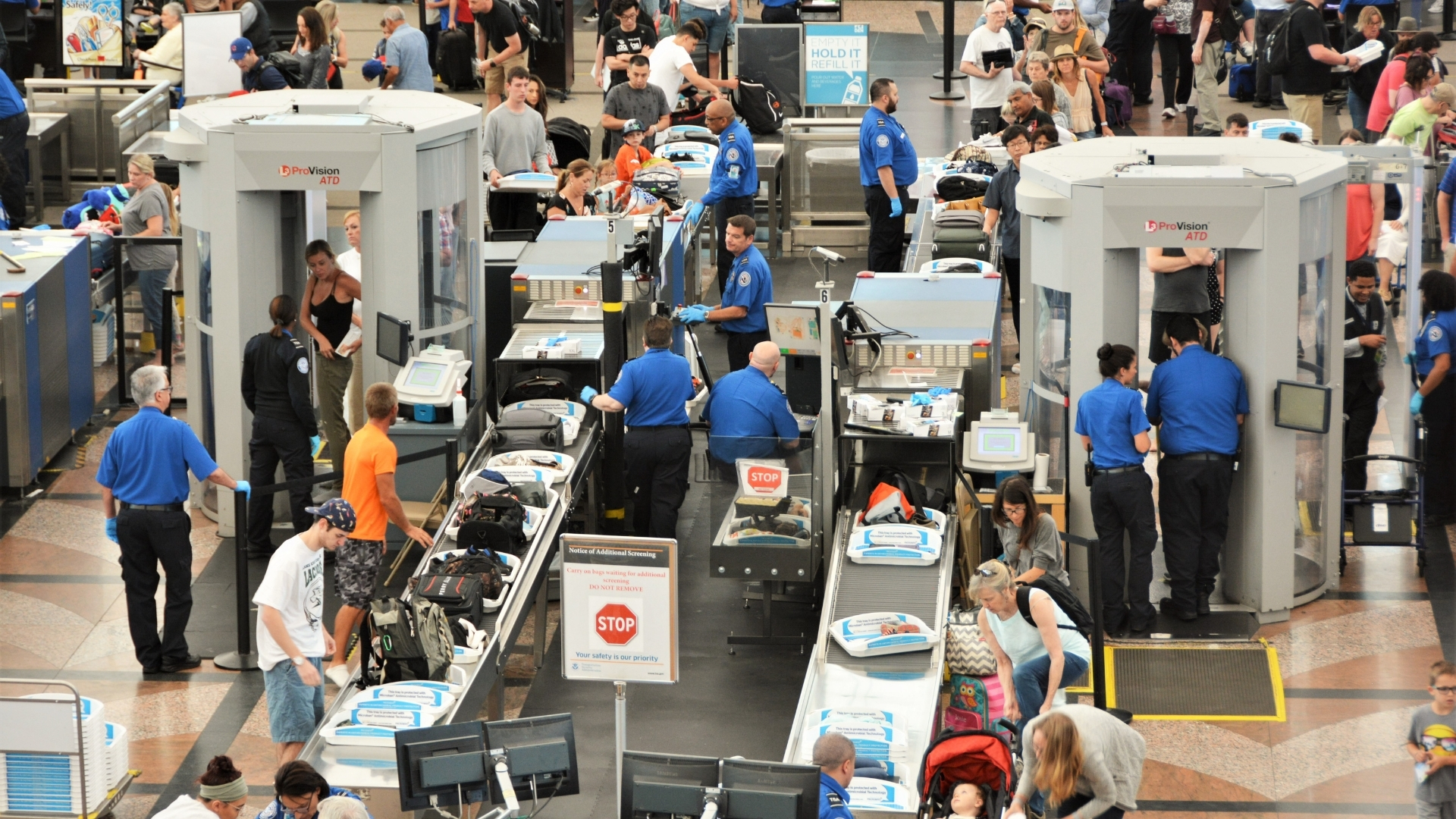
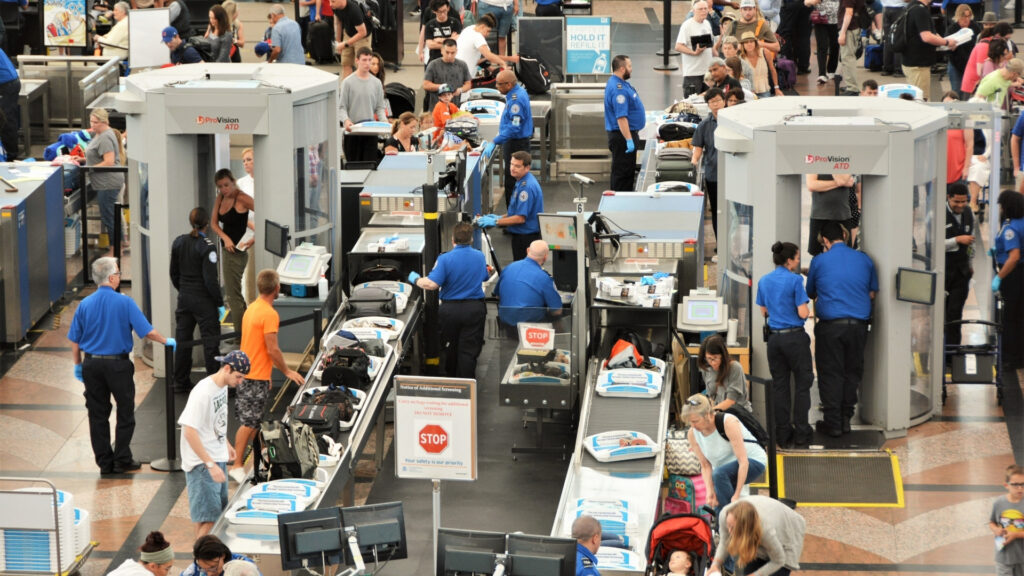
Losing your temper at airport security used to mean an awkward pat-down and a dirty look. Not anymore. TSA has drawn a hard line: harass, threaten, or physically confront an officer, and you’re not walking away with a warning. You’re facing fines, arrest, or getting pulled from the terminal entirely, and the agency says it means every word.
TSA’s Own Words: “Will Not Be Tolerated”
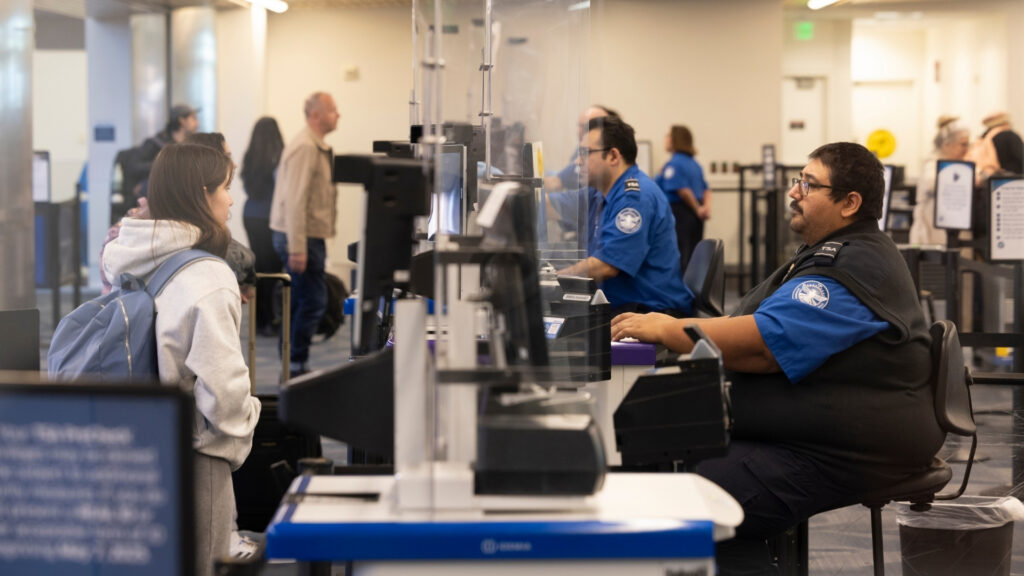
The warning is direct. Officers work hard to keep the skies safe, the TSA said in a statement, and it made clear that harassment, threats, and physical aggression toward its staff “will not be tolerated.” Consequences range from fines to arrest to removal from the airport. It isn’t a brand-new policy, either. TSA first posted the warning in June 2025 and has repeated it through 2026 as travel volumes climb to record highs.
2026 Is Shaping Up to Be TSA’s Busiest Year Ever
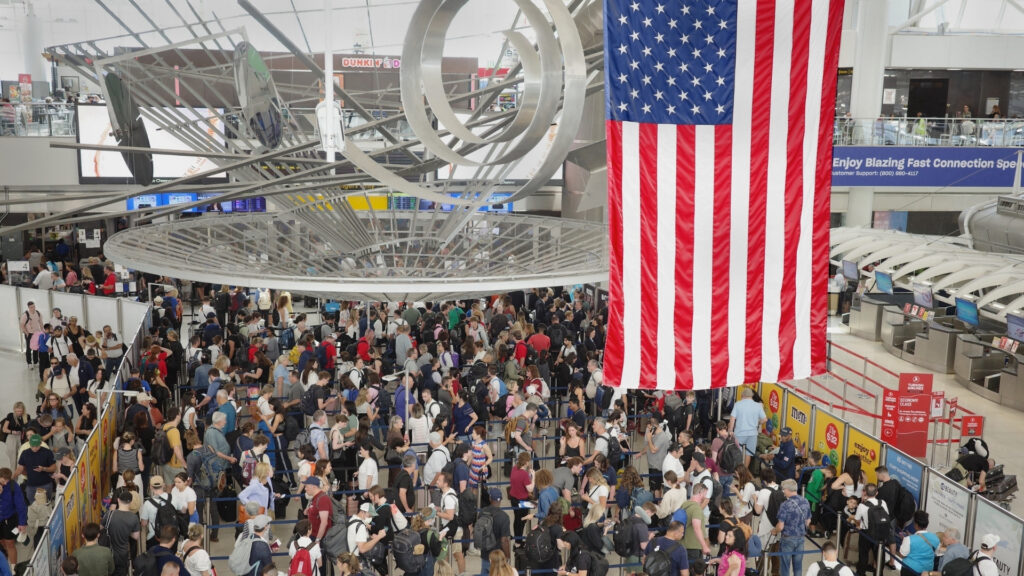
The timing isn’t random. TSA is in the middle of record-breaking travel volumes this year, projecting more than 18.7 million passengers over a single nine-day stretch around the Fourth of July alone. Single-day totals have topped 3 million travelers, numbers the agency has never handled before. More people moving through checkpoints means longer lines, shorter tempers, and more chances for a bad moment to turn into a real problem.
TSA Isn’t Bluffing About the Consequences
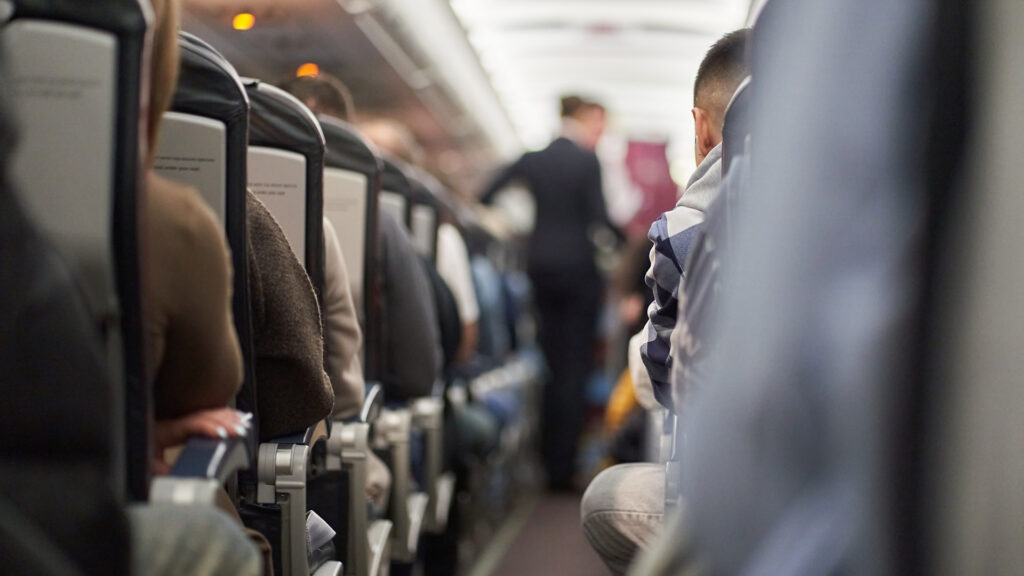
Recent cases show the agency follows through. A passenger who assaulted flight attendants and made violent threats on a Frontier flight was fined $30,000 by federal officials. More recently, an American Airlines passenger became aggressive mid-flight and had to be physically restrained before landing. Those incidents happened in the air, but TSA’s message is that the same zero-tolerance approach now extends to the checkpoint, before anyone even boards.
The Numbers Behind the Crackdown
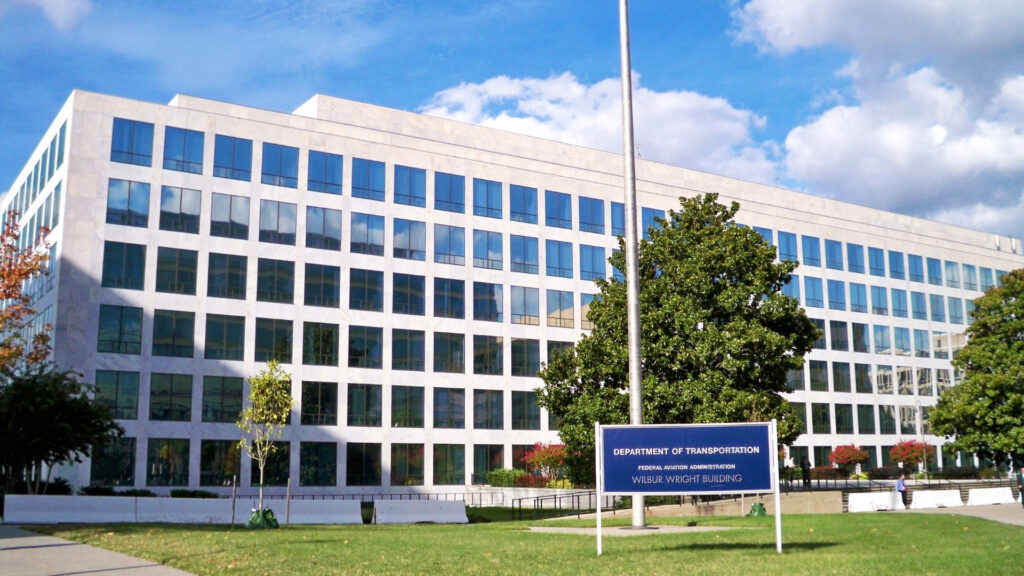
TSA’s warning echoes a broader pattern in the skies. The FAA logged nearly 6,000 unruly passenger reports in 2021, the worst year on record, driven largely by disputes over pandemic-era mask rules. That rate has since dropped more than 80 percent. But incidents haven’t disappeared, and officials say even a single flare-up at a checkpoint, on the ground, before anyone’s in the air, can spiral fast.
What Actually Counts as Crossing the Line
TSA doesn’t need a shove or a punch to act. Verbal threats, screaming at an officer, or aggressive physical posturing can all qualify as harassment under the agency’s policy. Penalties scale with the behavior: civil fines for lesser incidents, removal from the airport for escalating disputes, and criminal charges, sometimes involving the FBI, for anything that crosses into assault. None of it requires the situation to end in violence to trigger a real consequence.
Why Tempers Flare in the First Place
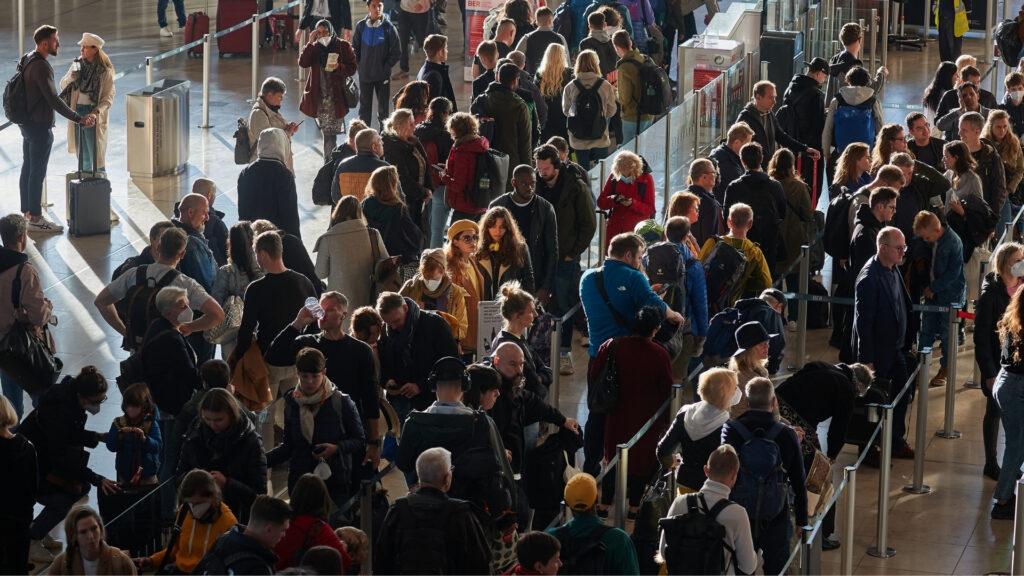
Long lines, missed connections, and confusion over what’s allowed in a carry-on are the usual triggers. Add record crowds and short-staffed checkpoints during peak weeks, and small frustrations compound fast. TSA officers, meanwhile, are following strict federal procedures they can’t bend on the spot, no matter how reasonable a traveler’s complaint sounds in the moment. That mismatch is where most confrontations start.
The Easiest Fix Starts Before You Leave the House
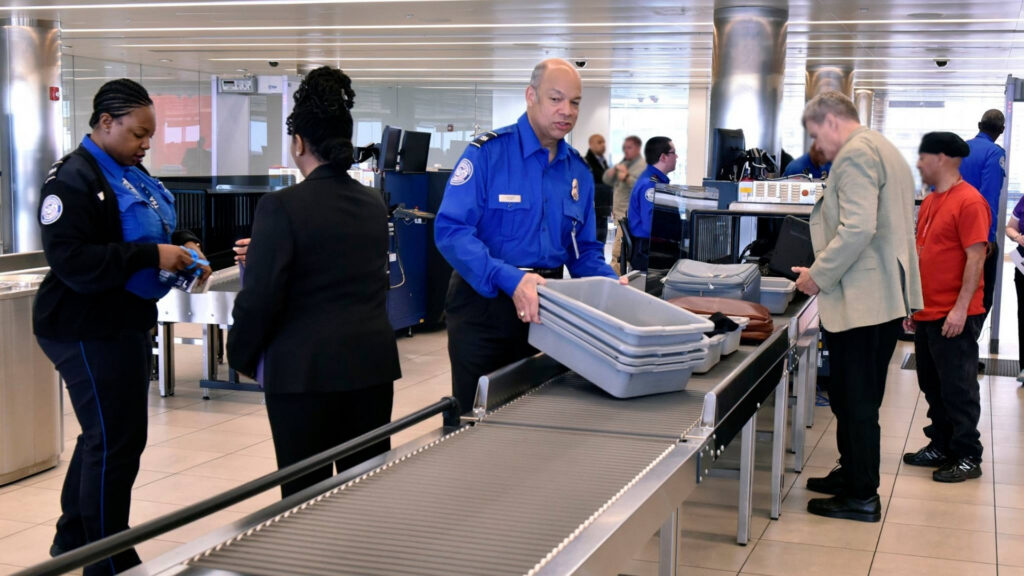
TSA recommends arriving at least two hours early for domestic flights and three hours for international ones, padding that absorbs exactly the kind of delays that trigger frustration. Checking the agency’s “what can I bring” list ahead of time avoids the surprise of a confiscated item turning into an argument at the bin. Most checkpoint blowups aren’t really about the officer standing there. They’re about a traveler who left no room for error.
The Shortcut Most Frustrated Travelers Aren’t Using
TSA PreCheck exists specifically to cut down on the friction that fuels checkpoint confrontations. Eligible travelers skip the standard line, keep shoes and jackets on, and leave laptops and liquids packed, shaving real time off the wait. It won’t erase every delay, especially during record-setting travel weeks, but it removes several of the smaller irritations that tend to snowball into the kind of behavior TSA says it won’t tolerate.
The Line TSA Won’t Move On
TSA’s message isn’t complicated: officers are doing their jobs, and travelers who cross into harassment or aggression will face real consequences, not just a warning. With 2026 shaping up as the busiest travel year on record, the agency has little patience left for checkpoint blowups. Arrive early, know the rules, and treat the person scanning your bag like a person. That’s the whole ask.
