

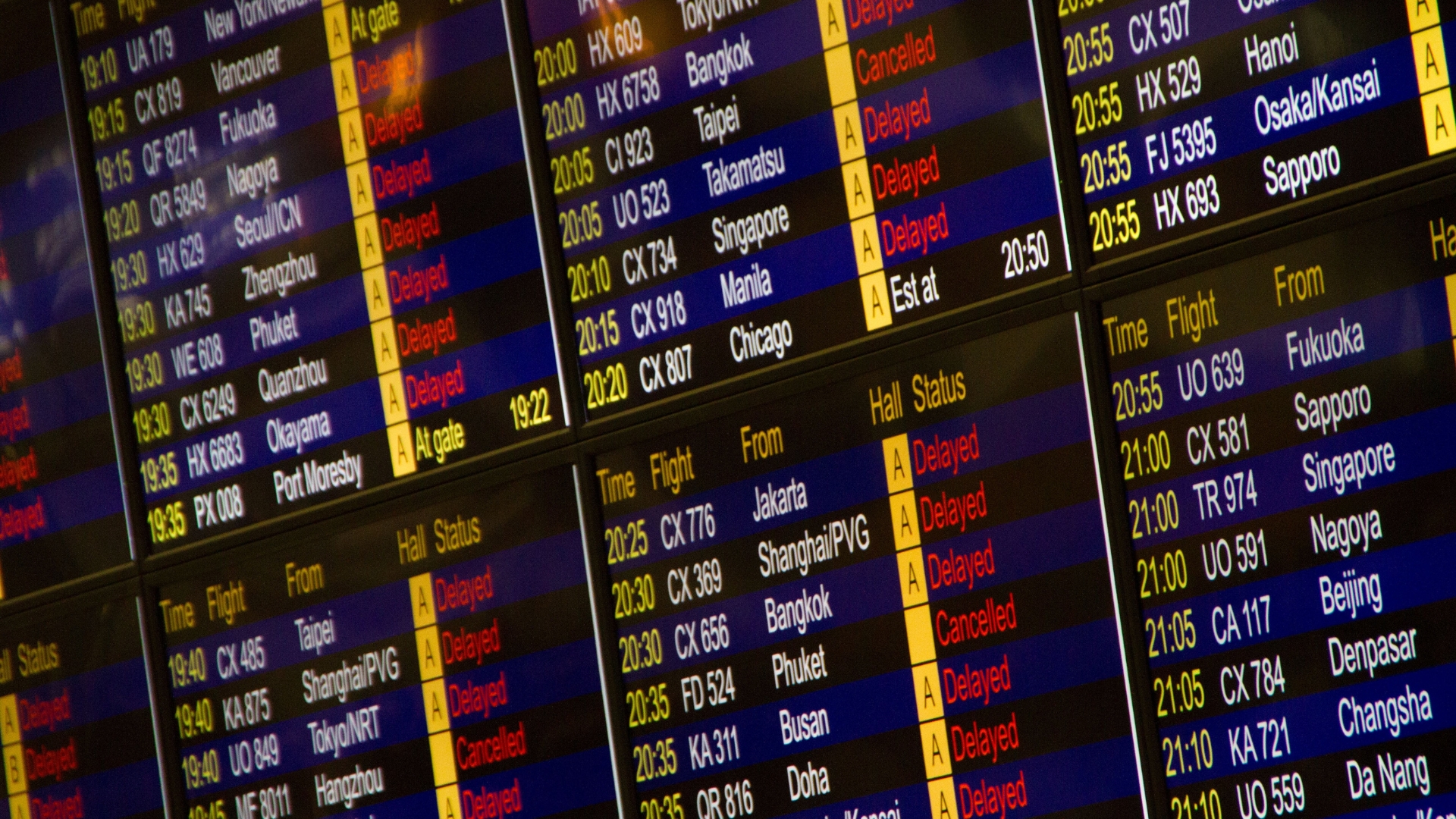
More than 1,300 domestic flights sat delayed and over 100 got scrapped entirely on a single Monday morning this week, and aviation officials say it’s only going to happen more often. Low cloud cover, poor visibility and severe weather have collided with an airline industry that’s already running tighter schedules than usual, leaving almost no cushion when storms roll through the country’s busiest corridors.
The Federal Aviation Administration flagged severe weather across a cluster of eastern hubs, Boston, New York, Philadelphia, Washington D.C., Charlotte and Orlando, as the trigger for the widespread disruptions. Those airports handle a huge share of connecting traffic nationwide, so a slowdown at any one of them tends to ripple outward fast, stranding passengers who were never anywhere near the original storm.
JFK took the hardest hit of any single airport, logging 117 delays and 25 cancellations, according to flight-tracking site FlightAware. JetBlue absorbed the worst of it among carriers, with close to 100 delayed flights and 25 cancellations in that same stretch. It wasn’t a one-off either: earlier in the month, a comparable weather wave pushed delays across 45% of JetBlue’s entire schedule.
Airlines Trimmed Seats Months Before the Storms Ever Hit
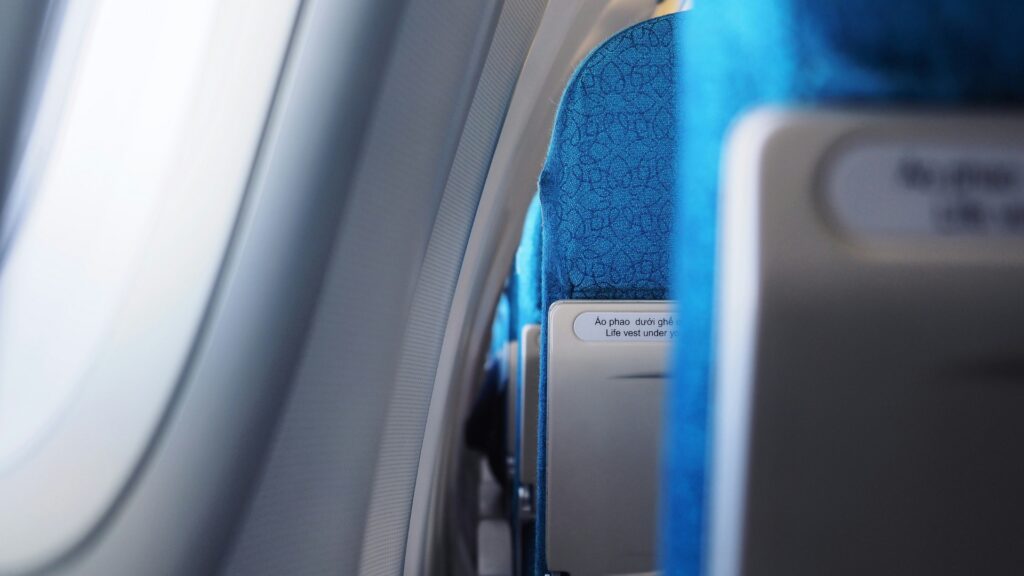
Behind the scenes, the bigger problem isn’t the weather itself, it’s that airlines have far less room to absorb it. Airline analyst and former airline executive Robert W. Mann Jr. told The Washington Post that carriers began paring back available seat capacity as far back as April, largely to offset rising fuel costs. That means fewer empty seats exist anywhere in the system when a storm forces passengers off their original flights.
“The accommodation problem is a very real problem, and you run out of options very quickly,” Mann said. In practice, that leaves airlines rebooking stranded travelers onto flights that are already close to full, sometimes days out, instead of the next available departure. A cancellation during a light travel period is an inconvenience. During peak season, with capacity already trimmed, it can strand people for days.
The capacity squeeze isn’t limited to a handful of carriers. United Airlines began cutting roughly 5% of its 2026 schedule earlier this year, and Delta and American each trimmed seats by a similar margin, moves largely tied to jet fuel prices that have climbed sharply since a Middle East conflict disrupted oil markets in the spring. Fewer scheduled flights across the board means less slack industrywide, not just at the airports making headlines this week.
Travel Advisers Say the Warning Signs Show Up Early
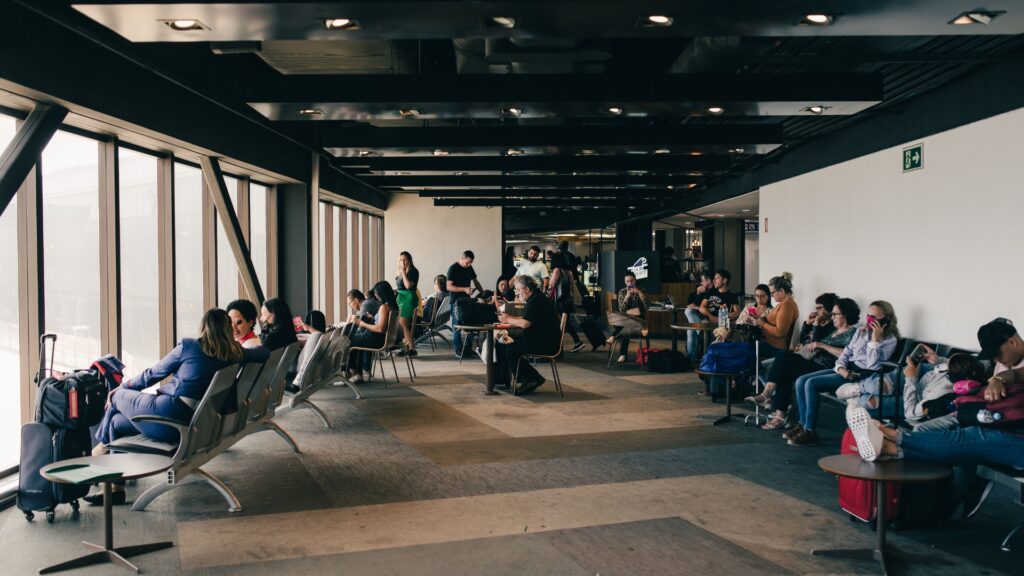
Peter Vlitas, executive vice president of partner relations at Internova Travel Group, said the airlines themselves often tip their hand before cancellations even start. “They’re really good at telling you that the weather tomorrow is going to stink, so can you leave today,” Vlitas told The Washington Post. “If you can, you should.” Taking an airline up on an early rebooking offer, he said, is usually the safest move available.
When a cancellation does happen without warning, Vlitas said travelers may need to get creative rather than wait for the same route to reopen. That can mean booking into a nearby city and finishing the trip by car or train instead of holding out for a direct flight. “Sometimes you have to help the person on the other end try to put a connection together,” he said, describing how his agency handles stranded clients in real time.
The pressure isn’t expected to ease soon. Industry group IATA has projected global fuel expenses could climb nearly 40% this year, and analysts tracking the airlines say that kind of cost spike makes carriers far less willing to run partially empty flights just to preserve a full schedule. That points toward a fall and winter travel season with less breathing room, not more, if fuel prices hold near current levels.
What Travelers Can Actually Do Before the Next Storm Hits
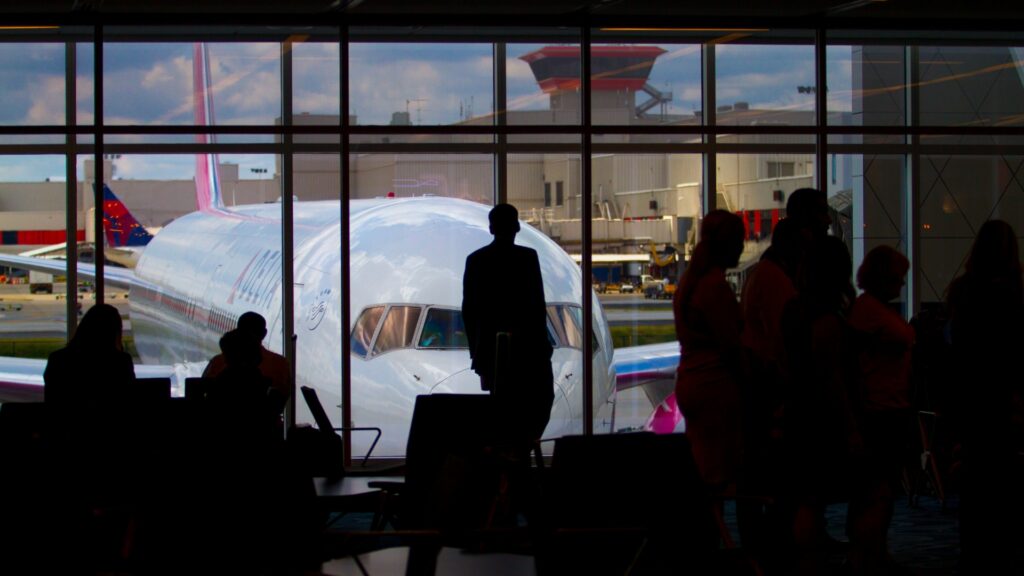
Aviation officials and travel advisers point to a few concrete steps that make the biggest difference. Keep a carrier’s app open with push notifications turned on for gate changes and delays, since those alerts often arrive before an official cancellation does. The moment a flight gets canceled, rebook immediately rather than waiting on hold, and build in extra time on any layover running through a major hub.
It’s also worth packing differently when storms are in the forecast. Advisers recommend keeping essential items and any medications in a carry-on rather than checked luggage, specifically to prepare for an unplanned overnight stay. A canceled connection at 9 p.m. rarely comes with enough notice to retrieve checked bags before the next available hotel shuttle leaves.
None of this fixes the underlying math. Airlines cut capacity to manage fuel costs, and thinner schedules leave less room to absorb bad weather, which means the current wave of delays is a symptom of a decision made months ago, not just a rough week at a few airports. Until fuel prices ease or airlines rebuild the slack they trimmed, travelers flying through major hubs should expect this to be the new normal.
