

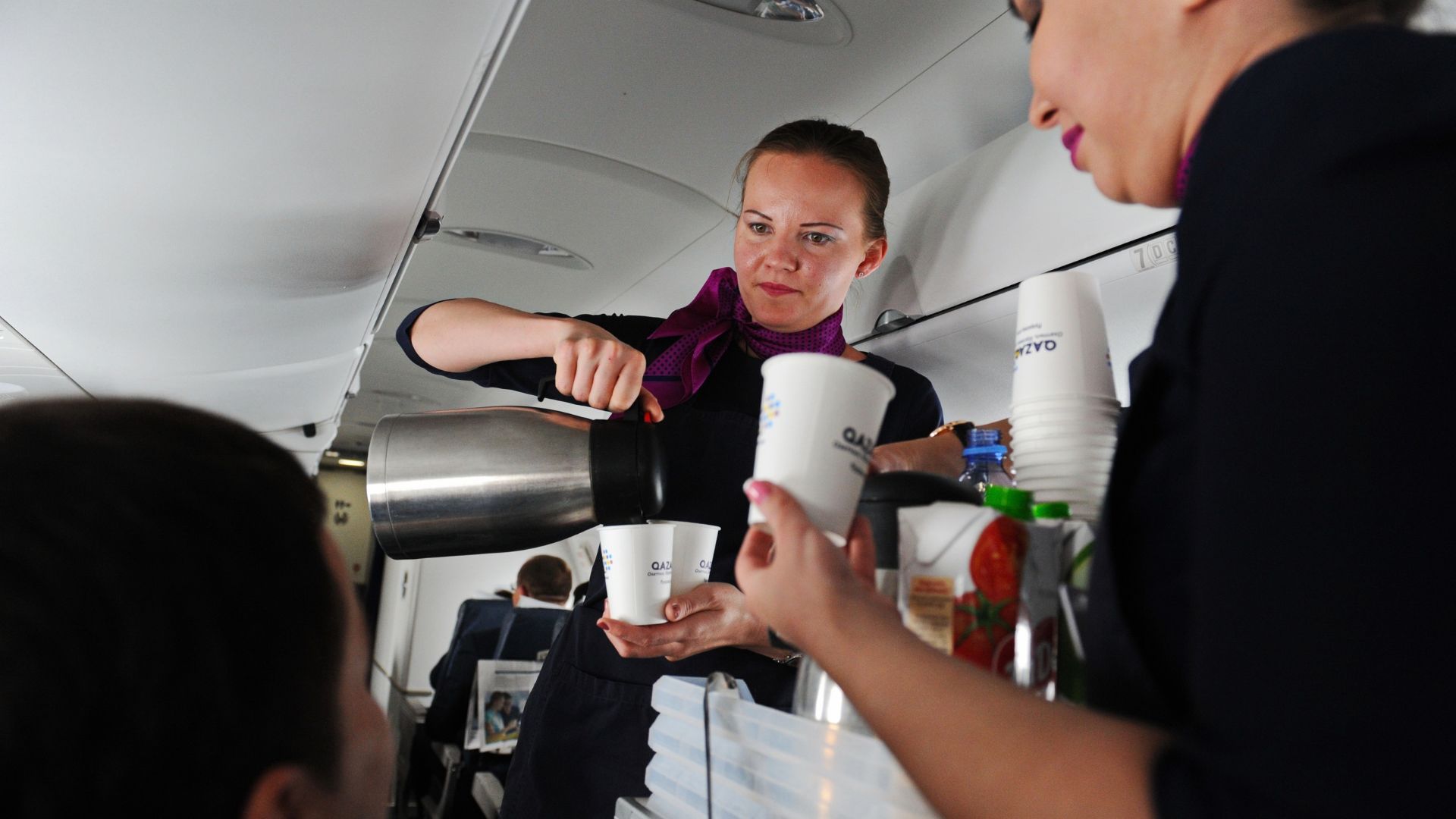
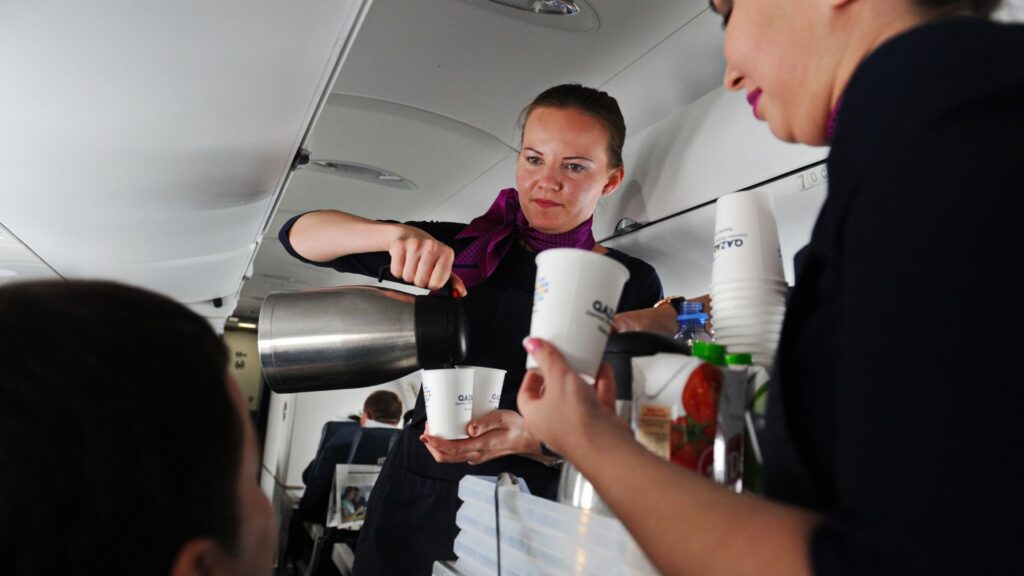
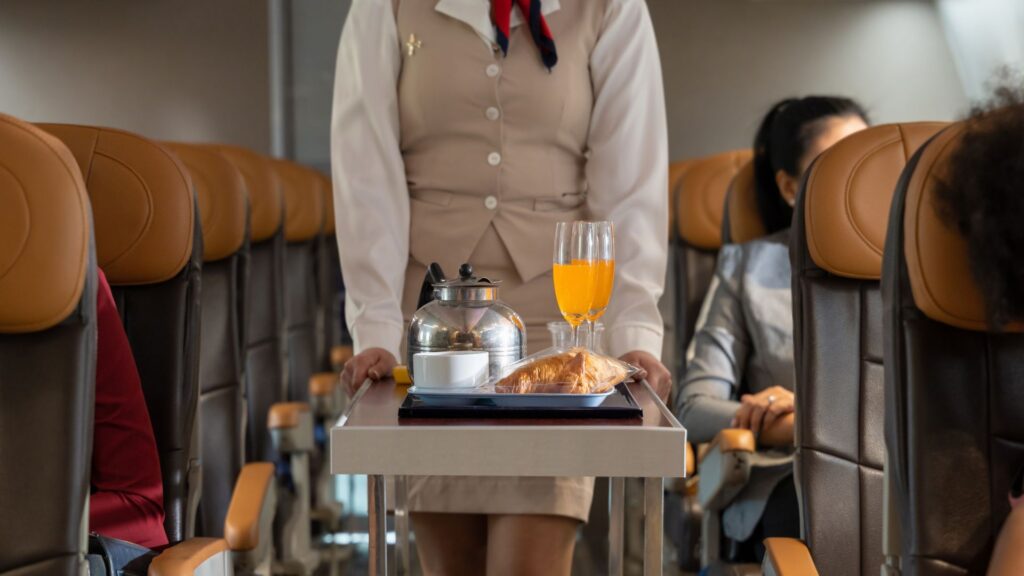
Ask many flight attendants what they drink on the job, and the answer often leaves out the coffee and tea they serve. Southern Living spoke with current and former crew members from major airlines and international carriers, and they gave the same advice: pass on the hot drinks served in the cabin and choose something sealed instead. It starts with where that hot water comes from.
Where the Hot Water Comes From
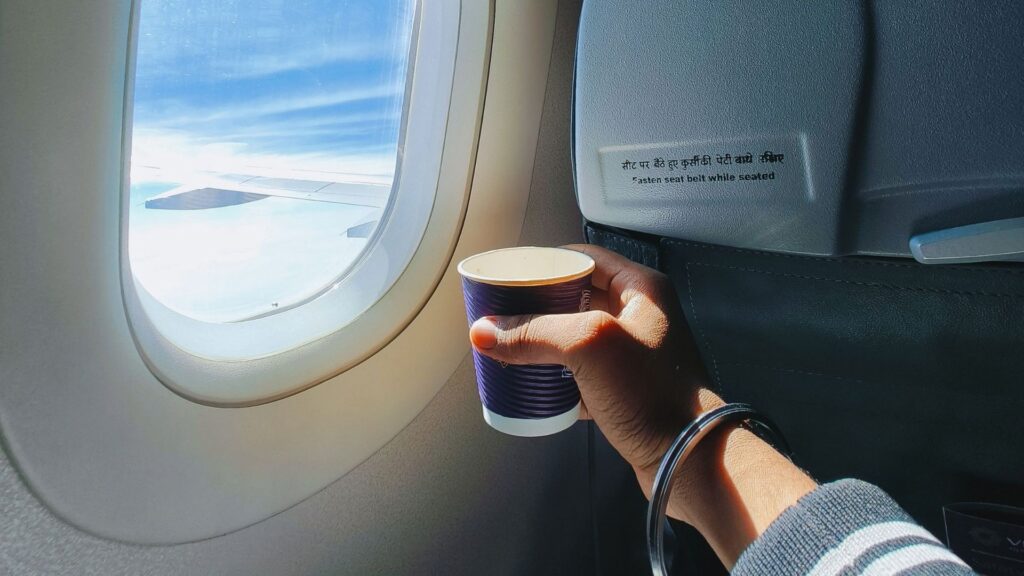
According to Southern Living, the hot water for coffee and tea on a plane comes from onboard tanks. One flight attendant said it often has a chlorine smell. She asked not to be named because she once brewed coffee in the oven using bottled water, which broke protocol. The smell may come from the chemicals that disinfect the tanks, which are rarely cleaned thoroughly, and several others share the worry.
Crew Members Who Have Seen the Tanks
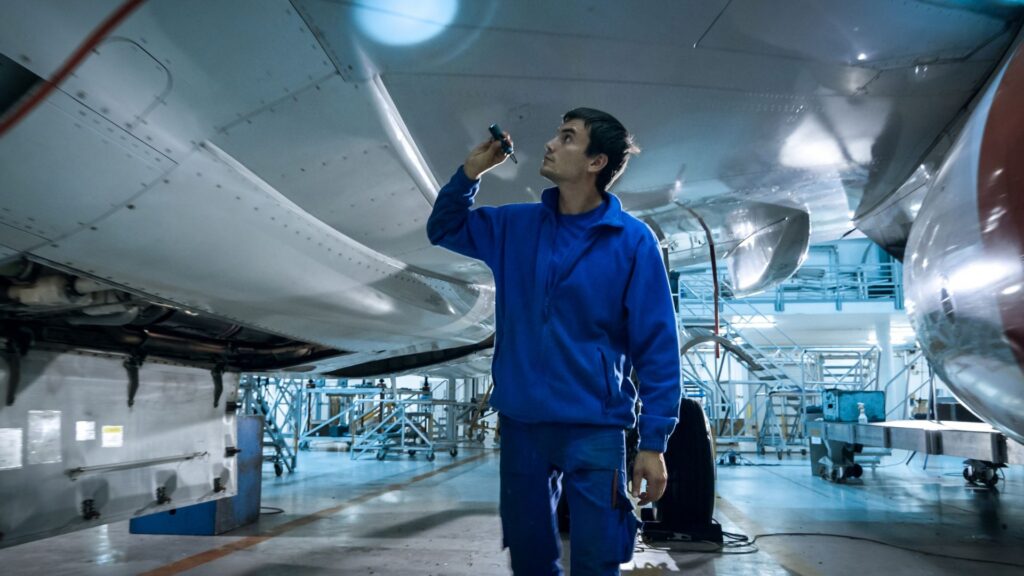
Miriam Lawson, a former flight attendant with seven years at a major U.S. carrier, said she looked inside the tanks during maintenance stops and sticks with bottled water, soda, or alcohol on flights. Kaz Marzo, an operations manager and former flight attendant with over 12 years in aviation, said he saw maintenance crews skip proper tank-cleaning protocols, and that minerals build up in the pipes over time.
A Former Flight Attendant’s TikTok Warning
Kat Kamalani, a former flight attendant who says she spent six years at one of the largest airlines, posted a TikTok video in 2021 advising against any drink not served in a can or bottle. She claimed the water tanks never get cleaned and are disgusting, that the coffee machines usually go uncleaned unless they break, and that the machines sit by the lavatories.
What Government Surveys Found
Multiple Environmental Protection Agency surveys of aircraft water systems found that roughly one in eight airplanes fell short of water safety standards, including coliform bacteria tests, which can signal contamination, according to Southern Living. Former international flight attendant Nathalie Bennett said the tanks are cleaned at intervals rather than after every flight, and that tests have repeatedly detected coliform bacteria. She said she never drank hot beverages made onboard.
Trained to Skip the Tap
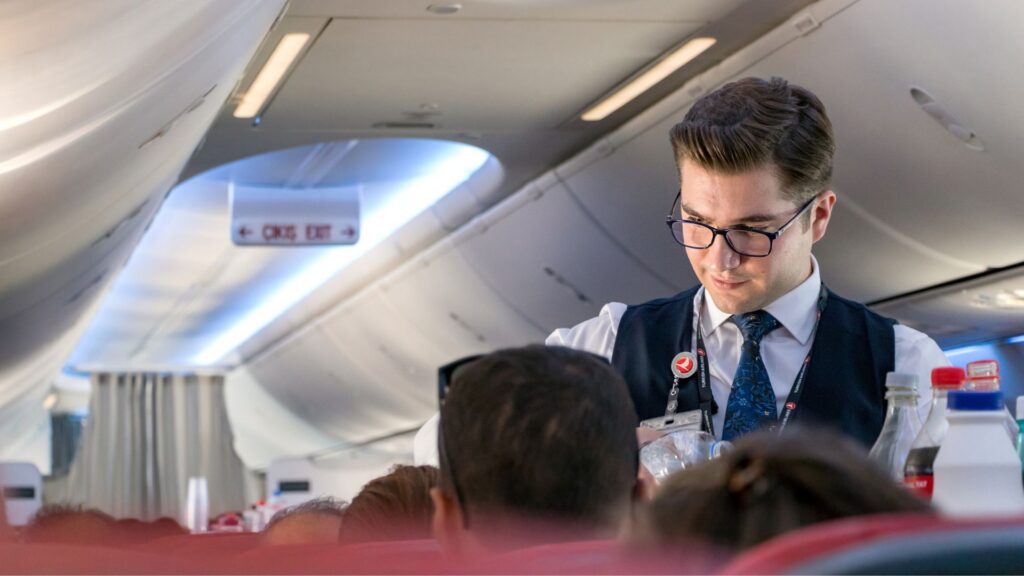
Steve Nixon, who flew for American Airlines for five years, said crew was trained not to drink the plane’s water unless it was boiled or they had no other choice. Many packed their own tea bags and heated bottled water in the galley, Nixon said. Dionne Mitchell, a former Emirates flight attendant, said she learned in training that the tanks are cleaned less often than they should be.
A Three-Year Look at Airline Water
A three-year study published in December 2025, the 2026 Airline Water Study from the Center for Food as Medicine and Longevity, ranked water quality at 10 major and 11 regional airlines. Criteria included violations per aircraft and public notices. Center director Charles Platkin credited Delta Air Lines, Frontier Airlines and Alaska Airlines with the “safest water in the sky,” adding that almost all regional carriers still have work to do.
Not Every Crew Member Avoids It
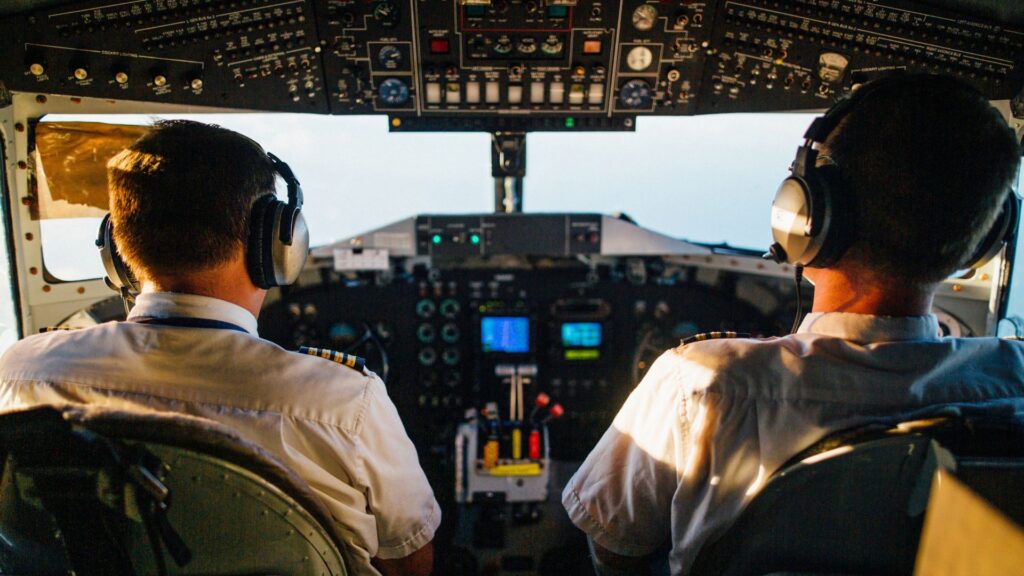
Richard Woulfe, a flight attendant and safety expert, said some flight attendants and pilots regularly drink tea and coffee without stomach problems, though he brings his own beverages to reduce risk. Mary Wallace Walke, a Delta flight attendant for 35 years, said she and her colleagues drank gallons of coffee on international crossings to stay awake, calling it “a necessity,” and has not heard of related problems.
A Mechanic and an Aviation Expert Weigh In
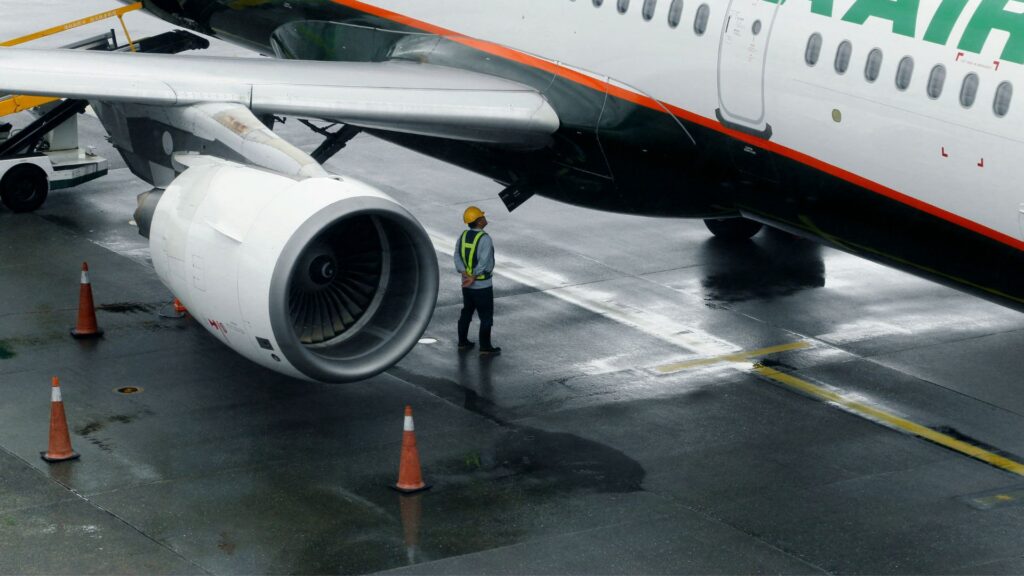
On the r/Delta subreddit, a self-described airline mechanic wrote that mechanics fill the potable water system with diluted bleach, let it soak for several hours, and flush it a few times. Vance Hilderman, CEO of aviation development company AFuzion, told USA Today that bacteria die at about 175 degrees. On a plane, he said, water boils at about 195 degrees, so the coffee and tea are fine.
What to Order Instead
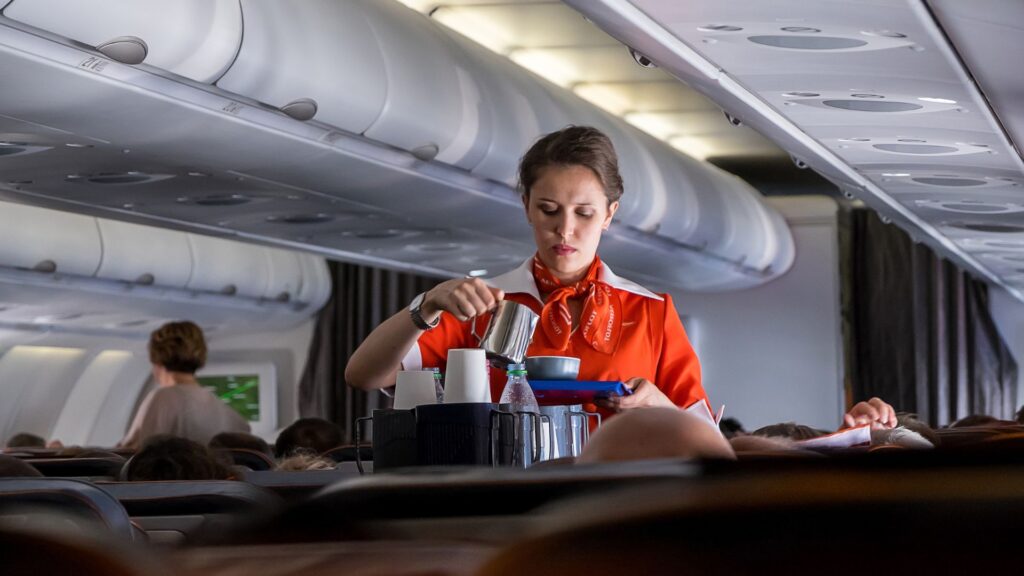
Flight attendants recommend sealed, canned, or bottled drinks, which skip the airplane’s plumbing. Dean Rotchin, founder of Blackjet, advises picking up a coffee at the terminal before boarding. The Center for Food as Medicine and Longevity recommends drinking only water that comes in a sealed bottle. For parents, Kat Kamalani suggested making the baby’s bottle with bottled water, then warming it in a cup of hot water.
