

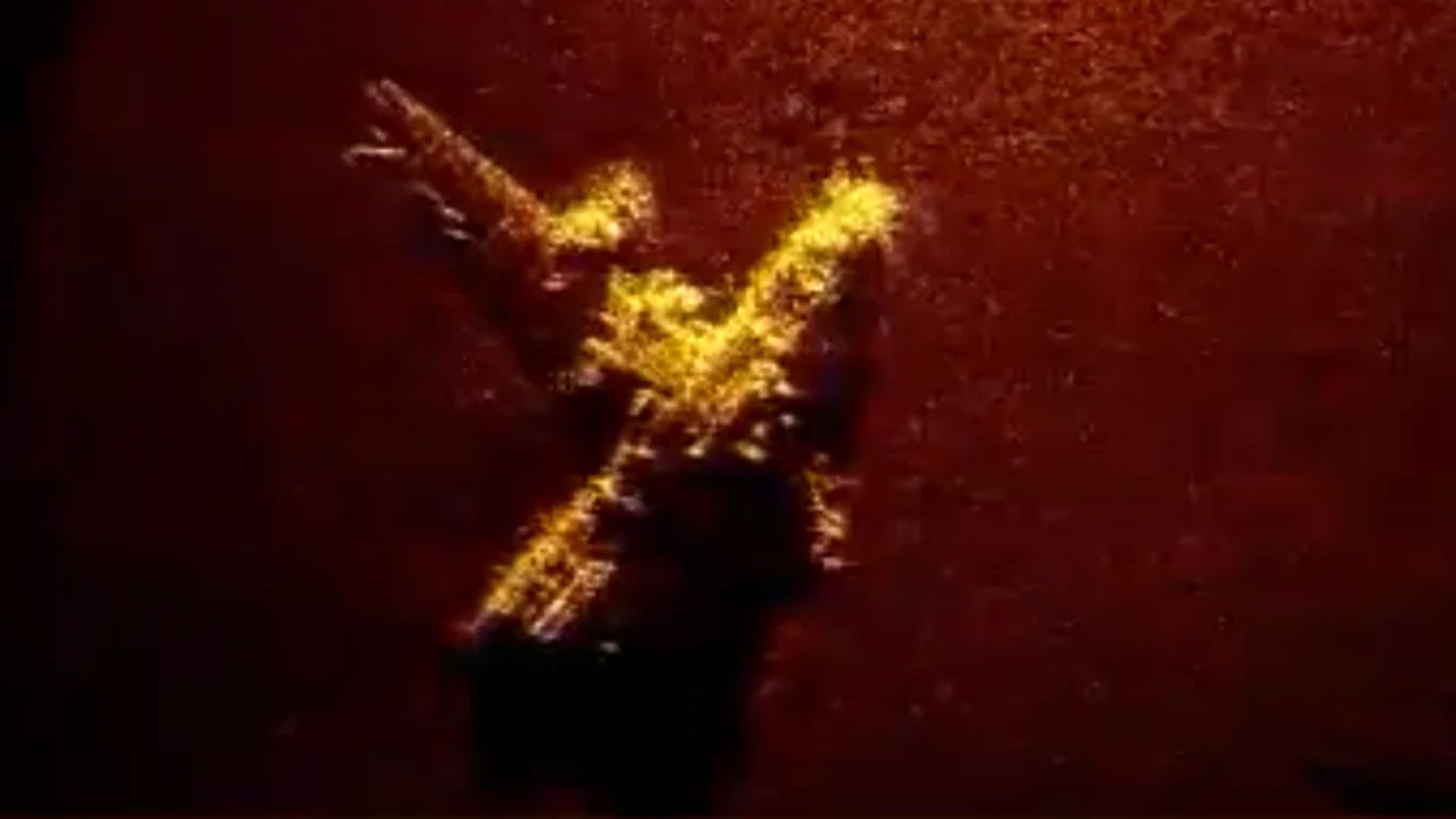
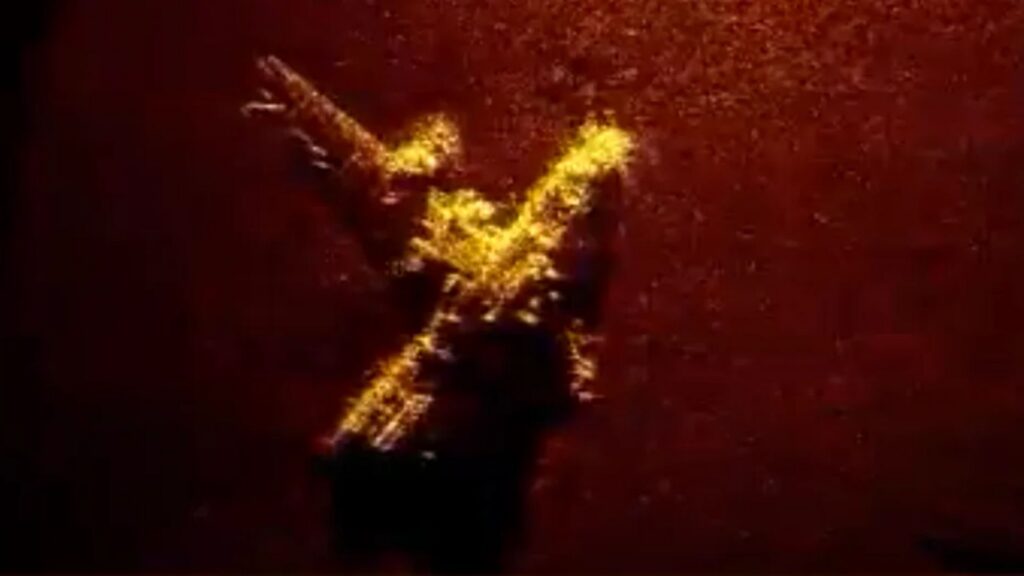
A Pan Am airliner that went into the Atlantic off Puerto Rico on Good Friday 1952 has been found on the seafloor, 74 years later. The Douglas DC-4, named Clipper Endeavor, was bound for New York when it went down, and 52 of the 69 people aboard died. Searchers located the wreckage in June 2026, according to The Guardian, ending a search that began in 2019.
Trouble Right After Takeoff
Clipper Endeavor departed San Juan’s Isla Grande Airport at 12:11 p.m. on April 11, 1952, carrying 64 passengers and five crew members. During the initial climb off Puerto Rico’s northern coast, one engine and then another malfunctioned. Passenger Gloria Rosario said in a survivor statement that the plane did not gain altitude quickly and “began to weave from side to side,” according to History.
A Landing on the Water
The captain originally planned to return to San Juan but realized a water landing was his only option, according to the U.S. Civil Aeronautics Board accident report. Everyone aboard, including six infants, initially survived the ditching at approximately 12:20 p.m. The tail section broke off. “Immediately the water began pouring into the plane,” Rosario said. Only then did the crew begin handing out life jackets stored in seat-back pouches.
Confusion in the Cabin
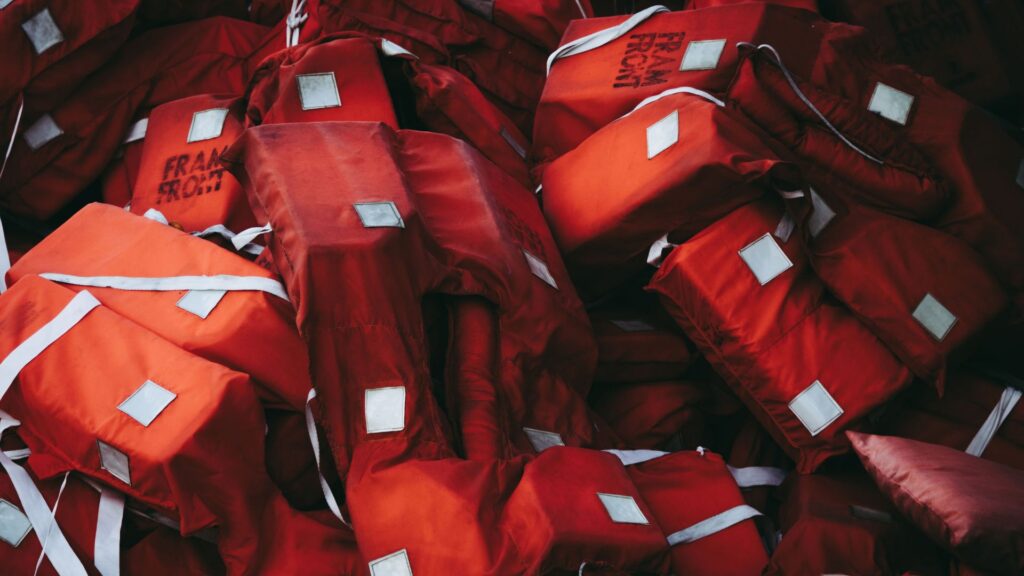
Passengers had not been briefed on how to use the life jackets before takeoff. Most were too stunned to move, even as the tail floated in the Atlantic and the captain ordered everyone to abandon ship, the accident report said. A language barrier between the crew and some Spanish-speaking passengers hampered communication. Of the four life rafts stored behind the cockpit, only one was successfully launched.
Seventeen Survivors
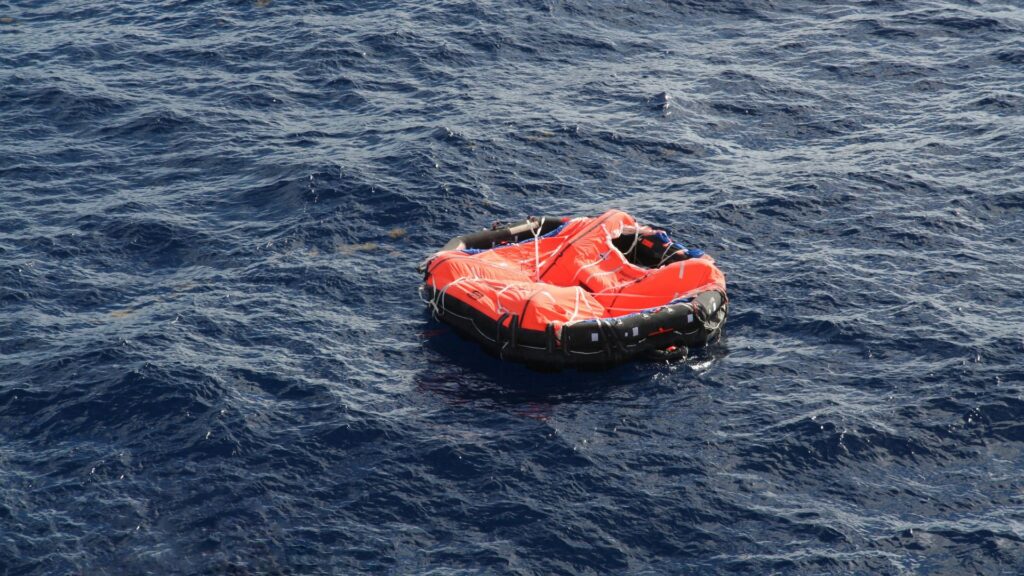
Victorina Riera, a registered nurse in her 20s flying home to New York, opened the rear cabin door, jumped into the water, and swam to a life raft. The plane sank in less than three minutes, and only five crew members and 12 passengers survived, according to History. Riera, now 102, recalled that everybody was crying while the plane floated, but then it “sank completely and there was silence.”
What Investigators Found
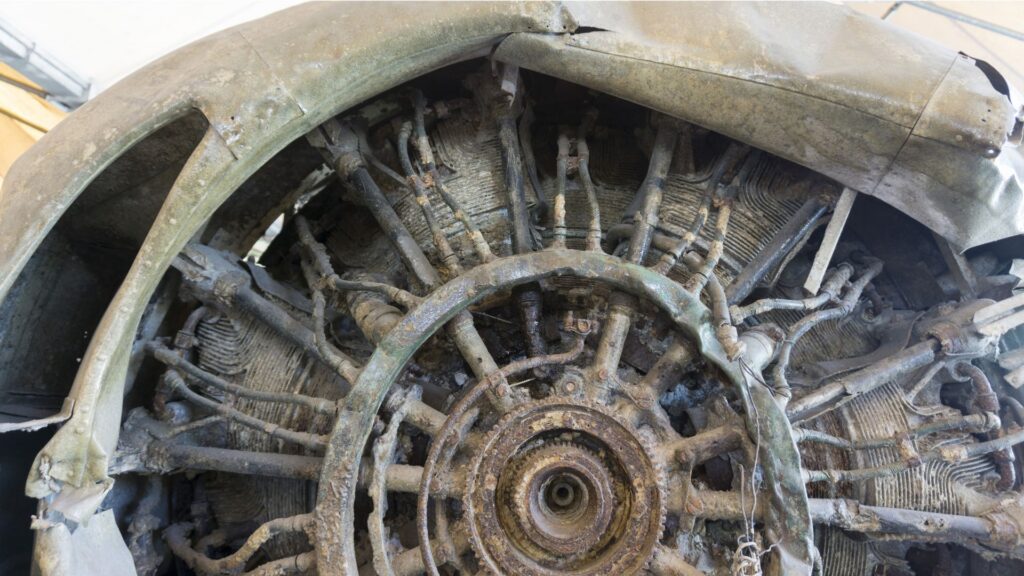
In September 1952, the Civil Aeronautics Board concluded that mechanical issues were partly to blame, stating the plane “was not airworthy when it departed San Juan.” Mechanics made repairs the previous day after finding abnormal fuel levels and metal flakes in one of the engines. The report also attributed the dozens of deaths to confusion after the ditching, and History noted more lives might have been saved with better passenger preparation.
How Briefings Took Shape
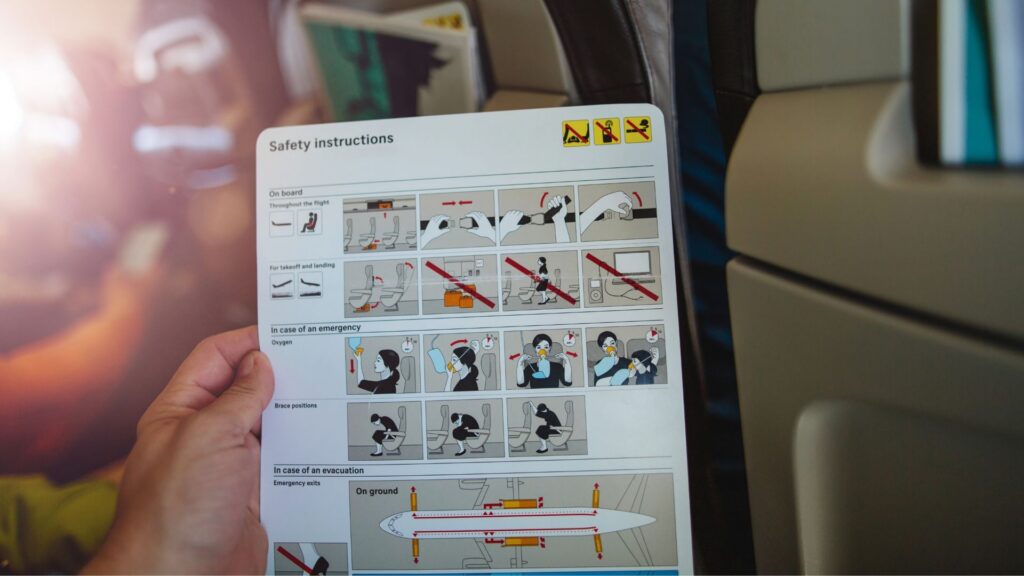
Before the crash, the industry had not developed a comprehensive system for educating passengers, according to Russ Matthews, president of the Air/Sea Heritage Foundation. Aviation analyst and retired pilot John Cox, founder and CEO of Safety Operating Systems, called the tragedy a “watershed event.” By 1965, the Federal Aviation Administration mandated preflight briefings on smoking, seatbelts, and emergency exits, and regulators began requiring accessible life rafts and printed emergency cards.
From Clipper Endeavor to the Hudson
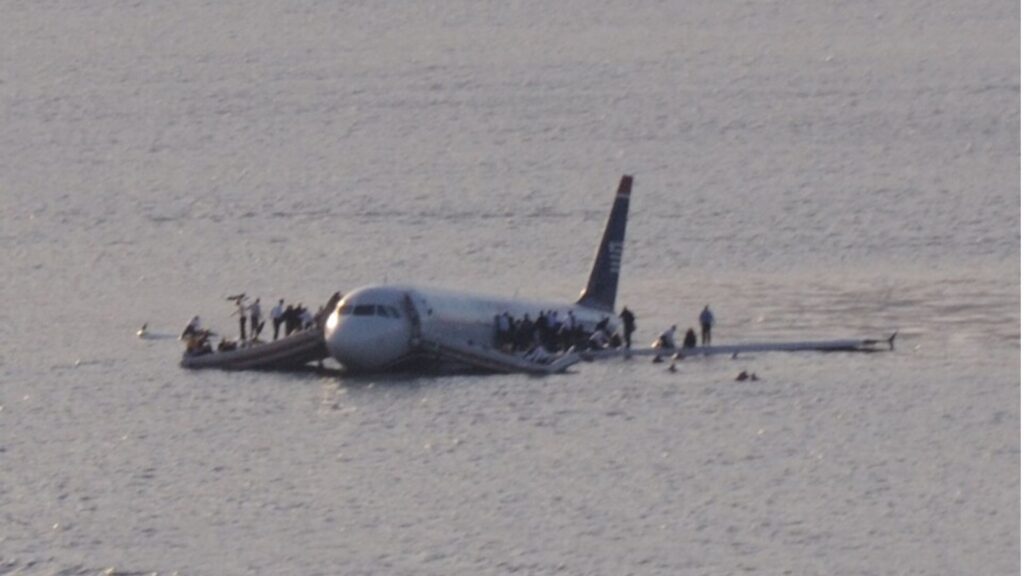
When US Airways Flight 1549 landed on New York’s Hudson River in January 2009, the National Transportation Safety Board found that roughly 70 percent of passengers had not watched the preflight safety briefing. There were no fatalities, thanks in part to the crew’s handling of the emergency, the rapid evacuation, and nearby rescue boats. “You can draw a straight line from Clipper Endeavor to ‘Miracle on the Hudson,'” Matthews said.
The Search Begins
Matthews noticed the crash in 2019 when he saw an article about a luggage tag from the flight washing ashore in Florida. Years of searching Pan Am and Coast Guard archives followed, along with Civil Aeronautics Board reports. According to The Guardian, the key came from records of a hearing in Puerto Rico and a map drawn by Air Force pilots who witnessed the crash.
Wreckage on the Seafloor
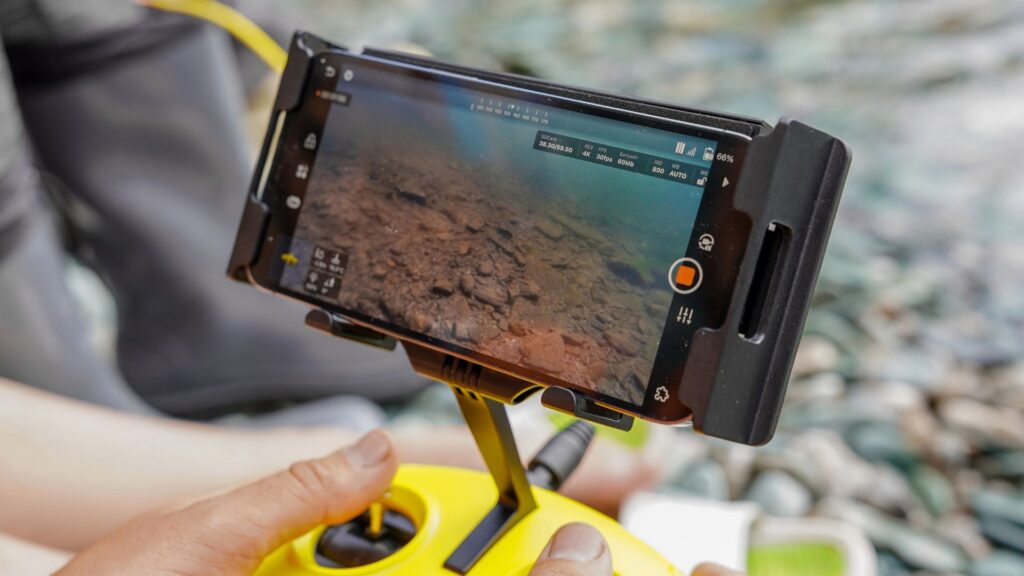
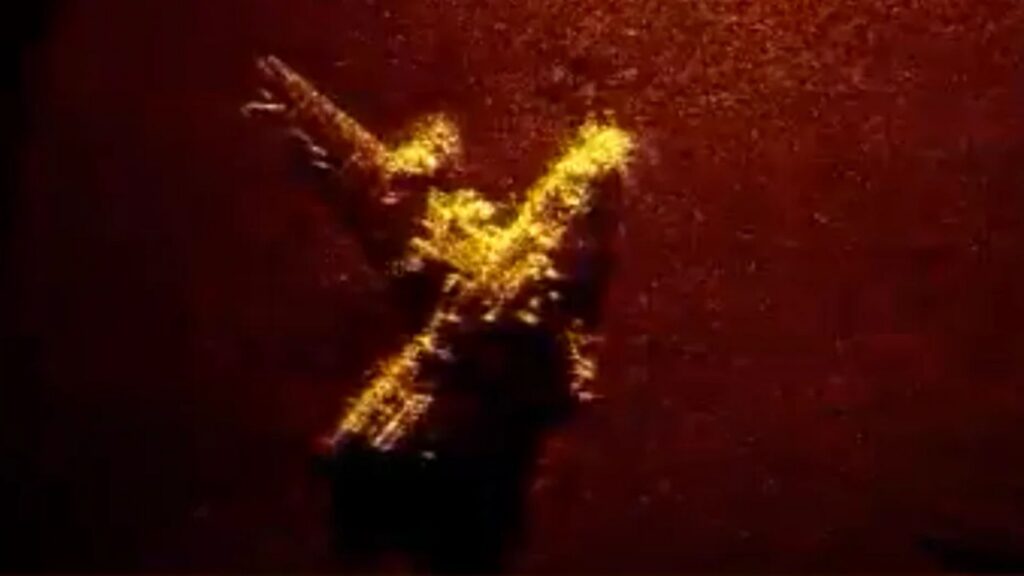
Tony Romeo, CEO of Deep Sea Vision, said he joined the effort when one of his ships was near Puerto Rico carrying an advanced underwater drone. The drone found the wreckage on its first pass in June 2026, roughly 2,000 feet down, according to History. The New York Times reported that the site was not disturbed. “I hope this historic discovery brings some peace to the families of those aboard,” said Expedition Unknown host Josh Gates. The Guardian noted the find could offer new hope to families of ocean crashes like Malaysia Airlines flight MH370, which disappeared 12 years ago with 269 people aboard.
