

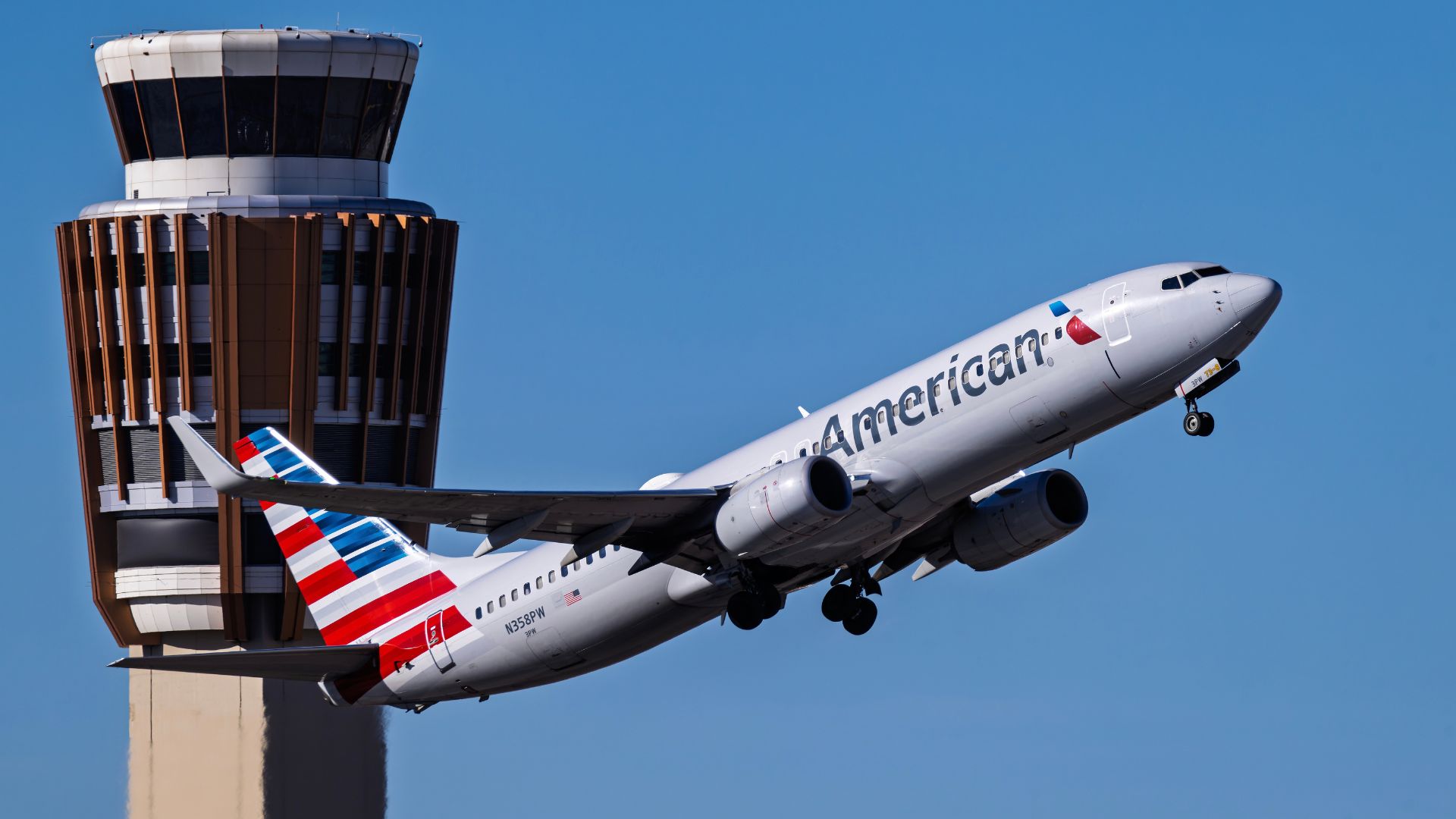
Changing your mind about a flight the morning after booking has become much harder at American Airlines. Gary Leff of View from the Wing reported in August that the airline has told employees to convert every ticketing, cancellation, and departure time to Coordinated Universal Time (UTC). Miss either of the two cutoffs by a single recorded second, and the cash refund is gone.
The change took effect on Wednesday, July 29, the airline told CBS News. American’s 24-hour refund policy now applies only to tickets bought at least a week before departure, whereas tickets bought as little as two days ahead used to qualify. According to Leff, that two-day rule dates to 2017, when American cut the requirement from seven days, so the airline has returned to the federal minimum.
In a statement to CBS News, American said it still offers a full refund for tickets canceled within 24 hours when they were booked at least seven days before departure. CBS News also reported that customers with uncertain plans can hold a booking for 24 hours at no charge. Department of Transportation rules require airlines to offer one of those two options, but not both.
Two Exact Time Limits Now Decide Who Gets Money Back

According to View from the Wing, American’s guidance sets two separate tests, and a ticket has to pass both to earn a cash refund. The time between ticketing and cancellation must be 24 hours or less, and the time between ticketing and scheduled departure must be 168 hours or more. Converting everything to UTC means neither the customer’s time zone nor the departure airport’s affects eligibility.
Leff walked through a Monday example. A ticket issued Monday at 2 p.m. meets the seven-day test if the flight departs the following Monday at 2 p.m. A 1:59 p.m. departure falls a single minute short, at 167 hours and 59 minutes. On the other end, a cancellation at exactly 2 p.m. on Tuesday still qualifies under the written guidance, while one recorded second later does not.
Daylight saving time adds another wrinkle. A traveler who buys at the same local time seven days ahead is not automatically 168 hours out. Because the math runs on elapsed hours, Leff wrote, seven calendar days can amount to only 167 hours across the spring clock change, and that ticket would not qualify. Across the fall change, the same span can stretch to 169 hours and would qualify.
The Fine Print Meets Federal Rules and Rival Airlines
Only the ticketing timestamp counts, regardless of when a customer started the reservation or clicked purchase, View from the Wing reported. Ticketing is usually immediate, but a lag that pushes it inside the 168-hour mark would sink a refund request. The cancellation timestamp matters too, so an agent who finishes after the deadline costs the refund. Canceling online, well before the deadline, is the safer route.
The Department of Transportation rule refers to when a reservation is “made,” Leff wrote, while American’s internal process starts with ticket issuance. It is not clear the new approach is legally compliant, in his view. CBS News reported that airlines are free to expand the policy for flights departing closer to the booking date. Leff added that the federal rule, in place since 2012, applies to direct airline bookings.
American’s policy now matches those at JetBlue, Southwest and United, CBS News reported, while Delta has the least restrictive approach, with no one-week lead time. Delta’s window for direct bookings generally runs until midnight the day after purchase or midnight on the departure date, whichever comes first, according to View from the Wing. Alaska Airlines, Leff wrote, allows a full refund within 24 hours if travel begins more than 24 hours after purchase.
What Travelers Can Do When Plans Are Uncertain
A nonrefundable cash ticket bought directly from American less than 168 hours before departure gets no 24-hour refund to the original form of payment, View from the Wing reported. That holds even when the mistake is caught right away. Most Main Cabin and premium-cabin tickets can be canceled for an American travel credit, while Basic Economy can carry a substantial fee or keep no usable value. Refundable fares remain refundable.
Leff suggests miles, Delta, or Priceline for close-in bookings that might need to be unwound. AAdvantage award tickets can generally be canceled before departure with the miles reinstated without a fee, which he calls the best route for speculative bookings during irregular operations. Priceline still voids tickets through the next business day, even for close-in travel, so a Friday, Saturday, or Sunday ticket can generally be voided on Monday.
Leff’s July 30 report noted that part of American’s Conditions of Carriage still promised a two-day refund. He recommended that anyone denied a refund on a ticket bought two to six days out save screenshots of the booking terms and escalate. He also cautioned against booking overlapping American flights as a backup. The airline prohibits duplicative, impossible, and speculative reservations and may cancel either one. Its automated process generally exempts Executive Platinum members.
