

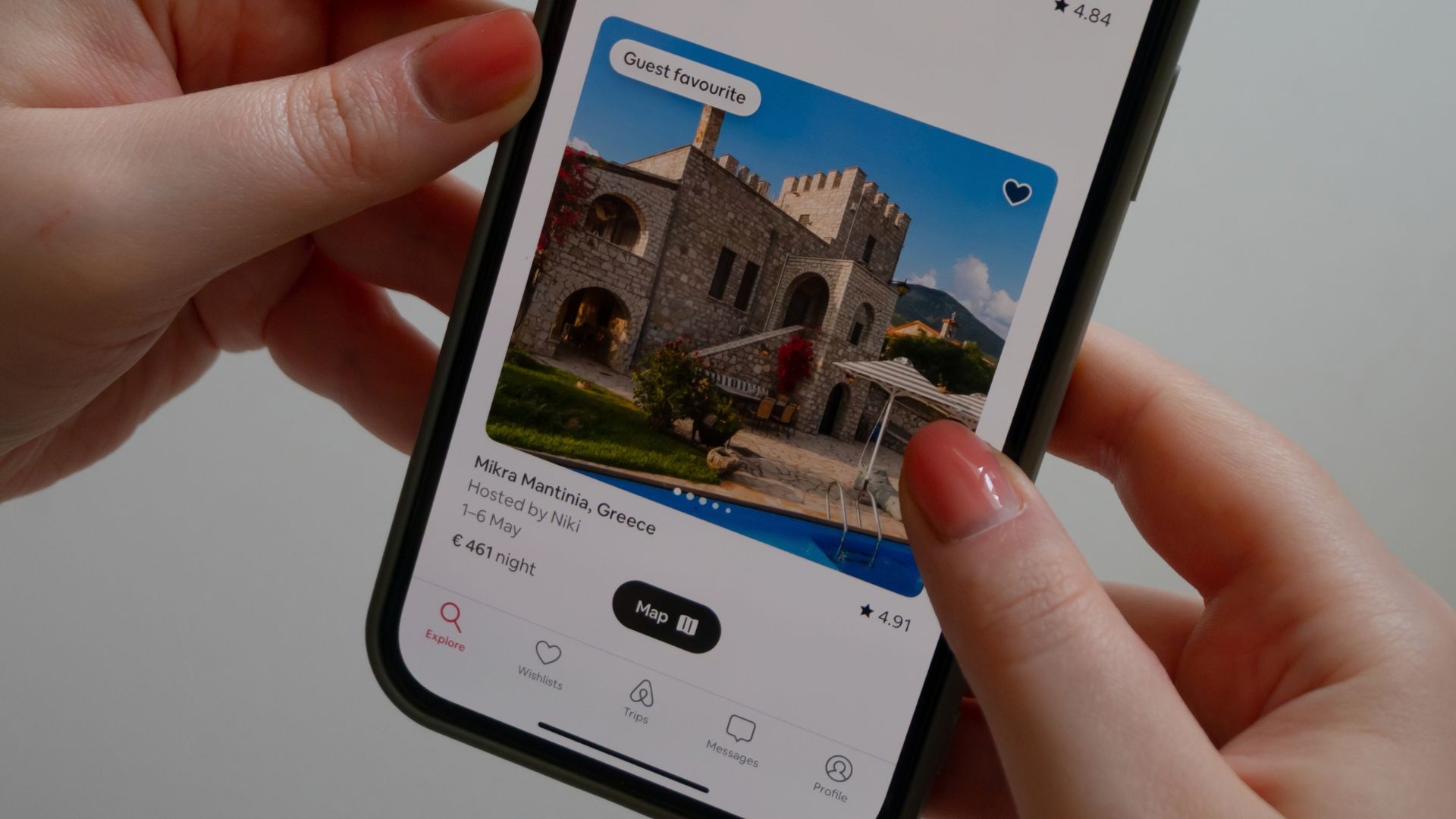
The photos showed sunlight pouring through spotless windows and a patio ready for morning coffee. Then you open the door, and none of it is there. That’s what greeted Alison Walsh and her family during spring break in San Diego. Rusty nails jutted from the deck, the patio set was falling apart, and duct tape kept the staircase from collapsing, the Arizona resident said. The advertised “casita” turned out to be a wooden shed.
“This Is Not The Listing That We Saw”
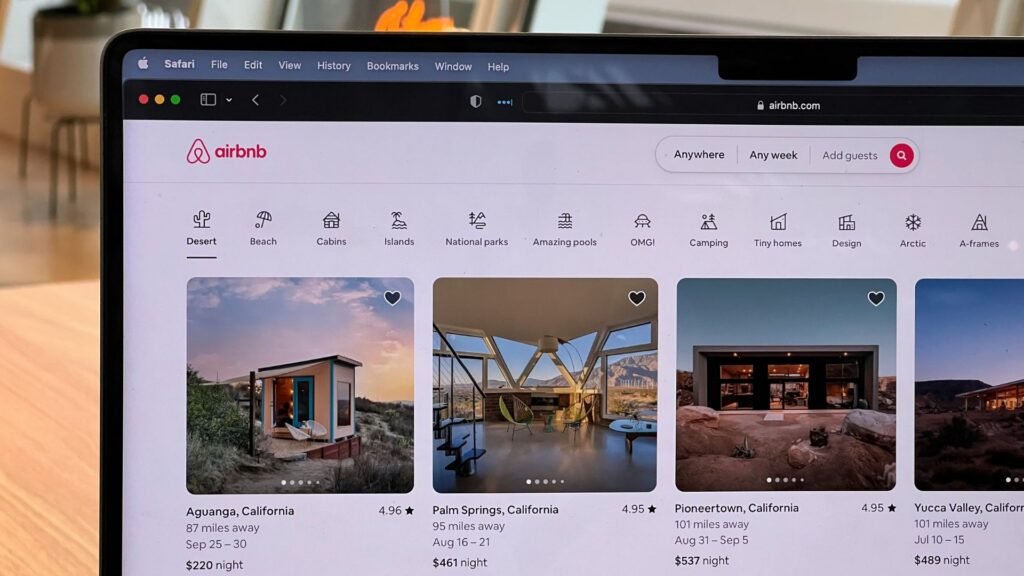
Walsh had booked the home with another family from Kansas City, Missouri, and both families realized instantly something was wrong. “The immediate reaction walking in the front door was, ‘this is not the listing that we saw on Airbnb,'” she said. The two families called the property management company, which escalated the case to Airbnb while everyone scrambled to find a new place to sleep that night.
A Month-Long Fight For A Refund

It took about a month of back-and-forth before Airbnb issued a full refund, Walsh said, and much of her vacation was eaten up by customer-service calls. After the complaint, she noticed new one-star reviews appearing on the listing. Airbnb spokesperson Javier Hernandez told USA TODAY the company fully refunded the guest, removed the listing in April, and requires photos to accurately represent a space.
Walsh’s Experience Is Far From Rare
A September 2026 survey by rental platform Landing found that 52% of 1,000 American respondents had booked a short-term rental that looked significantly different from its listing photos at least once. More than a quarter said they now stick to hotels instead, reasoning that “at least they knew what they were getting.” Marcus Higgins, Landing’s co-founder and president, said mismatched listings turn vacations into headaches.
Scam Mentions Are Surging On The Dark Web
Short-term rentals’ peer-to-peer model makes them vulnerable to fraud. Research from Saily and NordStellar found Airbnb scam mentions on dark web forums have jumped 30-fold compared with the first half of 2023. Scammers also lean on fake reviews, bait-and-switch listings, and payment requests routed off the platform. Airbnb itself found that 62% of Americans believe AI-generated content makes scams harder to spot.
He Checked If His Apartment Listing Was AI-Generated. It Was.

Christopher MacFarlane, 38, a graphic designer, got excited about a bright, spacious-looking Zillow listing while apartment hunting in Hoboken, New Jersey, this summer. In person, the bedroom barely fit a queen-size bed, and the office was just a desk crammed into a closet, he said. Uploading the photos to OpenAI’s verification tool confirmed they had been AI-generated, according to The New York Times. MacFarlane said many other apartments he toured had similarly altered photos.
States Are Starting To Require AI Disclosure
The agent behind MacFarlane’s listing, Jeff Radlin, defended the edits, saying they made the space look tidier, not larger, while previous tenants still lived there, per the Times. California and Wisconsin now require real estate agents to disclose significant AI alterations to listings, and New York and New Jersey are weighing similar rules. New York City Mayor Zohran Mamdani has pushed for disclosure requirements for brokers too.
Experts Say Fake And Real Listings Look Identical
Julie Reid, a professor of communication science at the University of South Africa and author of “Delusive Speech in the Sharing Economy: Scam Inc.,” built her book on 600 firsthand accounts of rental scams. She compares booking platforms to social media, since users create both the listings and the reviews. “The problem is that a genuine listing and a fake listing look exactly the same,” Reid said.
Bad Listings Can Turn Dangerous, Lawyers Warn
Airbnb requires identity verification for hosts and guests, but admits it “doesn’t guarantee that someone is who they say they are.” Location verification remains optional. Reid’s research uncovered cases of robbery and assault tied to rental scams. Pedro Echarte III, a partner at Haggard Law Firm, said he has seen more cases involving injuries from unsafe properties with no oversight or safety standards.
How To Protect Yourself Before You Book
Experts recommend keeping a paper trail: screenshots of the listing, saved messages with the host, and photos of the property when you arrive. Reid suggests reverse image searches and checking Google Street View to confirm a listing is genuine. Echarte says one red flag usually means more are coming, so travelers should leave and report bad listings. Walsh still books rentals, but now scours photos and asks questions before paying.
