


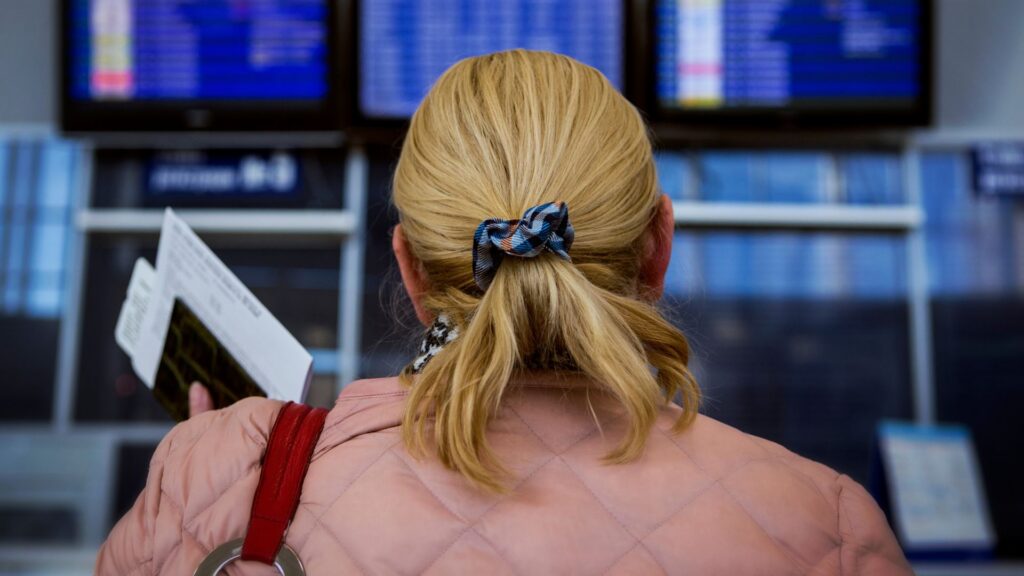
Pickpockets used to top the list of travel worries. Now experts say scams have grown far more sophisticated, with artificial intelligence helping fraudsters build convincing fake websites and exploit stolen personal data. Florent Silve, an executive at corporate travel platform Engine, said scams that once looked obviously fake are becoming nearly impossible for travelers to spot before real damage is done.
AI Is Making Scams Nearly Impossible to Spot
Silve said AI tools now let scammers replicate legitimate booking pages and hotel or airline communications with startling accuracy. A Federal Trade Commission report released in June found Americans lost $3.5 billion last year to impostor scams delivered through text, email, phone calls, social media, and search engines, though not every case was travel-related. Impostor fraud made up nearly one in three reports.
Why the Most Dangerous Scams Look Totally Normal
Iskander Sanchez-Rola, a scam expert at cybersecurity firm Norton, said the danger now comes from messages that feel routine. Travelers expect hotels and airlines to reach out before a trip, and scammers exploit that trust. He said the most dangerous scams no longer look suspicious at all; instead, they look exactly like the communications a traveler would already be expecting to receive.
Inside the Reservation Hijacking Scam
One growing threat is reservation hijacking, Sanchez-Rola said. Scammers send an email or text posing as a traveler’s hotel, claiming an urgent problem such as a failed payment that needs immediate action. What makes it convincing is that criminals often phish hotel staff first, stealing login credentials and pulling real booking details before contacting the guest directly with accurate information.
A Real Reservation Weaponized Against You
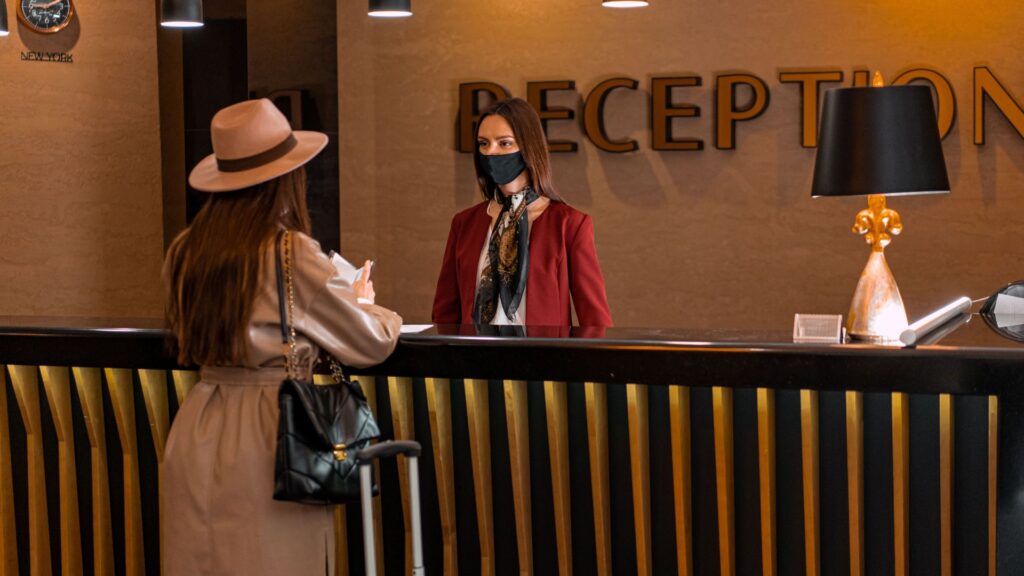
Because scammers use a genuine reservation, Sanchez-Rola said, the message includes real stay dates and the exact cost of the room, making it far harder to dismiss. “This isn’t a fake booking confirmation, it’s a real reservation that is weaponized against you,” he said. He recommends calling the hotel directly using the number listed on its official website, never the one included in the suspicious message.
Flight Cancellation Alerts Prey on Urgency
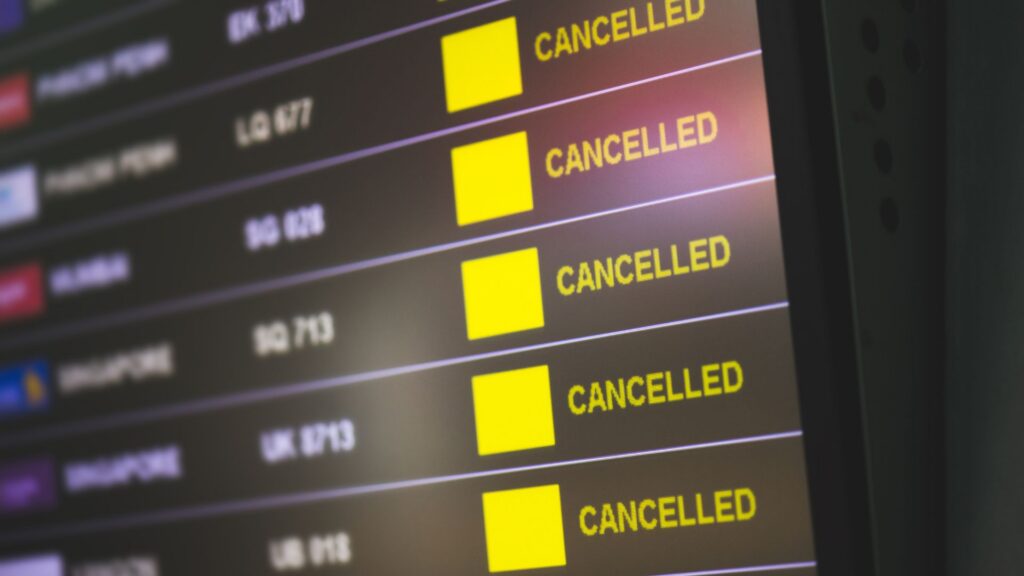
Flight cancellation scams work the same way, playing on urgency, Sanchez-Rola said. Scammers send an alert claiming a flight has been delayed or canceled, then offer paid help rebooking it. Because the message often arrives just a day before departure, travelers feel pressure to act fast. Sanchez-Rola said that inherent urgency is exactly what makes the scam effective against otherwise cautious people.
Don’t Click the Link, Check the Portal Instead

If a cancellation text arrives, Sanchez-Rola advises checking flight status directly through the airline’s own portal rather than clicking any links. Rebooking should happen only through the airline or the original booking provider. He also warned against posting photos of boarding passes online, since QR codes and barcodes can reveal far more information than travelers realize, including details about return flights.
The Sticker Scam Hiding on Restaurant Tables
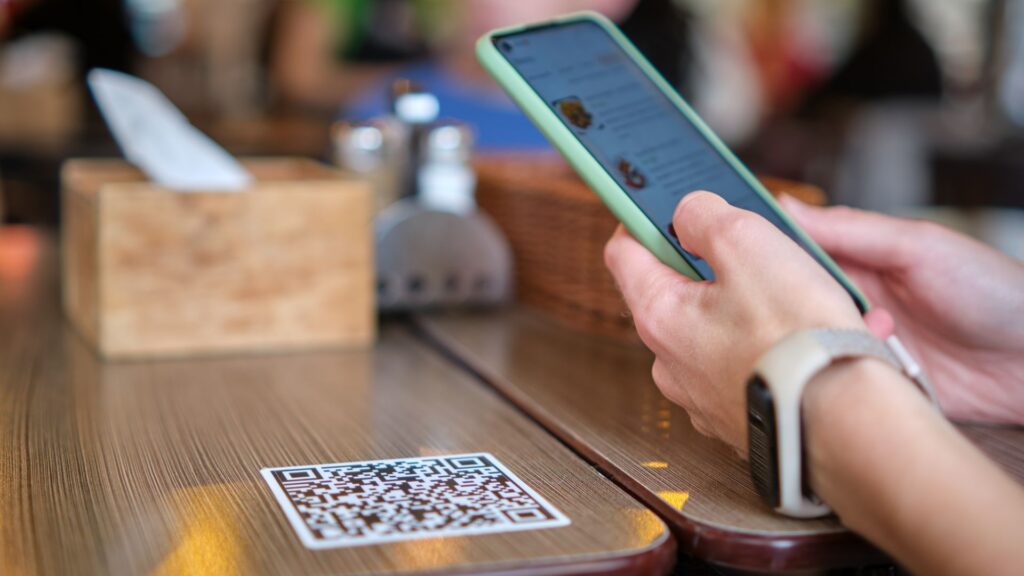
Restaurant QR codes carry their own risk, said Alissa Abdullah, Mastercard’s deputy chief security officer. “You may be sitting at a coffee shop and have a real QR code with a fake one that’s a sticker laid right on top,” Abdullah said. Scammers use these stickers to redirect diners to a fraudulent payment portal, often placing them directly over a restaurant’s real code without anyone noticing until it’s too late.
Fake Wi-Fi Networks Are Waiting for You Too

Abdullah recommends flagging any suspicious payment page or an unusual sticker to staff immediately and switching to cash or a credit card instead. Public Wi-Fi carries similar risks, said Brian Cute, chief executive officer and director of the capacity and resilience program at Global Cyber Alliance, a nonprofit working to reduce cyber risk. Criminals often create networks with names nearly identical to legitimate ones, tricking travelers into logging on.
The Simple Rule That Keeps Travelers Safe

Cute said joining a scammer’s network can let criminals harvest personal data, compromise a device, or even gain remote access to it. When public Wi-Fi can’t be avoided, he said the safest approach is limiting its use to low-risk tasks like checking directions. Save banking, email, and other sensitive logins for a trusted connection, since a moment of convenience can carry a lasting cost.
