

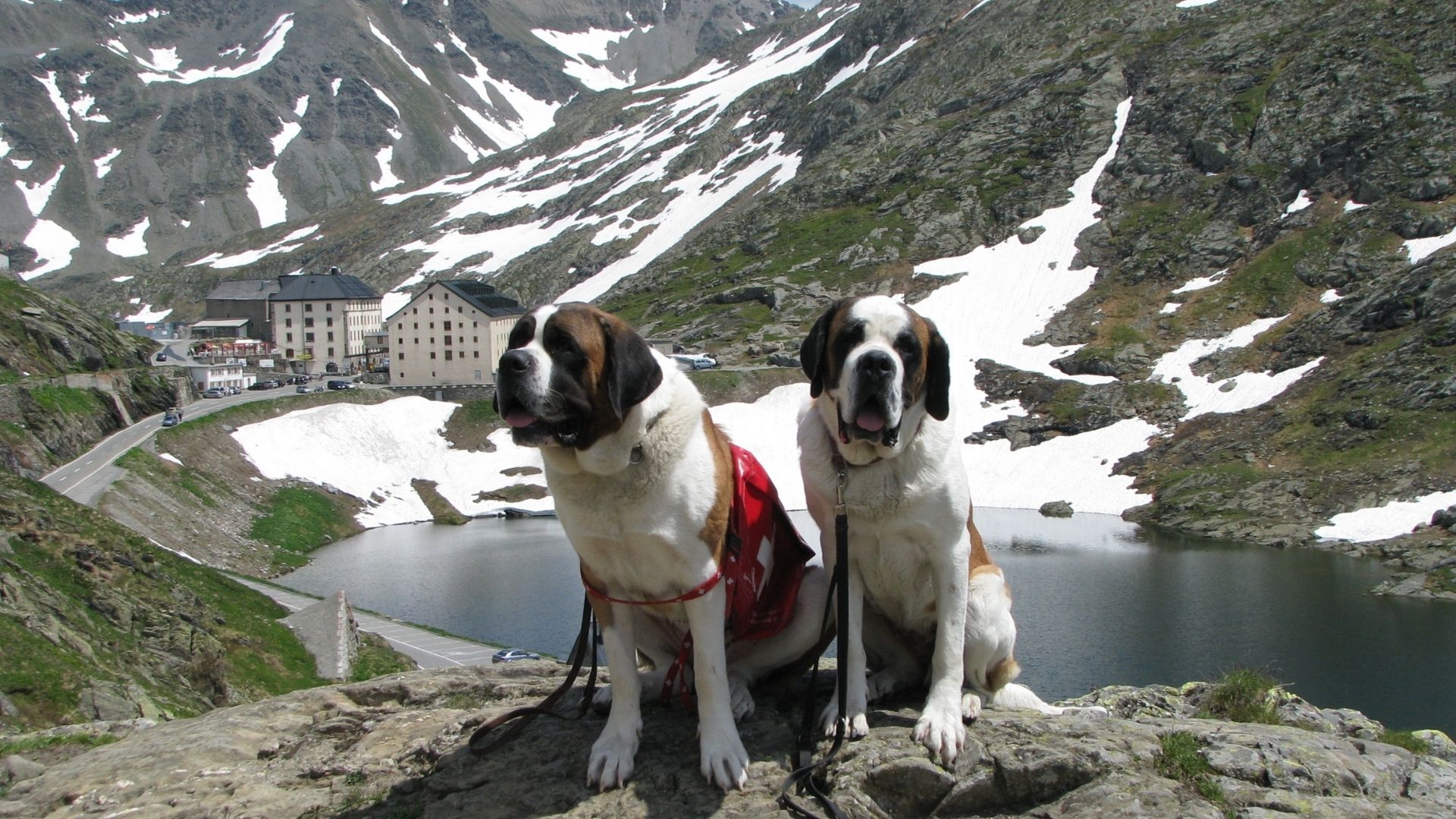
Perched above Martigny, Switzerland, the world’s only park devoted to St. Bernards has drawn more than 130,000 visitors since opening last summer, according to The Associated Press. Barryland had outgrown its old, smaller home, and director Mélanie Glassey-Roth said the reason was simple. “We have a lot of demand and interest for this breed and this whole history and patrimony,” she told the AP. “So we decided to create a new park, a big one.”
Step inside the museum, about 85 miles east of Geneva, and you can watch the dogs get groomed and put through physiotherapy, wander the mountain pass via augmented reality, and dig into the breed’s long history, the AP reported. The Washington Post called Barryland the world’s only theme park built for the Swiss dog breed, a paw-shaped venue that opened in June 2025 and replaced the smaller museum the foundation had run since 2005.
To understand why, head up to where it all began: the Great St. Bernard Pass, a treacherous route 2,469 meters (8,100 feet) high on the Swiss-Italian border, the AP reported. Large mountain dogs have called it home since the mid-17th century, starting out as guard dogs, then becoming companions, and slowly developing an uncanny knack for finding travelers lost in the snow and fog, long before Barryland gave that story a home in the valley.
Inside the Breeding Program Keeping the Line Alive
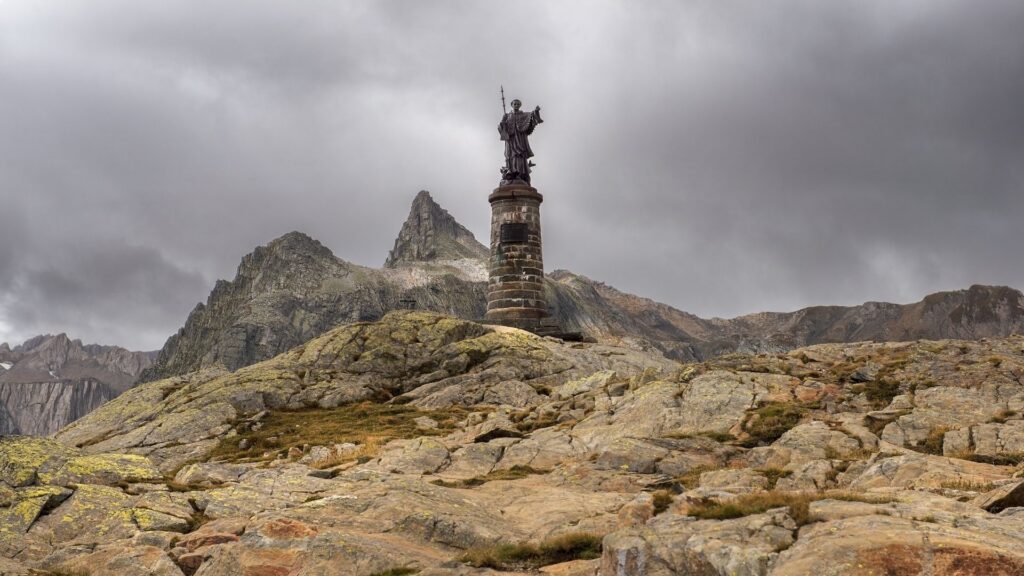
That knack has roots in the Great St. Bernard Hospice, founded in 1050 by Bernard de Montjoux, the archdeacon of Aosta and future saint, as a shelter for pilgrims and merchants crossing the pass, the AP reported. The Augustinian canons who ran it spent three centuries breeding the dogs as watchdogs and rescuers, according to The Washington Post, and word of them eventually spread across Europe after Napoleon Bonaparte’s soldiers made the same crossing.
No dog looms larger in that history than Barry the First, traditionally credited with saving more than 40 lives while stationed at the hospice between 1800 and 1812, the AP reported. He now rests at the Natural History Museum in Bern, according to The Washington Post, but his name never really left the mountain. The Barry Foundation, which runs the breeding program today, always keeps one male dog called Barry among its pack.
That legacy is in the hands of 21 keepers, who currently look after 32 dogs and welcome roughly 20 pedigree puppies into the world each year, the AP reported. According to The Washington Post, the foundation’s roughly 30 dogs descend directly from the St. Bernards that lived at the mountaintop hospice from the 1700s until the early 2000s, and the nonprofit took over as primary custodian of the kennels, breeding program, and dogs in 2005.
Retired From Rescue Duty but Still Working
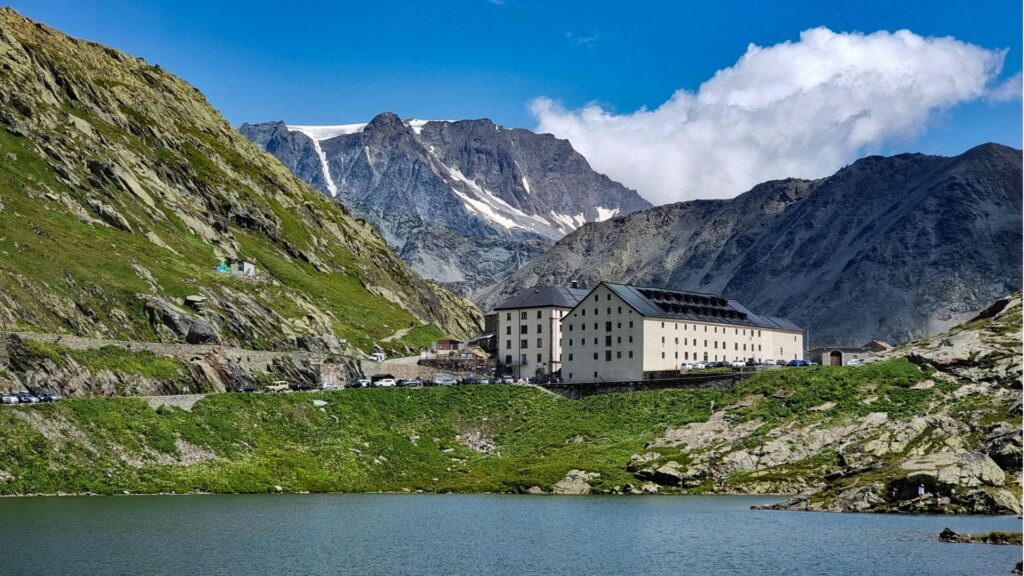
The dogs stopped doing mountain rescues in 1984, when helicopters and other modern travel and rescue advances took over, according to The Washington Post. As the AP put it, St. Bernards are simply too big to load onto a helicopter, so smaller breeds like Australian shepherds now handle that job. Several St. Bernards still spend time on the pass, though, keeping the old tradition visible for the hikers who pass through.
Every summer, about 10 dogs go home under an arrangement with the canons, returning to the hospice from June through September for the pass’s busiest trekking and biking season, The Washington Post reported. The Barry Foundation puts them to work in a two-hour hiking program so popular it sells out fast, running five days a week in July and August at $432 for up to eight people. The dogs sometimes wander into Italy.
Back home, the dogs stay just as busy. In 2025 alone, the foundation’s St. Bernards completed 609 jobs visiting hospitals, care homes, schools and prisons across Switzerland, according to the AP. That work takes real upkeep, including hydrotherapy sessions, the Washington Post reported, which are critical for a breed prone to hip dysplasia, plus the roughly 10 metric tons (22,046 pounds) of dry food the foundation’s dogs eat every year, the AP said.
Keepers Reflect on a Living Legacy

Ask the keepers, and it’s clear the bond runs deep. “We get to see them born, and we get to see them grow up, and then become mothers, and we get to accompany them through all those different challenges in life,” Barryland keeper Alexandra Piatti told the AP. “We are their guide, so we can help them with socialization and educate them, and really be by their side for their whole lives.”
Loving a St. Bernard, though, comes with fine print. “You need a lot of space and money and a big car,” foundation communications head Andrea Zollinger told The Washington Post. “They aren’t Chihuahuas.” Keeper Alexandra Piatti sees the trade-off differently, telling the Post why the breed wins people over anyway: “We love Saint Bernards because of the sweet look they have on their face, the way they look at us with such love and protection.”
“We perpetuate the tradition. We take care of them. We love them,” keeper Déborah Dini told the AP, summing up why the work matters. Piatti put the mission just as plainly to The Washington Post: “Our goal is to maintain this breed.” A year into its bigger home in Martigny, that mission looks much the same as ever: mountain trails, therapy visits, and museum crowds who still show up just to meet the dogs.
