

Does your city make a morning walk or a bike ride to work easy to fit into the day? The 2026 ACSM American Fitness Index, released July 14 by the American College of Sports Medicine and the Elevance Health Foundation, ranked the 100 largest U.S. cities on personal and community health measures. One city took the No. 1 spot for the ninth year in a row.
Meet the Top 10 Fittest Cities in America
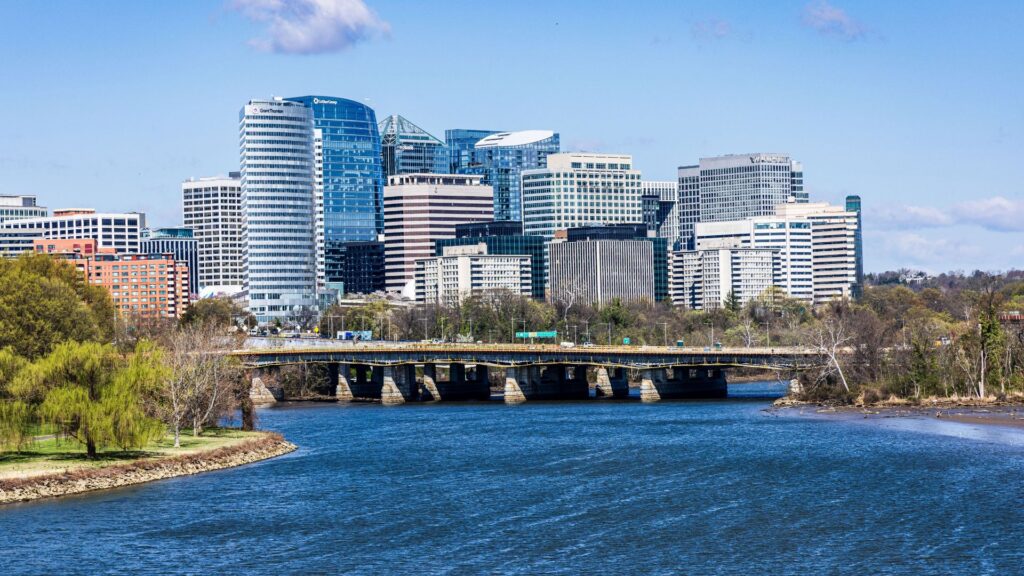
Arlington, Virginia, holds the No. 1 spot, according to ACSM. Washington, D.C., is right behind at No. 2, followed by Minneapolis, Seattle, and Denver. San Francisco and Irvine, both in California, took the next two spots, with Atlanta in Georgia, Madison in Wisconsin, and Boston in Massachusetts completing the top 10. This year marks the 19th annual edition of the index.
Richmond Climbs 20 Spots
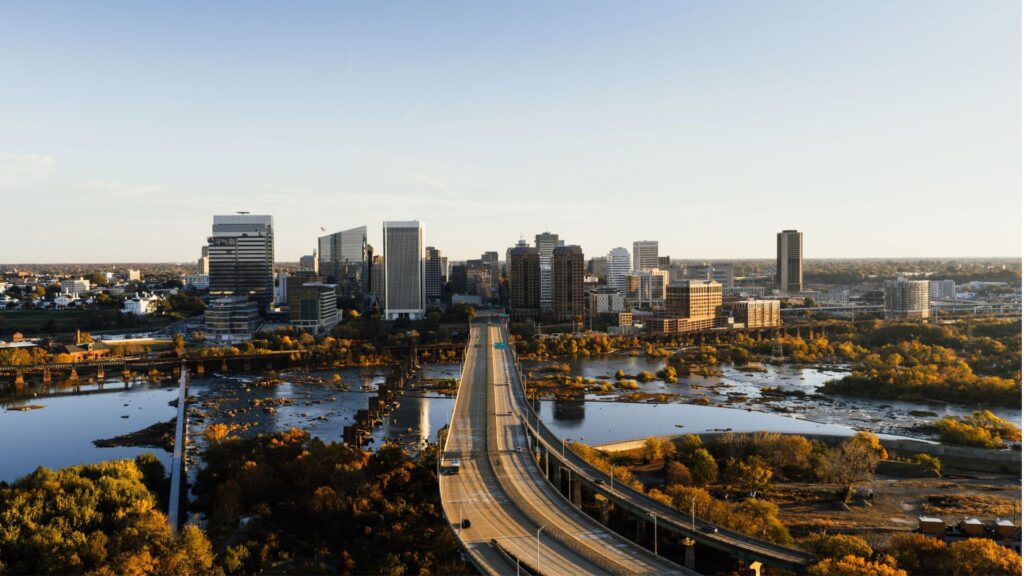
Four cities posted the biggest gains in the 2026 index, according to ACSM, led by Richmond, Virginia, which rose 20 spots from No. 40 to No. 20. Charlotte, North Carolina, climbed 19 places from No. 61 to No. 42, while Virginia Beach, Virginia, moved up 18 spots from No. 79 to No. 61. Durham, North Carolina, rose 17 spots from No. 66 to No. 49, rounding out the group.
Oklahoma City Lands at the Bottom
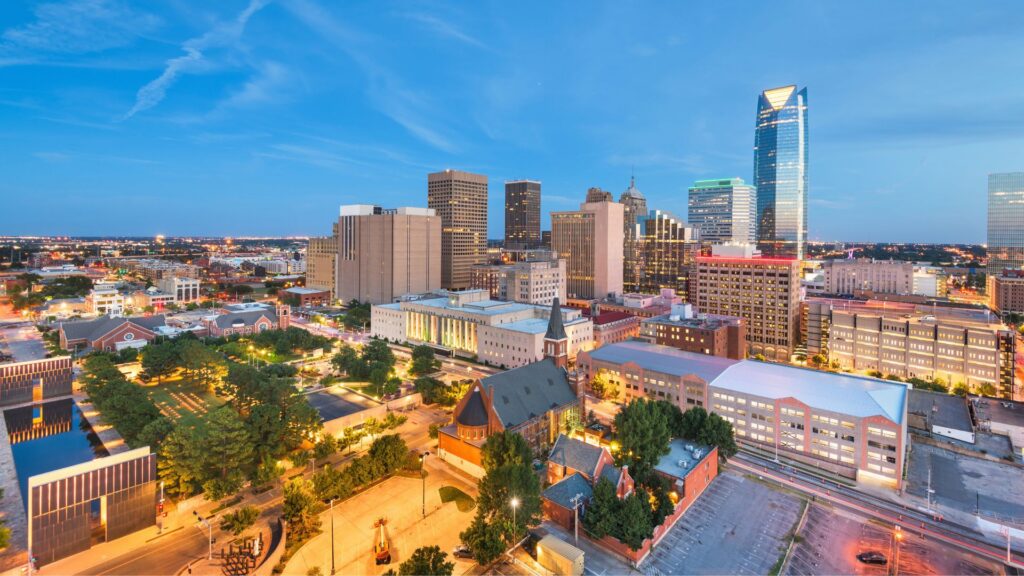
Oklahoma City ranked last, according to USA TODAY, with Memphis, Port St. Lucie in Florida, Indianapolis, and Lubbock in Texas rounding out the bottom five. ACSM also listed three cities that moved down, starting with Orlando, which dropped 19 spots from No. 45 to No. 65. Laredo, Texas, fell 18 spots from No. 70 to No. 88, and Jacksonville, Florida, slid 16 spots from No. 68 to No. 84.
Why Where You Live Matters

“Where you live increasingly determines how healthy you are,” said Stella Volpe, PhD, past president of ACSM and chair of the Fitness Index Advisory Board. The index draws on 35 evidence-based indicators across personal health, community infrastructure, and environmental conditions. One of the clearest divides is obesity, with rates often more than 10 percentage points lower in top-ranked cities than in lower-ranked ones, according to ACSM.
Top Cities Walk, Bike, and Ride Transit More
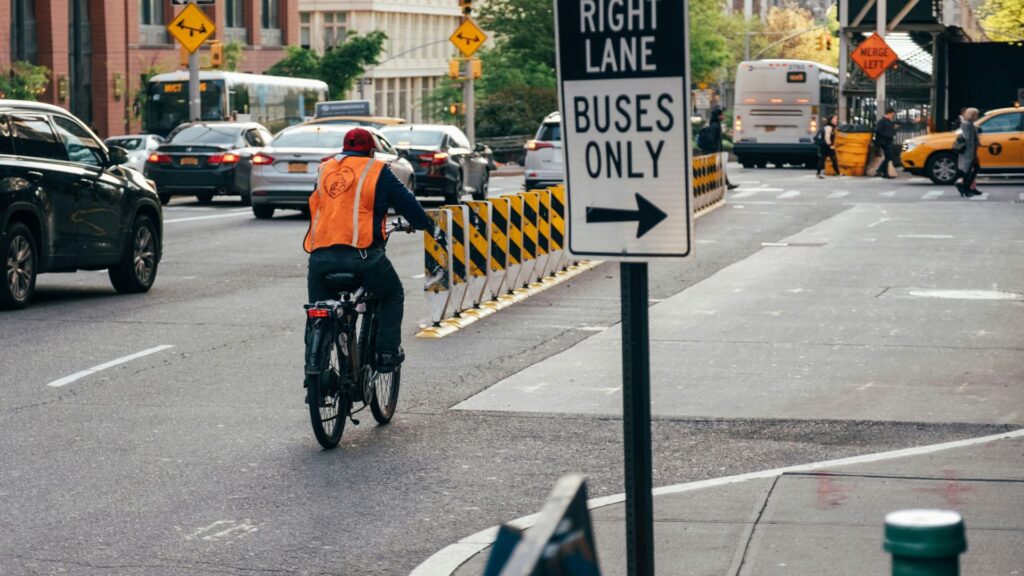
Residents of top-performing cities are substantially more likely to meet recommended physical activity guidelines, ACSM said. The highest-ranked cities also post significantly higher Bike and Walk Scores and have more trail miles. Biking, walking, and public transit use are also increasingly common there. People in the fittest cities are more likely to take brisk walks or routinely hit the gym, USA TODAY reported.
Park Access Is High, but Results Vary
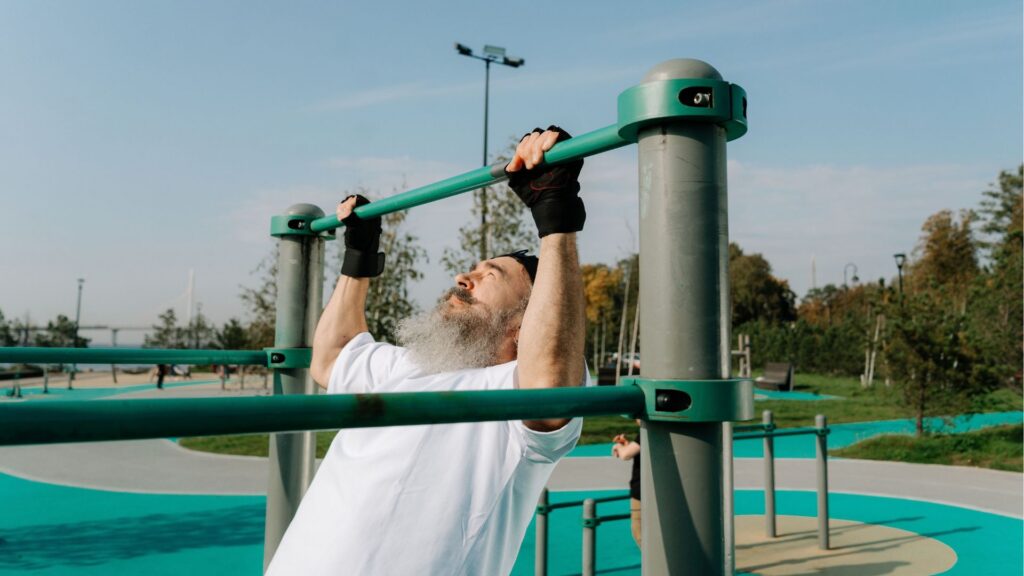
Park access is now high across many cities, but ACSM found that only higher-ranked cities appear to turn that access into healthier outcomes. Volpe said greater access to parks and playgrounds, where people can maybe do pull-ups outside, and greater walkability make a difference. That changes, Volpe said, when barriers stand between residents and those places. Lower-ranked cities continue to have fewer opportunities to build movement into daily life, the report said.
Food Insecurity Rose in Nearly Every City

USA TODAY describes food insecurity as people being unable to get, or not believing they can get, nutritionally adequate and safe food because of money or geography. Food insecurity rose in every major city except Santa Ana, California, with rates climbing 1.5 percentage points on average, from 12.9% in 2025 to 14.4% in 2026. ACSM said this was the second consecutive year of increases.
Grocery Costs and SNAP Changes Add Pressure

Rising grocery prices make healthy food harder to afford for a larger share of Americans, USA TODAY reported. The 2025 tax cut and spending bill changed food assistance eligibility for low-income families. The law reduced funding for the Supplemental Nutrition Assistance Program, or SNAP, which also has stricter work requirements. Stacy Dean, executive director of the Global Food Institute at George Washington University, said the SNAP changes are the largest since 1996.
Air Quality Can Shape Outdoor Workouts
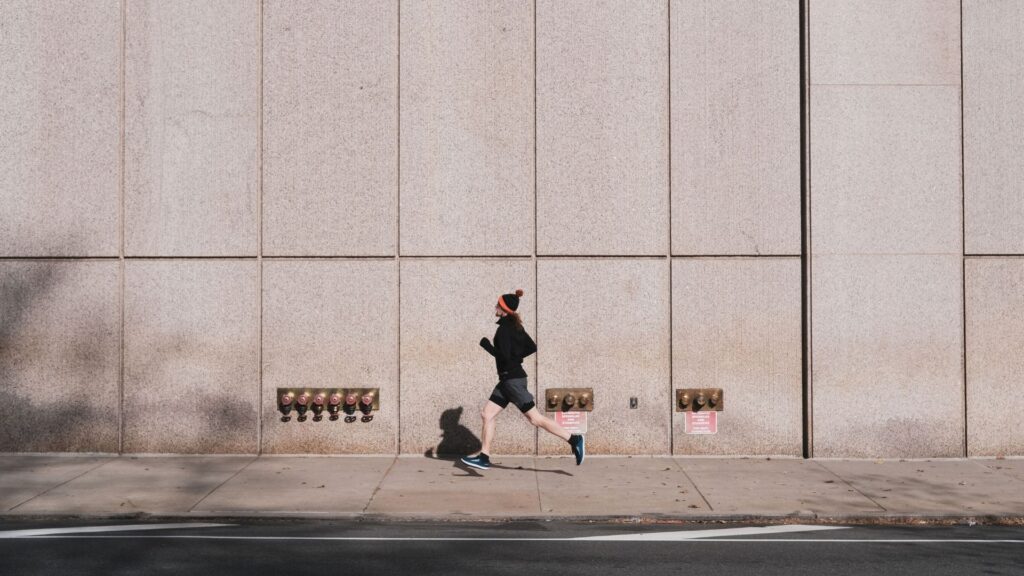
Text (67 words): Cities averaged good air quality on about 51% of days, with eight cities at 10% or fewer, ACSM said. Greensboro, North Carolina, had the highest asthma rate at 15.4%, according to the index. The report suggested checking the air quality index and said some people might prefer early morning or evening workouts while others might find indoor exercise safer. Volpe said, “Any movement is better than none.”
