

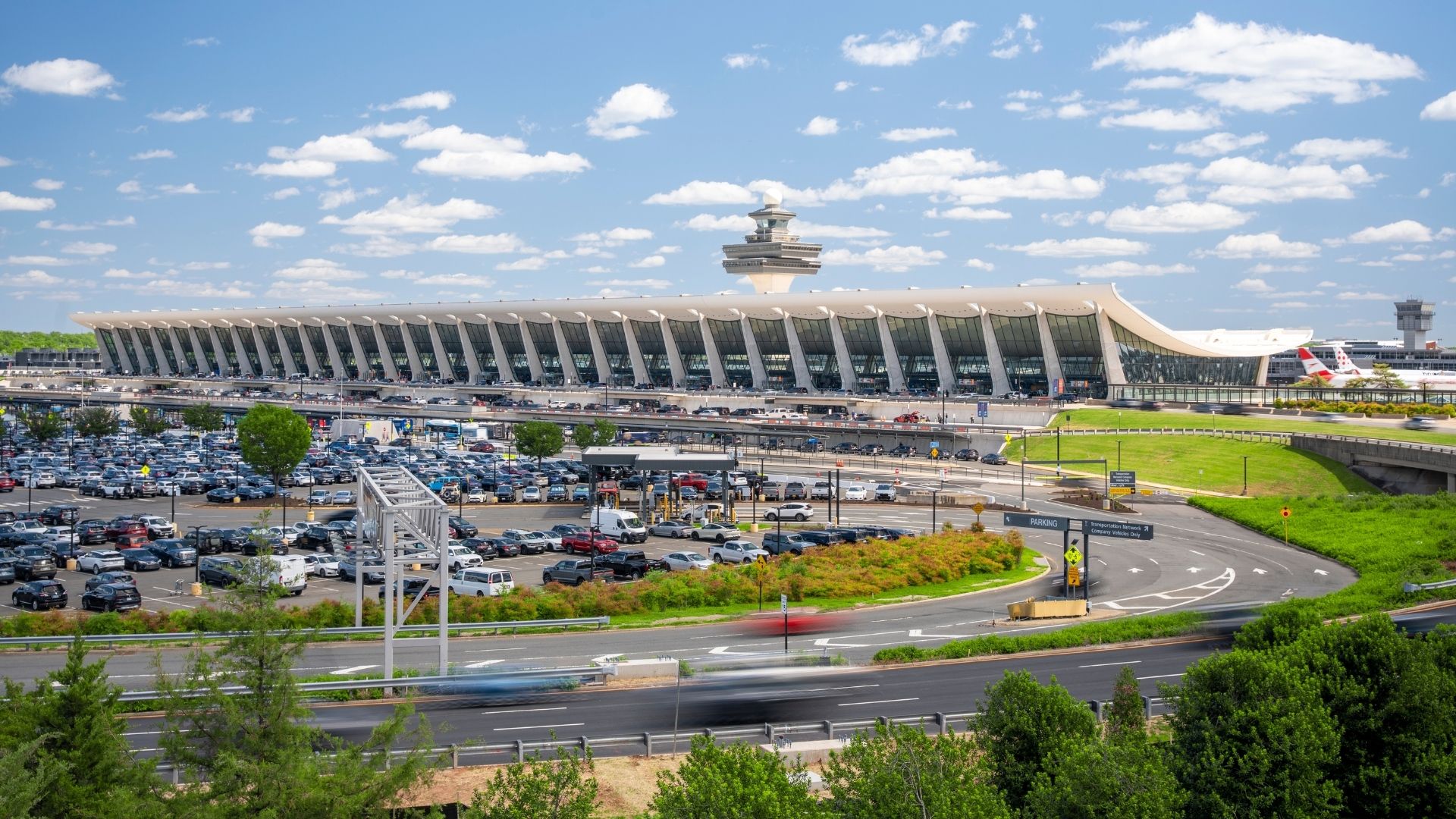
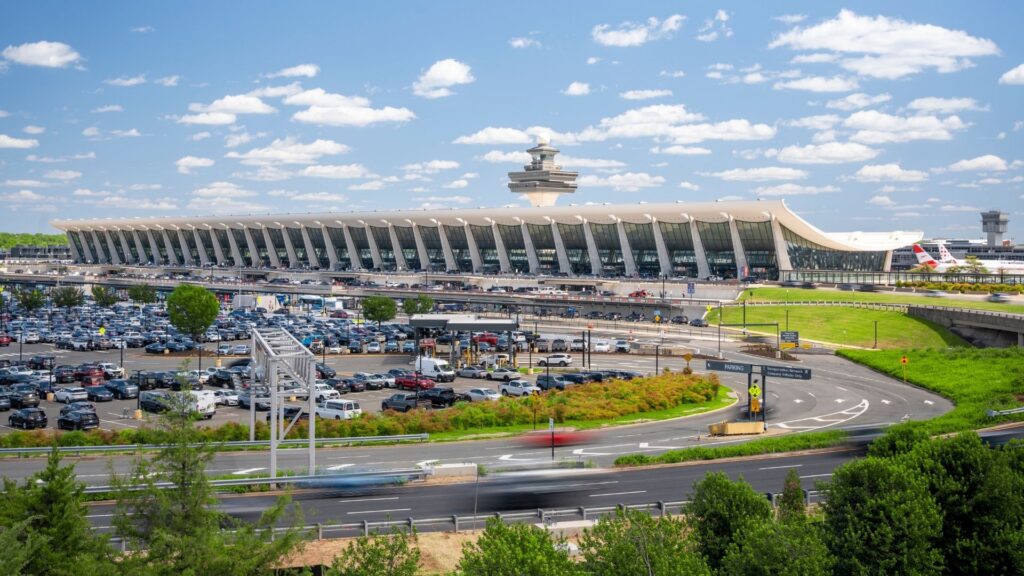
The Metropolitan Washington Airports Authority voted Aug. 19, 2026, to approve a $19.9 billion overhaul of Washington Dulles International Airport, combining $15.5 billion in newly authorized spending with $4.41 billion already on the books. The plan funds a rebuilt main terminal, new underground tunnels and expanded concourses. Airlines’ cost per passenger, currently $12.77, could climb toward $90, a jump that could be passed to travelers through higher airfare.
What the $19.9 Billion Actually Pays For
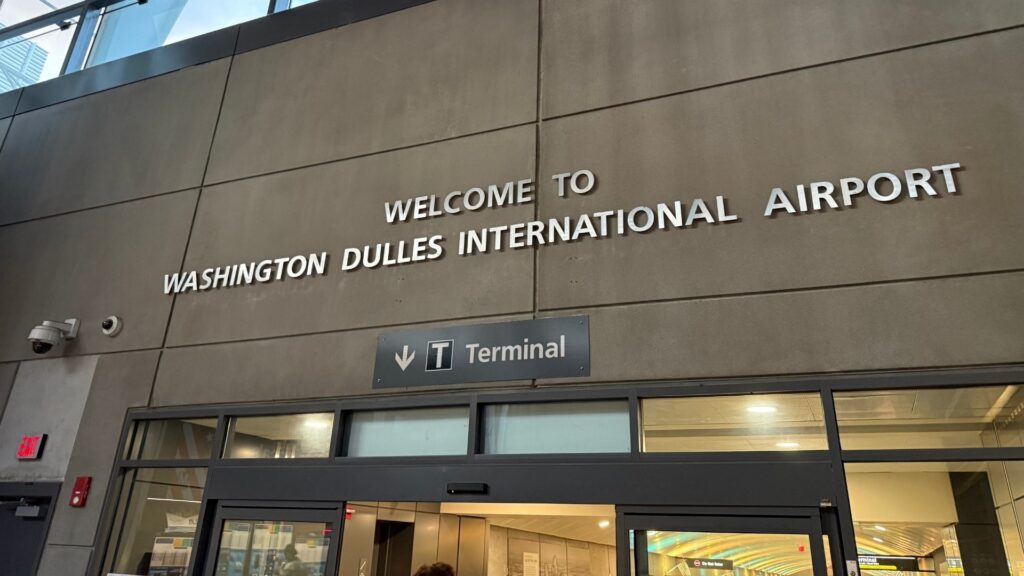
The board packet splits the work into five packages. A $6.2 billion main terminal renovation and expansion starts in late 2027, followed by a $3.75 billion AeroTrain extension and passenger tunnels in 2029. Full buildouts of the E/F concourse, used mainly by United, and the G/H concourse, used by other airlines, plus demolition of the aging C/D concourse, round out the program, with some pieces not finishing until the 2040s.
How the Approved Plan Differs From Trump’s July Announcement
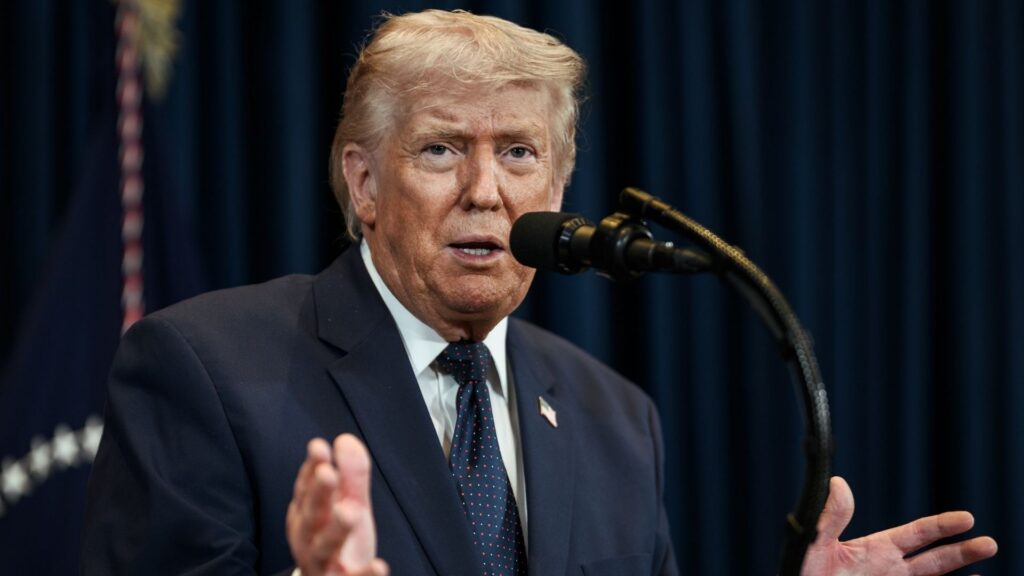
President Donald Trump unveiled a $22.5 billion transformation on July 29, promising a spring 2027 start, more than five million square feet of new space, a 32,000-space garage billed as the world’s largest, a hotel, glass bridges and hundreds of added flights, all without federal funding. The approved packet totals $19.91 billion, includes no garage or hotel line item, and pushes major construction into the late 2030s.
The Project Is Almost Entirely Financed With Debt
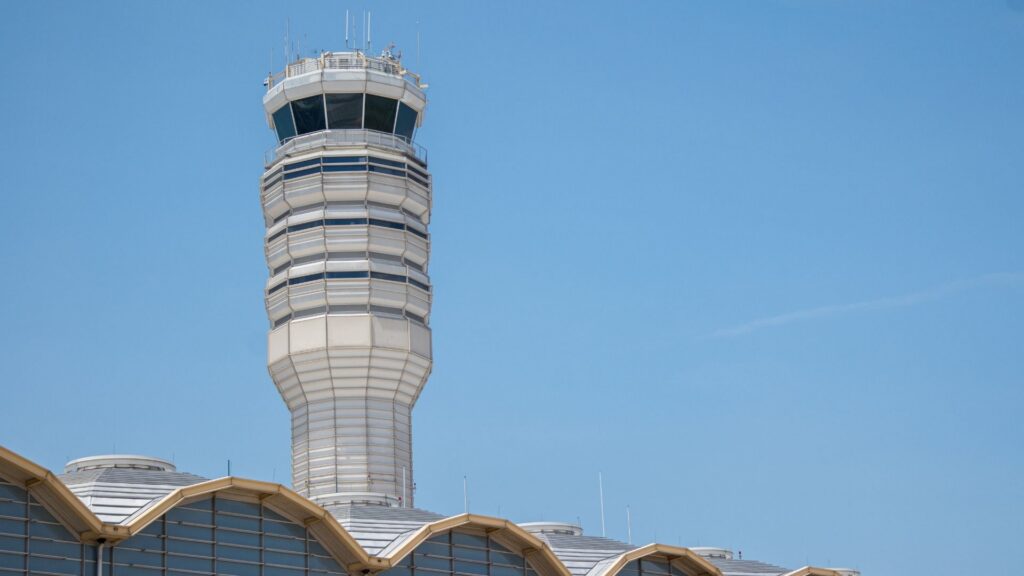
Nearly all the money is borrowed. The authority is issuing $14.223 billion in general airport revenue bonds and $1.127 billion backed by passenger fees, making the project 99% debt-financed. Using MWAA’s own assumption of 6.09% fixed interest over 30 years, the new bonds generate $935 million in first-year interest alone, more than the authority’s entire $889 million combined 2026 operating budget for Dulles and Reagan National.
Why a Single Flight Could Cost $15,000 More
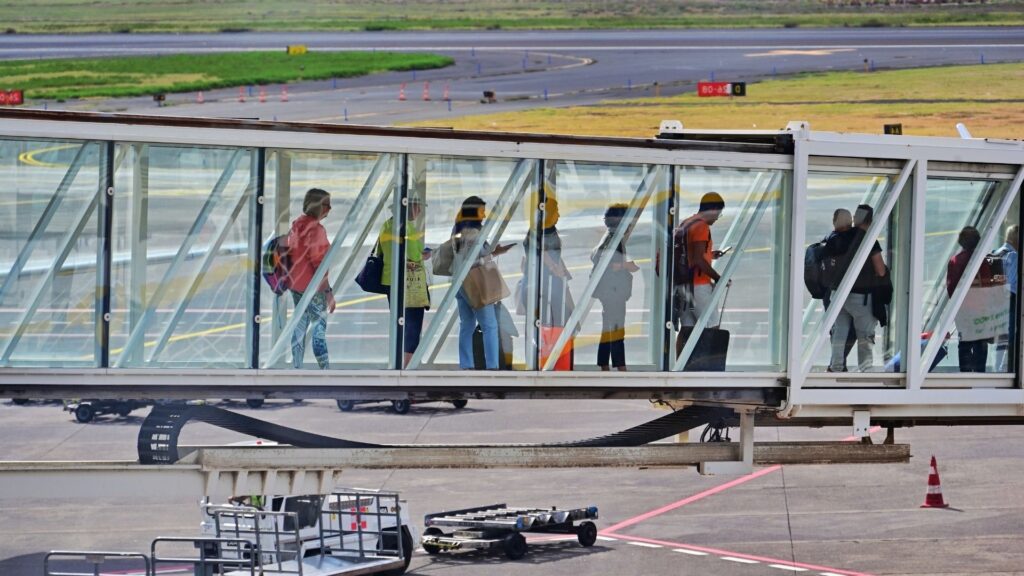
Dulles charged airlines $12.77 per enplaned passenger in 2026. At current traffic, the new debt pushes that figure to somewhere between $62 and $90. On an 186-seat Airbus flying 90% full, that is about $15,000 in airport costs per departure versus roughly $2,100 today, adding an estimated $4.7 million a year for a single daily flight. Dulles carried 14.5 million passengers in 2025; breaking even may require nearly 56 million.
Low-Cost Carriers and Reagan National Could Feel the Squeeze
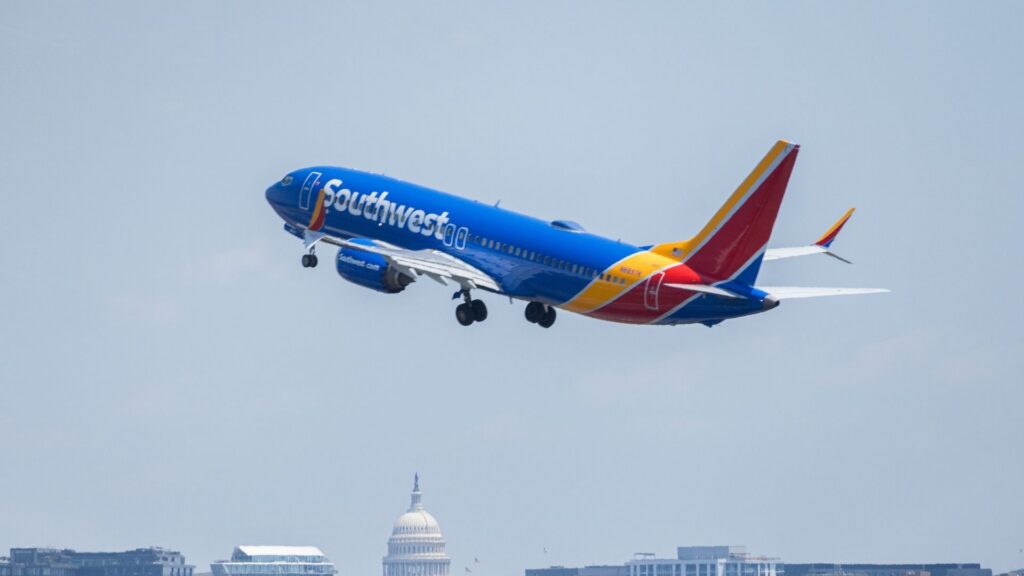
United Airlines and its regional affiliates carried about two-thirds of Dulles passengers in 2025, while Frontier, Southwest, Breeze and Sun Country made up roughly 3%; Southwest has since left the airport. Smaller, non-signatory carriers already pay 15% more than United to operate there. Because Reagan National shares the same governing authority and backs the same bonds, fee increases could spread there too, with American Airlines absorbing part of the cost.
United’s Scott Kirby Pushed for This Version of the Plan
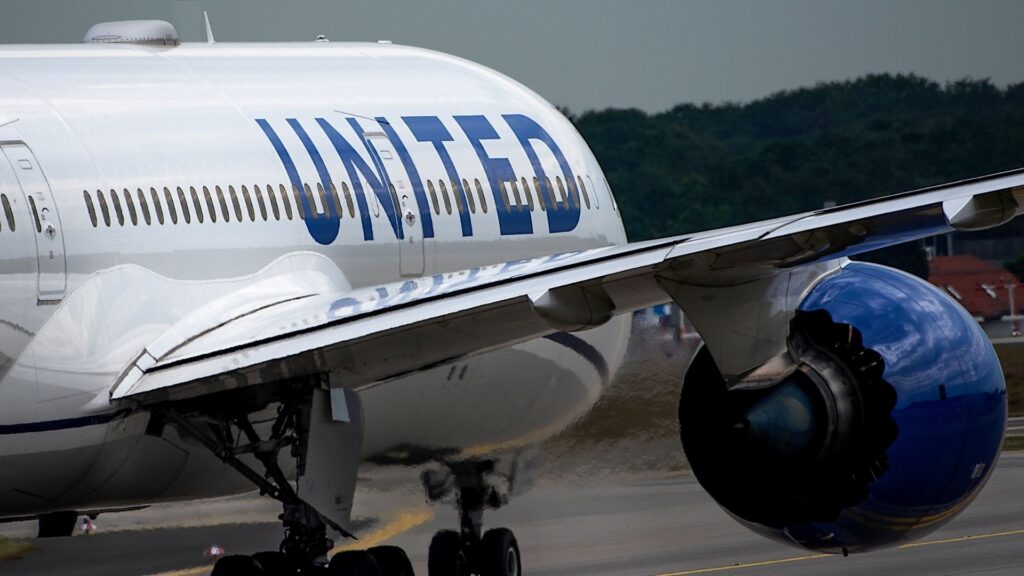
United CEO Scott Kirby became the plan’s leading advocate, meeting personally with Trump to encourage a modernization plan that limited the scope of changes at Dulles, according to CBS News. United, the airport’s dominant carrier, had opposed an earlier proposal that would have handed management to private equity firm BlackRock, arguing it would have limited airlines’ control over gates and operational decisions.
Dulles Once Nearly Lost United as a Hub Carrier
Dulles has struggled financially before. Twenty years ago, former United CEO Jeff Smisek called the airport’s costs a “terrible competitive burden,” and the carrier considered dropping it as a hub. Kirby has cited Pittsburgh, where a new terminal preceded US Airways abandoning that hub. To keep United, the authority shifted $295.4 million from Reagan National’s revenue to Dulles between 2015 and 2024, plus a $50 million Virginia subsidy.
A New Terminal Built in Trump’s Preferred Architectural Style

Trump’s push draws on his executive order mandating neoclassical and Greco-Roman styles for federal buildings, a marked departure from Dulles’ existing terminal, designed by Eero Saarinen and considered a landmark of mid-century modernism. Trump has called the current airport “not a good airport at all,” and unveiled a rendering by Zaha Hadid Architects for a new concourse he proposed naming the Donald J. Trump Terminal.
Construction Timeline Stretches Into the Next Decade
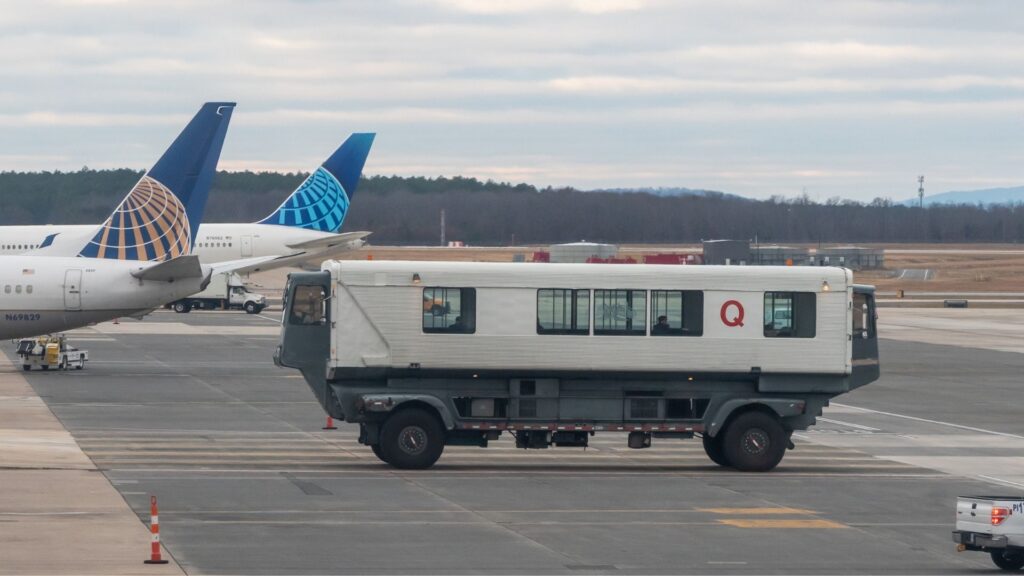
CNBC reports tunnels replacing the aging “People Mover” vehicles, some dating to 1962, break ground in early 2029 and are set to finish by 2034. The master plan says Dulles has enough runway capacity through 2045 but needs at least 154 gates, up from about 130 today, to handle demand without the passenger and baggage bottlenecks the current layout creates.
