

If you are flying to the United States from abroad, expect an extra step before you board. Airlines will ask you to sign a statement that you have not been in the Democratic Republic of the Congo (DRC) in the past 21 days. The requirement took effect at 11:59 p.m. EST on Nov. 3, 2026, and with rare exceptions, anyone who does not sign cannot board.
Why the Rule Exists
Behind the rule is an Ebola outbreak caused by the Bundibugyo virus and concentrated in the DRC. The CDC reported 10,699 confirmed infections and 5,202 deaths across the outbreak as of Nov. 3. The 21-day window matches the longest time Ebola can take to show symptoms after exposure. The CDC calls the declaration a public health measure meant to lower the risk of the virus reaching the US by air.
Who Has to Sign
The requirement applies to US citizens, nationals, and green card holders as well as visitors, and to passengers connecting through the US to another country, whether they leave the plane or stay seated. Crew on passenger and cargo flights are covered, including crew being positioned without operating the aircraft. Land border crossings and seaports are not covered, and territories such as Puerto Rico and Guam do not count as foreign.
What Counts as Being There
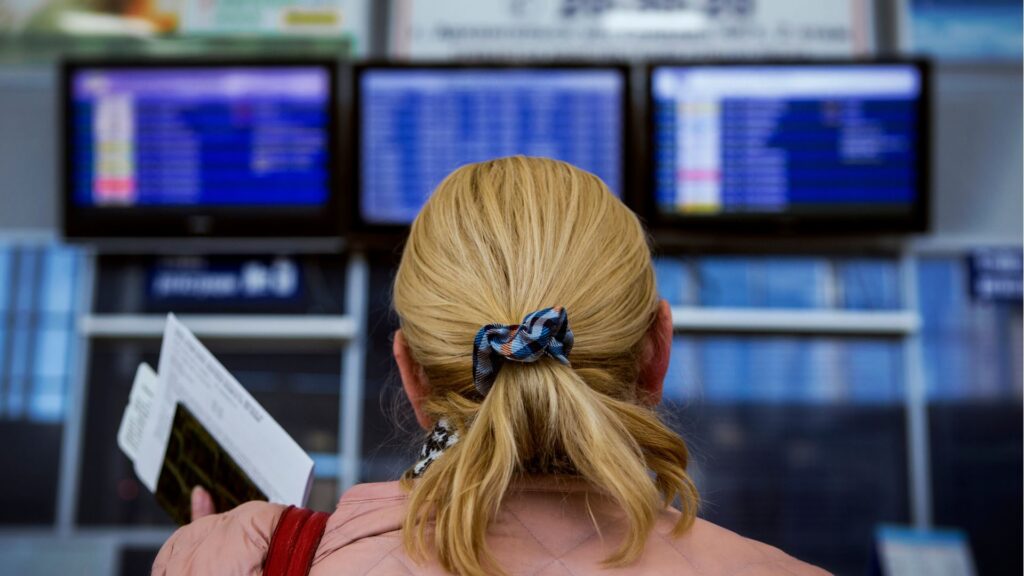
Being in the DRC means physical presence at any point in the 21 days before boarding, by air, land, or sea. A layover counts too, even if you never left the airport or the plane. The clock runs on calendar days, with Day 0 as the day you leave. Leave the DRC on Nov. 10 and Dec. 2 is Day 22, the first day you could board, if other travel requirements are met.
How You Will Be Asked
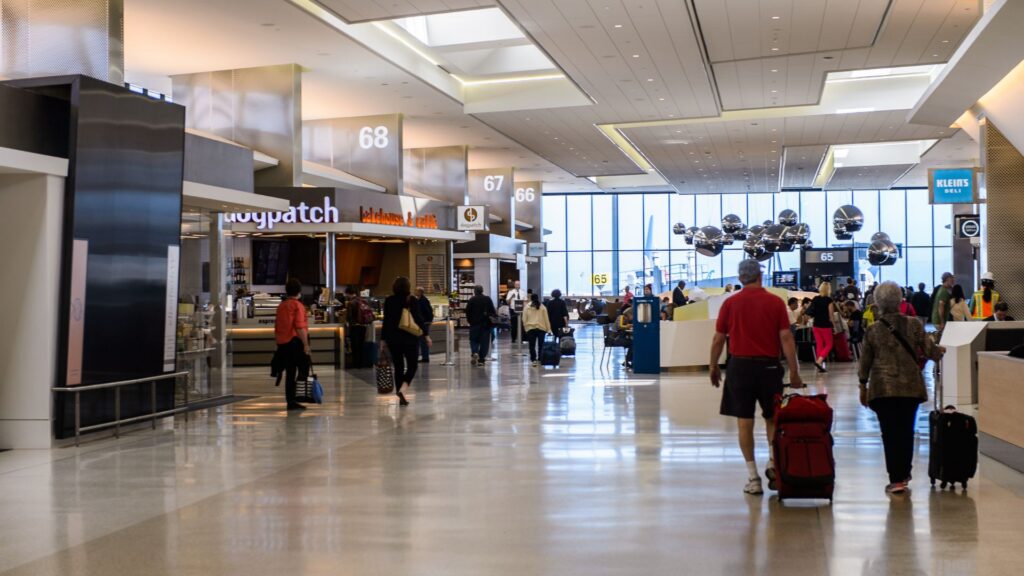
Each airline collects the declaration itself before boarding, and how it does so can differ. Expect a paper form, a digital signature on a screen, or an electronic checkbox. Some airlines may also accept a verbal confirmation, where an agent asks whether you have been in the DRC in the past 21 days and records your answer. It can happen at check-in, at the gate, or elsewhere before boarding. Check with your airline to see how yours works.
Signing for Families

One authorized representative can sign for everyone in a traveling party, although the airline still has to keep a record for each person on board. Parents and guardians can sign for children under 18, and a travel companion can sign for someone who has a disability or is otherwise unable to sign. Airline staff may help with data entry, but you remain the one making the statement.
What Airlines Have to Do
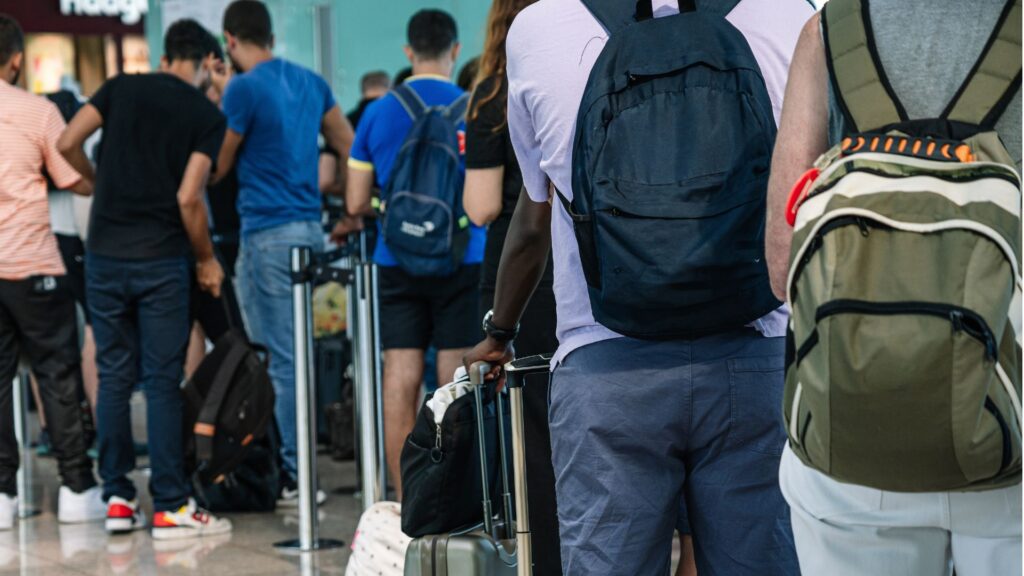
Airlines carry the enforcement load. At or shortly before boarding, they must confirm that everyone aboard, or an authorized representative, has completed the declaration, and keep a copy of each for at least 42 days after the flight arrives in the US. The CDC may request records to check compliance or during a public health investigation. The CDC’s order covers all US-bound flights, including cargo, private, and pre-clearance departures.
Penalties and Exemptions

Willfully providing false or misleading information may lead to criminal fines and imprisonment under 18 U.S.C. § 1001, and the US Department of Justice may seek to prosecute and fine those who knowingly and willfully do so. Exemptions exist but are rare. They may cover designated air medical flights carrying Ebola patients with US government authorization, or people the CDC clears for humanitarian or other important government reasons.
Where the Outbreak Has Spread
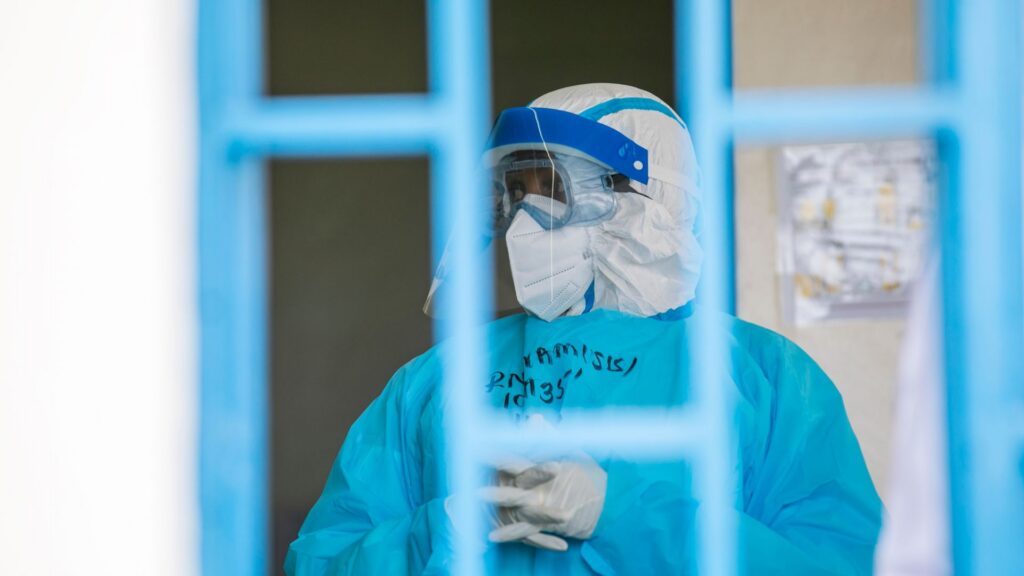
The CDC describes it as the second-largest Ebola outbreak on record. Cases have also been recorded in Uganda and Nigeria, and a man in Kenya died after traveling from the DRC through Uganda to Nairobi. The agency recommends avoiding all travel to the DRC’s Ituri and North Kivu provinces, and nonessential travel to Haut-Uele and Tshopo. Elsewhere in the DRC and in Uganda, it urges travelers to take enhanced precautions.
Before You Fly
No cases tied to this outbreak have been reported in the US as of early November, and the CDC says the overall risk to the American public and travelers remains low. For anyone who has not been in the DRC, the new requirement comes down to one confirmation before boarding, as part of the CDC’s effort to keep that risk low.
