

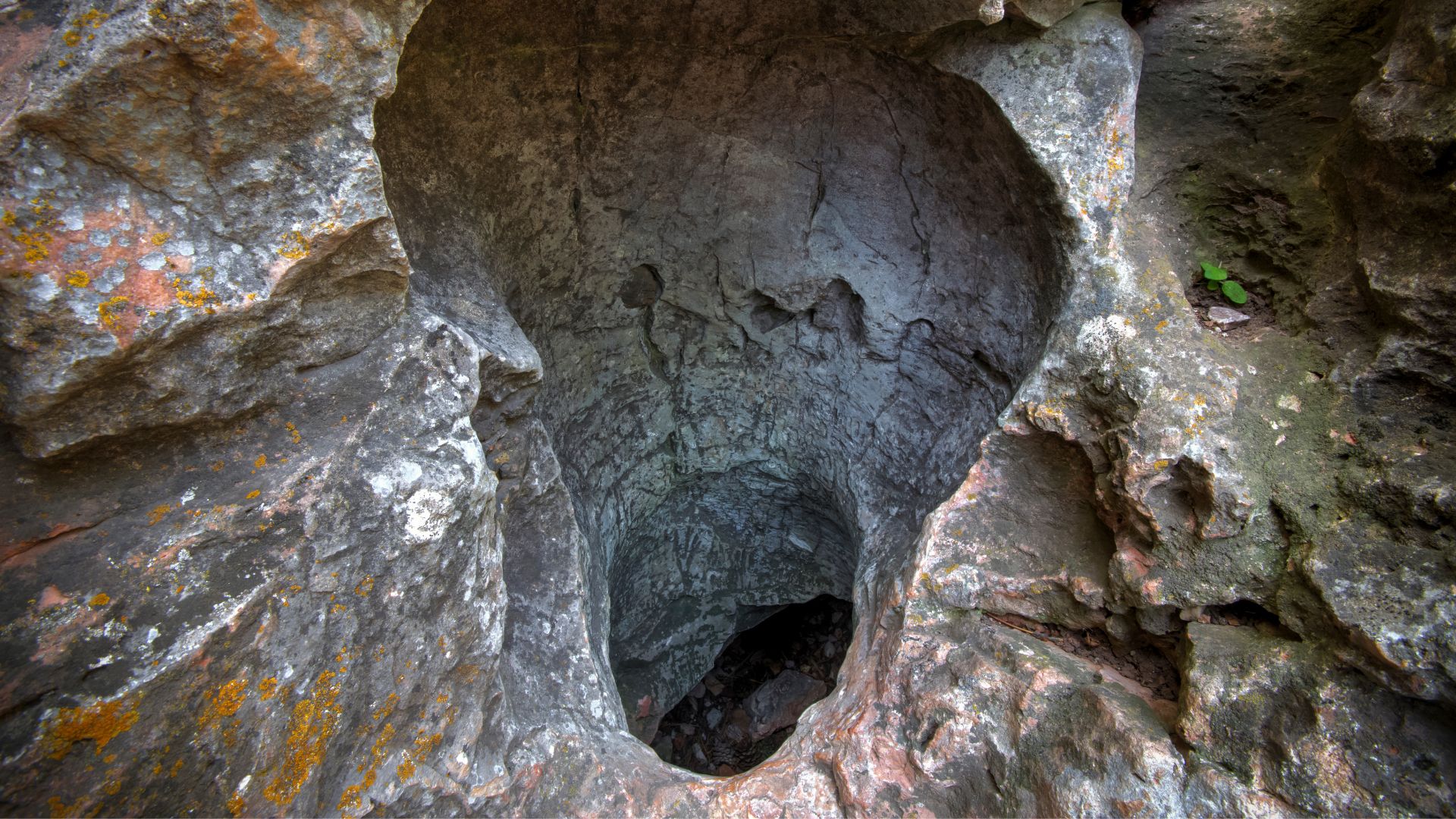
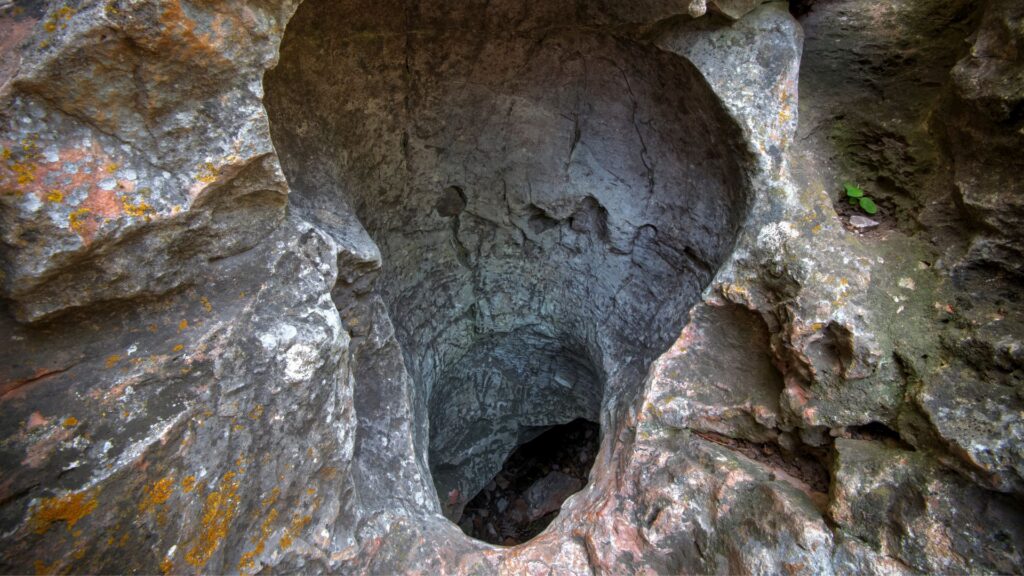
Wind Cave National Park in southwestern South Dakota became America’s first national park to protect a cave when it was established in 1903, making it one of the nation’s oldest parks. More than 150 miles of passages have been documented within the cave system, but experts believe that represents only a fraction of the cave’s full scope, according to the National Park Service. The cave system is still being explored with no end in sight.
The Cave Has Mineral Formations Found Nowhere Else on Earth
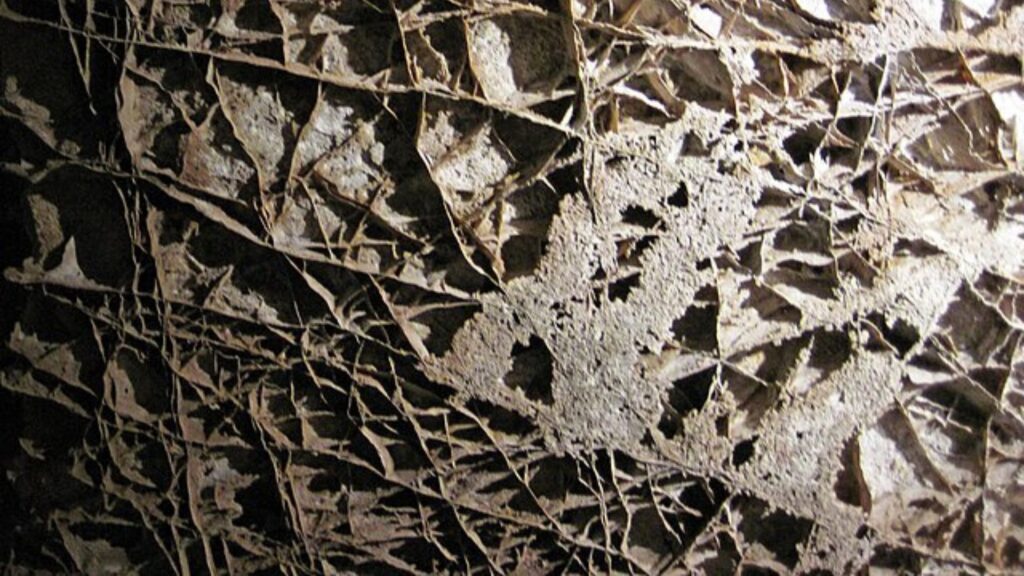
“There are formations in the cave that are specific to Wind Cave and cannot be found anywhere else in the world,” says Carrie Gerlach, owner of Black Hills Adventure Tours. The cave is famous for its boxwork formations, an incredibly rare mineral pattern that visitors can see up close on guided tours. Additional formations include flowstone and cave popcorn. “It is also a geological wonder,” Gerlach says, highlighting the cave’s unique scientific significance beyond its impressive length.
The Cave Holds Deep Spiritual Significance for the Lakota People
The park’s history extends far beyond its 1903 establishment. “Wind Cave has a significant history, as it is considered the creation spot for the Lakota,” says Gerlach, referencing the Lakota Emergence Story that has been passed down through generations. “There are several interpretive signs that walk you through the story about the Native American creation story and history in the Black Hills and, specifically, Wind Cave,” she adds. This cultural heritage gives profound meaning to the geological wonder.
The Park Anchors a South Dakota Road Trip Featuring Iconic Landmarks
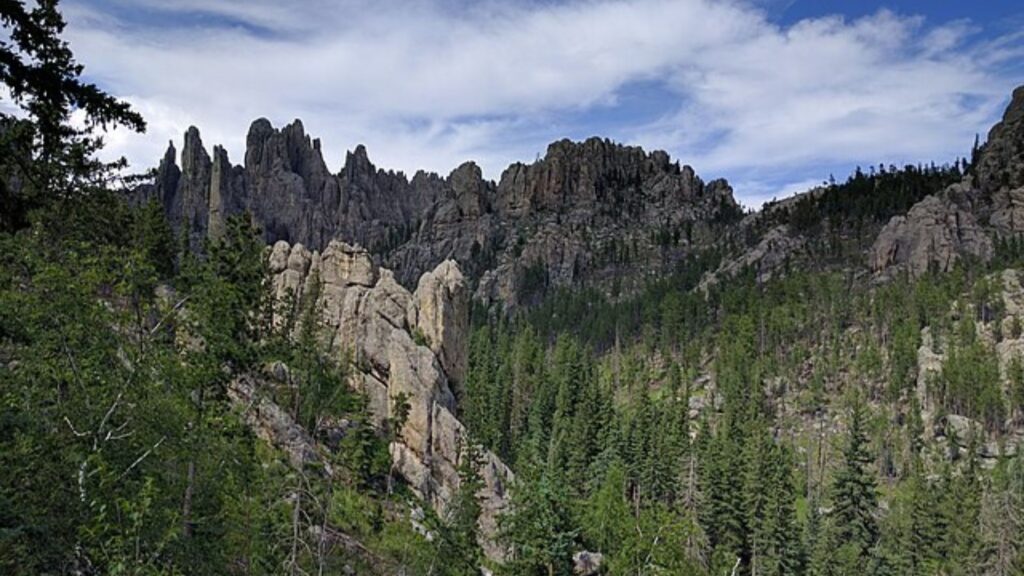
Wind Cave National Park sits in the southwestern corner of South Dakota alongside Mount Rushmore, Badlands National Park, Custer State Park’s bison herd, and the Crazy Horse Memorial. The park spans over 33,000 acres, making it one of the smaller national parks in the United States. Rapid City Regional Airport, served by Delta, United, American, and Allegiant airlines, sits just over an hour’s drive from the park’s visitor center, providing convenient access for travelers.
Cave Tours Require Reservations and Start at Fifteen Dollars Per Adult
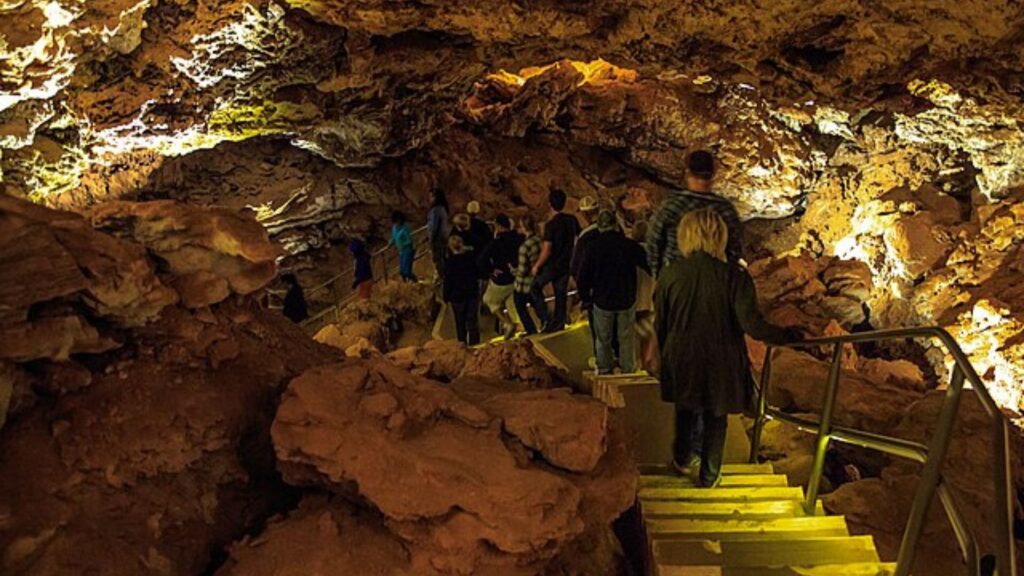
Visitors cannot enter the cave without a guide, so advance tour reservations are required. Tours start at fifteen dollars for one standard adult. While the park has no entrance fee, tour tickets should be booked online. “If you are not able to get a reservation, they do hold back a few tickets for people who walk up,” says Gerlach, who recommends arriving early for the first tour. Afternoon arrivals risk missing out entirely on available spots for the day.
The Cave Stays a Constant Fifty-Four Degrees Year-Round
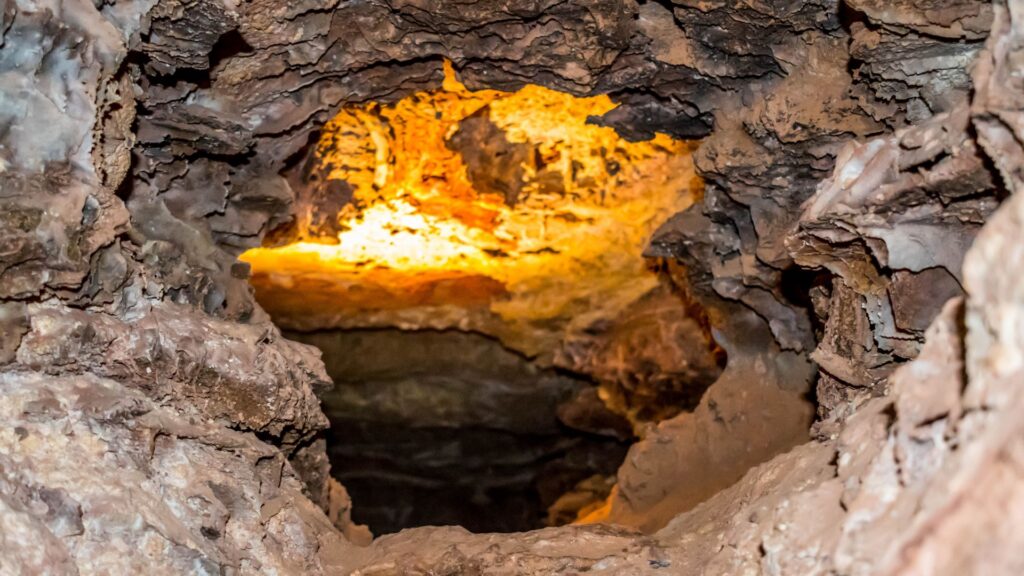
Wind Cave sits about 500 feet beneath the surface, staying at a brisk 54 degrees Fahrenheit throughout the year. Visitors need sturdy shoes with non-slip soles and light jackets for the underground portion of their visit. The shorter tours, including the Garden of Eden and Natural Entrance options, wrap up in about an hour to an hour and a half. This leaves plenty of time to explore other attractions in the region during a day trip, according to Gerlach.
Air Moves In and Out of This Breathing Cave Based on Atmospheric Pressure
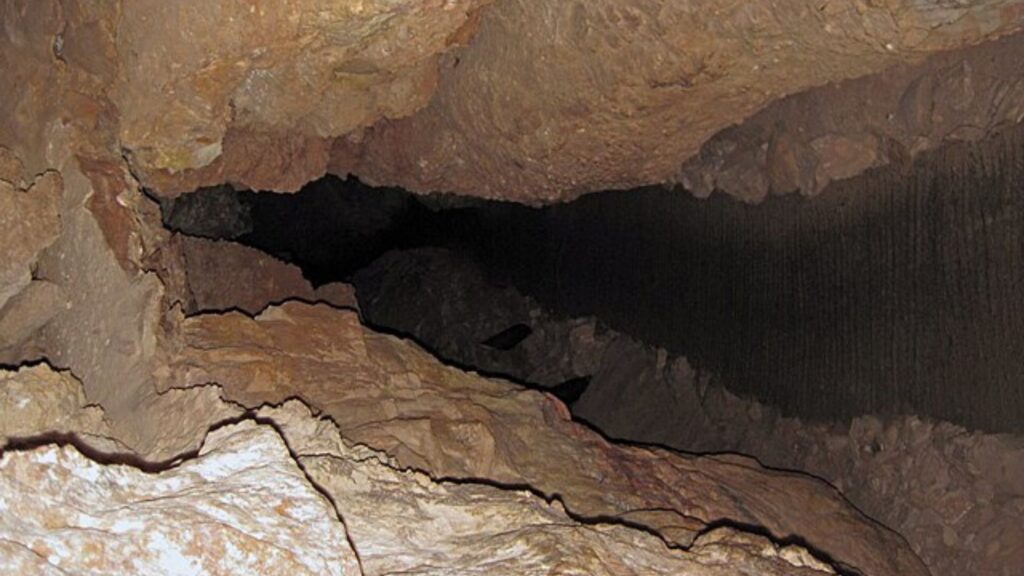
The Natural Entrance tour takes visitors to the largest opening to Wind Cave, an entrance measuring about 10 inches wide, where the cave’s wind can often be felt. Wind Cave is a breathing cave, meaning air moves in and out based on air pressure. The one-hour Garden of Eden tour covers about a quarter mile and provides close-up looks at the cave’s famous boxwork, flowstone, and cave popcorn formations with minimal physical exertion required.
Above Ground, the Park Supports Herds of Bison, Elk, and Pronghorn
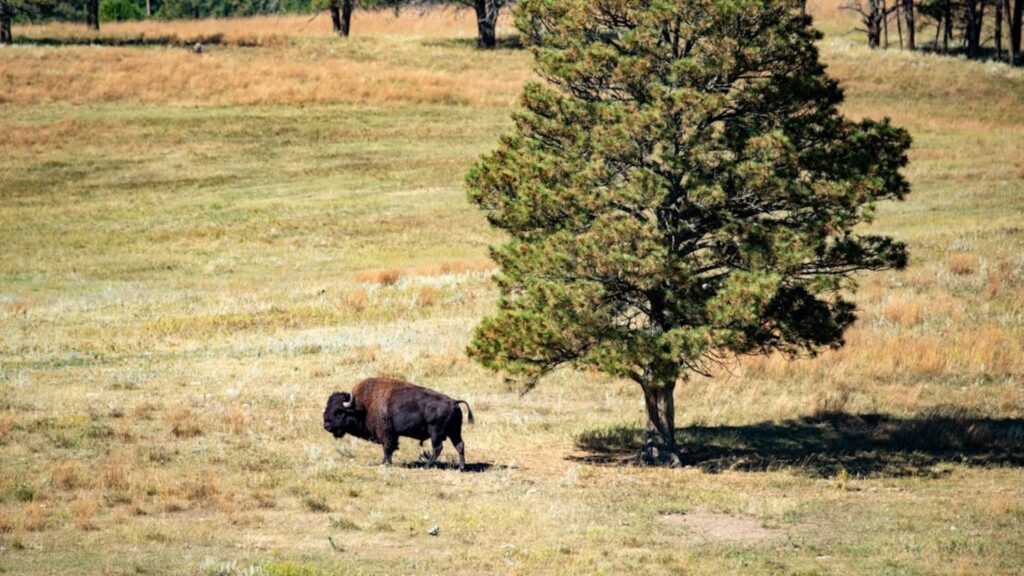
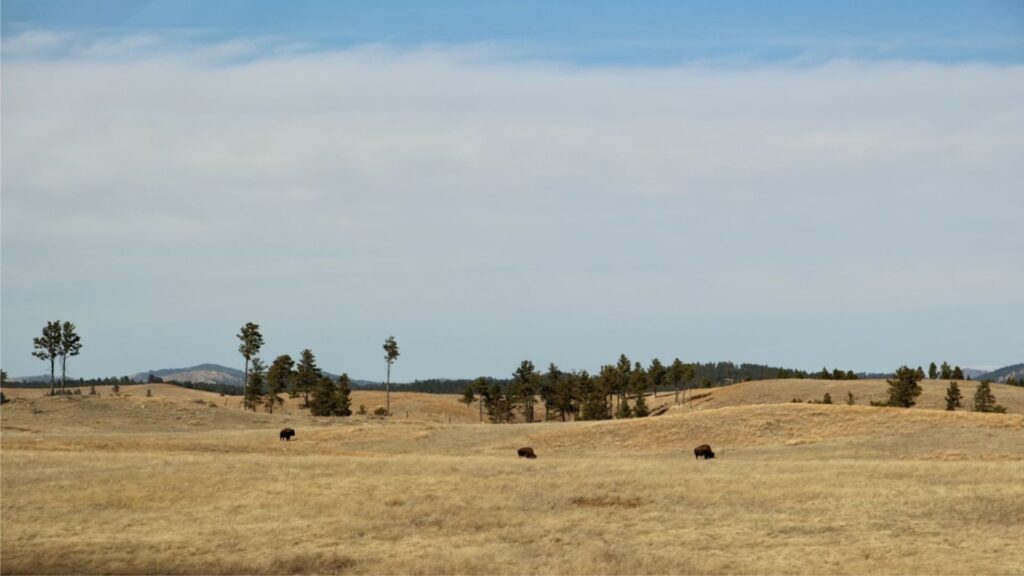
Wind Cave offers wildlife sightings and hiking trails above ground alongside the underground cave system. The park supports herds of bison, elk, and pronghorn, plus prairie dog towns where visitors might spot coyotes, badgers, or burrowing owls. The elk herd, typically found on the park’s eastern side near Boland Ridge, bugles during the September and October rut. “There is nothing like sitting out in the wilderness listening to a herd of elk bugle,” Gerlach says.
Spring and Fall Provide the Best Conditions for Visiting the Park
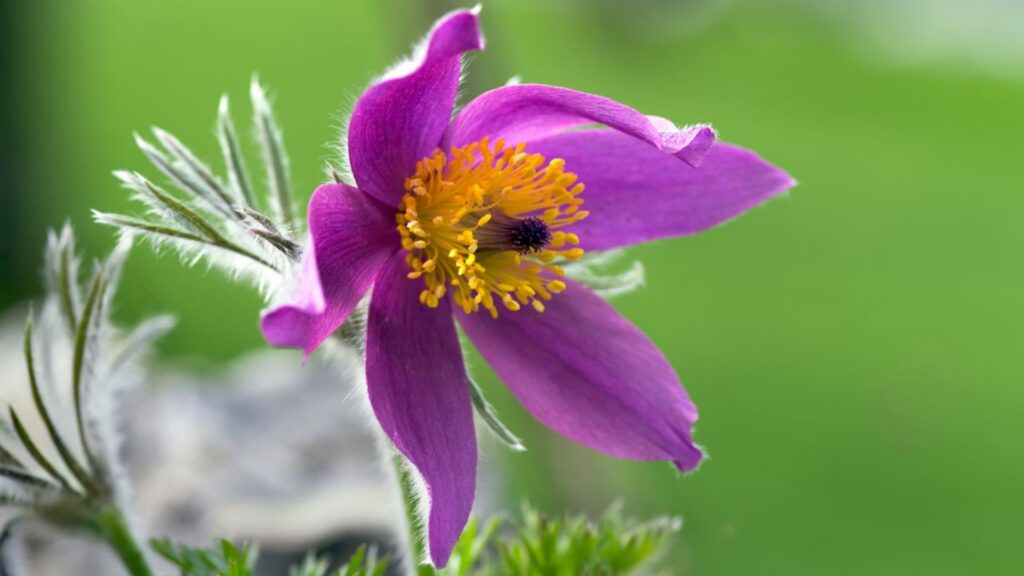
The visitor center operates year-round except Thanksgiving, Christmas, and New Year’s Day, making cave tours available in any season. However, spring and fall offer the best experiences, according to Gerlach. Fall brings golden and yellow colors from aspen and birch trees, plus wild sunflowers. Spring features newborn buffalo and the blooming purple pasque, South Dakota’s state flower. “The spring is very green and lush and gorgeous,” Gerlach says, noting the vibrancy following winter snowfall.
Pack Ahead, as Food Services Near the Park Are Limited and Seasonal
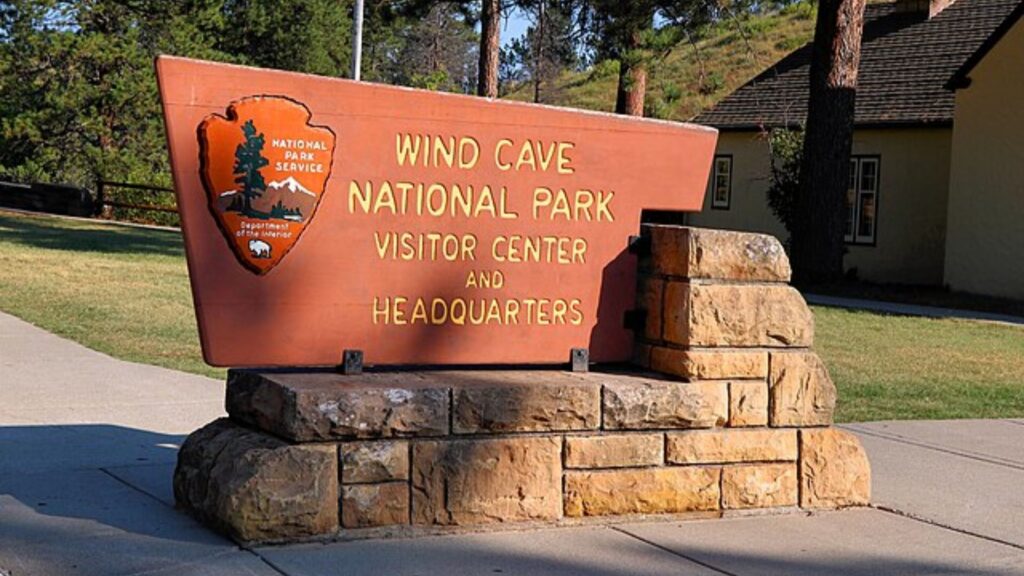
Travelers should pack lunches and make reservations before visiting, as food service near the park is limited and seasonal. The nearest dining options are in Hot Springs, about 16 minutes from the visitor center, and Custer, approximately 25 minutes away. A full-day itinerary combining Crazy Horse Memorial, Custer State Park’s Wildlife Loop, and Wind Cave requires three to four hours at the cave itself, Gerlach says. The park’s 64-site Elk Mountain Campground offers year-round reservations for overnight stays.
