



Every country has its own unwritten rules of etiquette, and travelers who miss them tend to stand out fast. American tourists in Europe are no exception, and travel writers and locals alike have compiled a running list of habits, some rooted in genuine cultural differences, others just travel-fatigue quirks, that tend to draw notice abroad. Here’s what shows up most often.
Naming a Hometown Nobody Outside the U.S. Recognizes

Most Europeans can place New York, Los Angeles or Chicago without much trouble, but smaller American cities rarely register the same way. Naming a hometown like Tulsa or Spokane to a stranger abroad, without any additional context, often lands as confusing rather than informative. Simply saying “I’m from the U.S.” tends to communicate more clearly than a city name that means nothing outside its own region.
College and Souvenir T-Shirts Read Differently Abroad

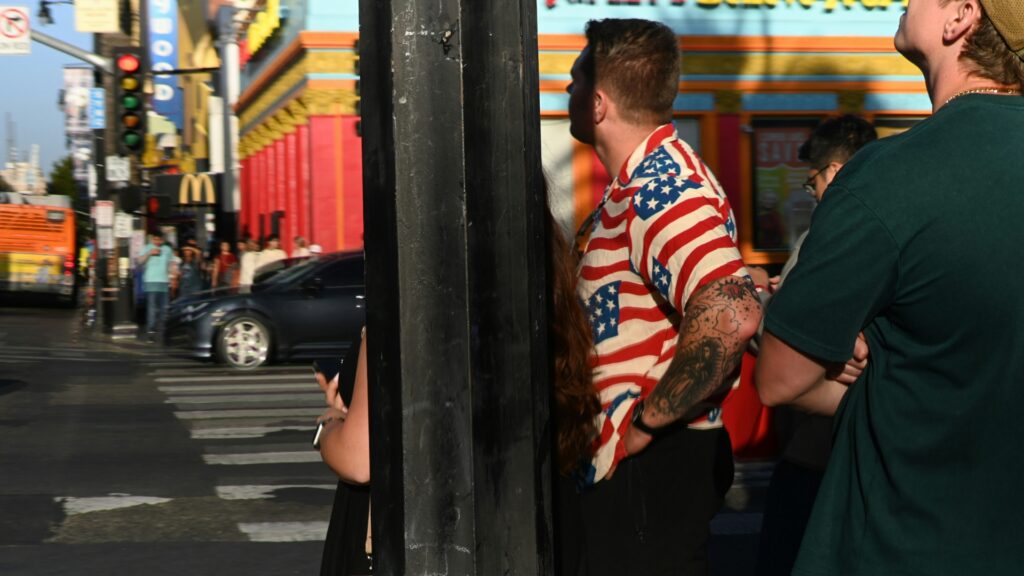
Wearing university, state or national park apparel is unremarkable in the U.S., but the habit reads as unusual in parts of Europe, where branded clothing tends to be reserved for actual affiliation rather than casual travel wear. It’s a small style mismatch more than a real offense, but it’s consistently one of the fastest ways to be spotted as a tourist before saying a word.
Expecting Dollars to Work Outside the U.S.

Some travelers arrive expecting merchants to accept U.S. dollars directly, a habit that doesn’t translate well outside places where the dollar is already the default tender. Currency exchange counters and card payments are standard across Europe, and most businesses simply don’t have a mechanism to accept foreign cash. Exchanging money or relying on a card before arrival avoids the friction entirely.
Striking Up Conversation When None Was Invited

Small talk with strangers, cashiers, fellow train passengers, tour groups, is common social currency in the U.S. In much of Europe, the norm leans more reserved in casual public settings, and unprompted conversation can come across as an imposition rather than friendliness. It’s less a rule than a difference in default social distance, but it’s one American travelers report getting corrected on more than almost anything else.
Underestimating How Much Walking a City Trip Requires

Many European cities were built centuries before cars existed, and getting around still leans heavily on walking and public transit rather than driving. Travelers used to car-dependent American cities sometimes find the amount of walking on a typical European itinerary more demanding than expected. Comfortable footwear and a realistic daily pace go a long way toward avoiding mid-trip fatigue and frustration.
Tipping Habits That Don’t Match Local Wage Laws

In much of Europe, service workers earn a living wage independent of tips, and gratuity functions as a bonus for exceptional service rather than an expected part of the paycheck. In countries like France and Germany, a modest 5 to 10%, or simply rounding up the bill, covers it, and tipping American-style 15 to 20% isn’t necessary and can even read as culturally unaware. Checking the bill for an included service charge first avoids double-tipping.
Portion-Size Culture Shock Runs Both Ways

American restaurant portions, refill policies, and oversized beverage cups are famously large by international standards, and the contrast is often the first thing travelers notice at their first European meal. It’s less that European portions are small and more that American ones set an unusually high baseline. Neither approach is wrong, but the gap catches first-time travelers off guard often enough to be a running joke among locals.
Buying Souvenirs From Familiar American Brands
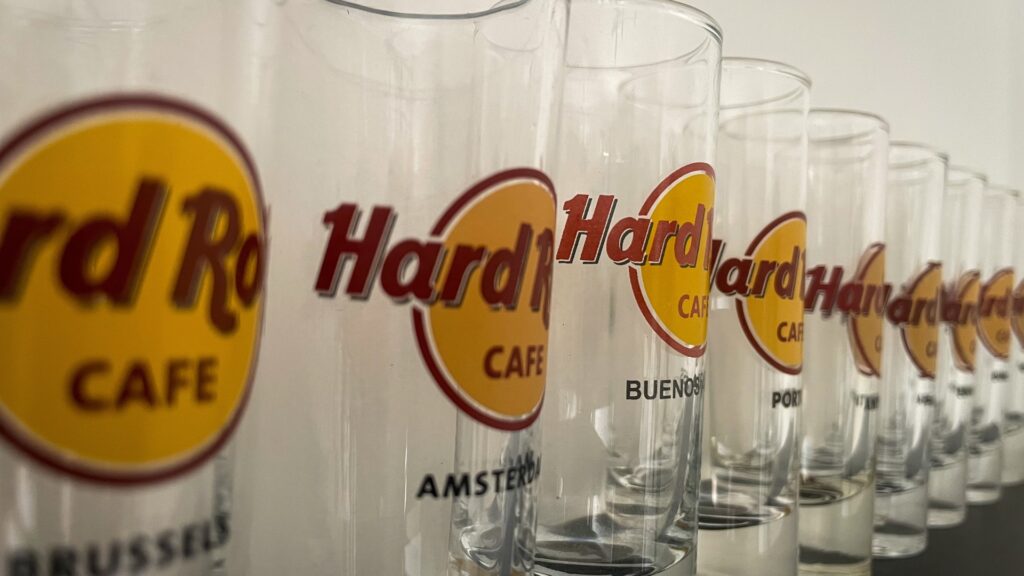
Local shops selling handmade or regionally specific goods are part of what draws travelers to a destination in the first place, yet some visitors default to souvenirs from recognizable American chains instead. It’s an easy habit born of familiarity rather than any real slight, but it’s also one of the more frequently cited missed opportunities, since a city like Rome or Lisbon has far more distinctive keepsakes on offer than a branded mug.
Crediting the Wrong Country for a Dish’s Origin

Food origin mix-ups are a common friction point: pizza traces to Naples, fries are widely credited to Belgium, and countless regional dishes have specific national roots that get flattened in casual conversation. It’s an easy mistake in a country with such a diverse immigrant food culture, but locals abroad do notice when a dish’s origin gets attributed to the wrong place, or claimed as an American invention entirely.
Measuring Every New Place Against Back Home

Comparing a European destination to an American equivalent, “the food’s better in Houston,” “the beaches are nicer in Florida,” is a habit that can undercut the point of traveling somewhere new in the first place. Locals tend to notice when a visitor spends more energy defending home than engaging with where they actually are. Most travel writers frame this less as rudeness and more as a missed chance to actually experience the trip.
None of This Requires an Overhaul, Just Awareness
Most of these habits aren’t really about rudeness, they’re gaps between two sets of social defaults that were never going to line up perfectly. A little research on tipping norms, some comfortable shoes, and a willingness to let go of home-country comparisons cover most of the list. The travelers who blend in best tend to be the ones who arrive expecting things to work differently, not the same.
