

A new industry analysis just answered one of travel’s most argued-over questions: does where you fly from actually change how much you pay for cheap flights? Going, the flight deal service formerly known as Scott’s Cheap Flights, dug into more than 45,000 routes over a full year and found the answer is yes, and the gap between the best and worst airports for deals is bigger than most travelers assume.
The rankings didn’t just chase the single lowest fare of the year. Going’s team scored airports on how deep discounts typically run, how often they show up, and average ticket prices, covering flights sent to members between July 2025 and June 2026. That distinction mattered enough to reshape which cities came out on top compared to a simple “cheapest fare ever” leaderboard.
“A single cheap fare doesn’t tell the whole story,” said Willis Orlando, a flight expert at Going, in a news release. “We built these rankings around what actually matters to travelers: not just the price of the ticket, but how deep the discount is and how often a good deal comes around.” An airport with one incredible fare a year, he said, isn’t nearly as useful as one delivering solid deals every week.
Denver Topped Every Domestic Airport In The Country
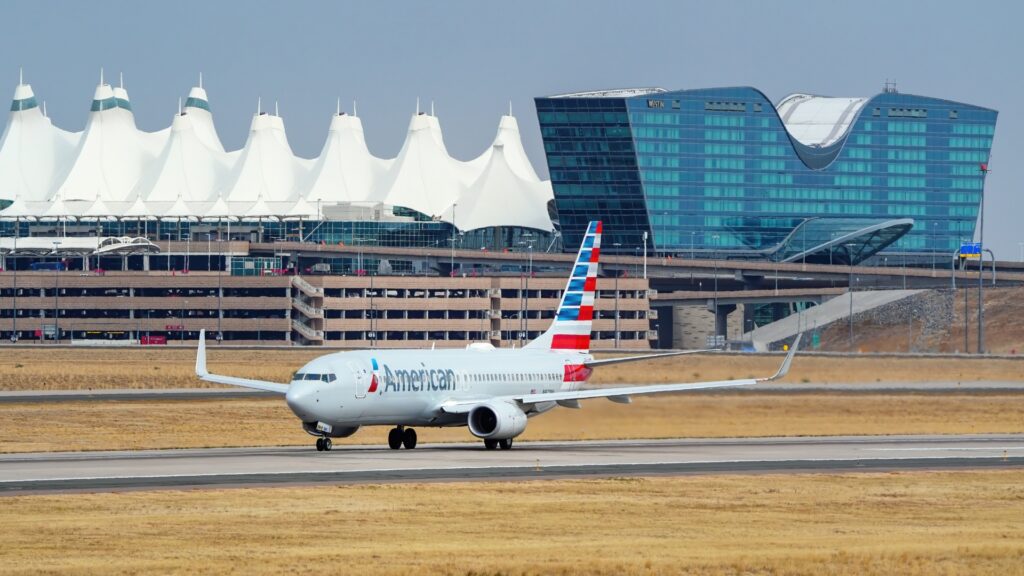
Denver International Airport (DEN) came out on top for domestic deals nationwide, unseating Tampa, last year’s champion, which slid all the way to eighth place. According to Islands, Denver’s average round-trip deal landed around $219, edging out second-place New Orleans at $228. The shakeup follows a rough year for budget flying, including Spirit Airlines’ collapse in May, which trimmed low-cost options at airports nationwide.
Louis Armstrong New Orleans International Airport (MSY) took second place, with Orlando International Airport (MCO) close behind in third. “Denver, New Orleans and Orlando got there in different ways, but the throughline is the same in that more competition means lower fares,” Orlando said. In Denver, United and Southwest are locked in a fare war with Frontier. In New Orleans, Southwest and Breeze are fighting for the same leisure travelers.
Not every airport benefited from that competition. Honolulu’s Daniel K. Inouye International Airport, Maui’s Kahului Airport, and Ted Stevens Anchorage International Airport landed at the bottom of the domestic rankings. Limited route competition and geographic isolation make it harder for carriers to undercut each other on price the way they can in cities like Denver or New Orleans, where multiple airlines are fighting over the same routes.
Boston Quietly Became The Best Airport For International Bargains
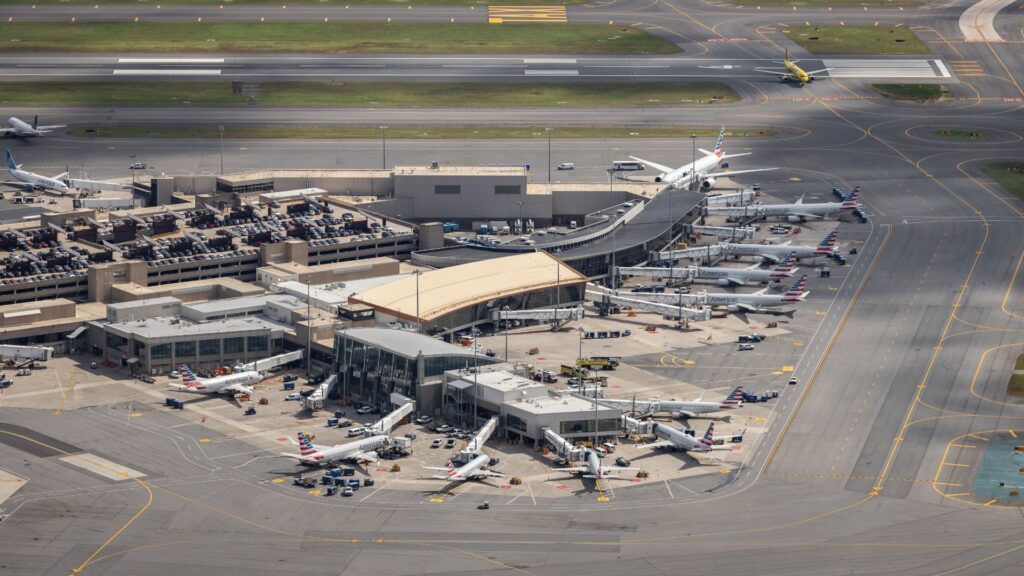
For travelers chasing deals overseas, Boston Logan International Airport (BOS) claimed the top international spot, a result tied partly to Delta’s expansion. According to reporting on the rankings, Delta added new European routes to Madrid and Nice in 2026, part of a broader 5% year-over-year jump in European passenger traffic recorded that July. That extra capacity out of Boston translated directly into more frequent discounts for flyers.
New York’s John F. Kennedy International Airport (JFK) took second place internationally, with Newark Liberty International Airport (EWR) rounding out the top three. Orlando, the Going expert, described the trio as the country’s primary East Coast gateways to international travel. Notably, JFK didn’t crack the domestic top 10 at all this year, a reminder that an airport’s strength on one side of a booking doesn’t guarantee the same on the other.
The international bottom tier told a different story. Kahului Airport and Ted Stevens Anchorage International Airport ranked among the worst for both domestic and international deals, while Oakland San Francisco Bay Airport (OAK) joined them on the international list. Distance from major overseas hubs and thinner airline competition on long-haul routes make it tougher for these airports to generate the kind of frequent discounts travelers see out of Boston or New York.
American Airlines Led Every Carrier In Deal Frequency
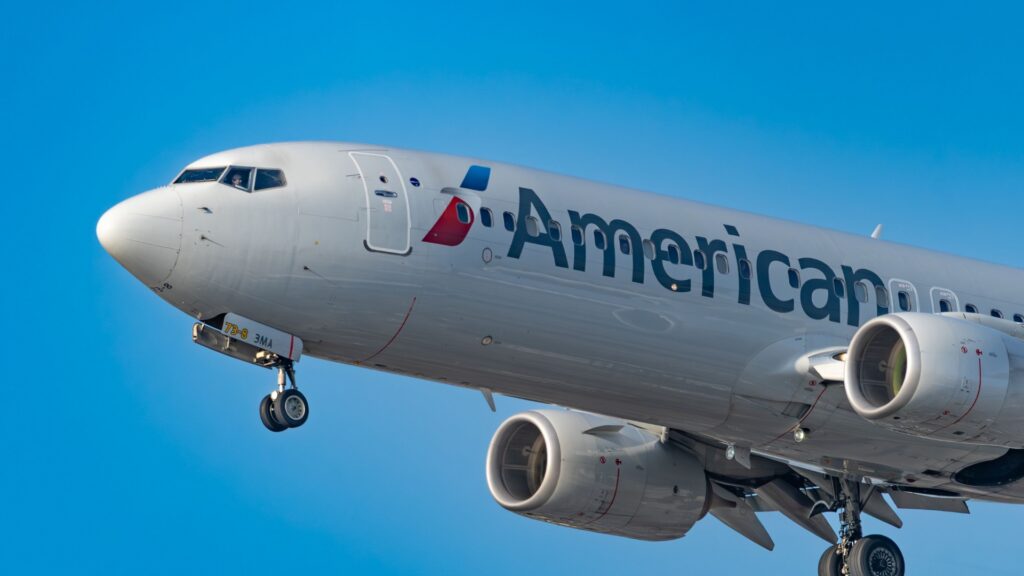
Based on deal frequency, American Airlines ranked first among domestic carriers, followed by Delta Air Lines and Southwest Airlines. United Airlines came in fourth, with Alaska Airlines and Hawaiian Airlines tied for fifth following Alaska’s 2024 acquisition of Hawaiian. JetBlue rounded out sixth place. “While American takes the cake for the most deals, it’s really the Big 3 plus Southwest all landing in the same ballpark,” Orlando said.
Going only analyzed full-service carriers, leaving budget airlines like Avelo and Breeze out of the airline rankings entirely, even though Breeze factored into New Orleans’ airport-level competition. On the international side, United, American and Delta swept the top three spots, followed by Air Canada, British Airways and JetBlue. Orlando attributed the pattern to the same force driving airport rankings: steep competition and fare wars between major carriers.
Where a trip starts, in other words, carries a financial weight beyond simple logistics. Flying out of an airport with heavy carrier competition, like Denver, New Orleans or Boston, puts fare wars to work in a traveler’s favor before they’ve even picked a destination. For anyone booking their next trip, the data suggests the departure airport deserves as much scrutiny as the ticket price itself.
