

Dropping a few hundred extra dollars on insurance can feel like an easy expense to skip when you’re already paying for flights, hotels and excursions. But travel agents say that decision has sent at least one client home with a six-figure medical bill and no way to pay it. Whether travel insurance is worth the cost depends less on your trip’s price tag and more on what you stand to lose.
The Coverage Most Policies Actually Include
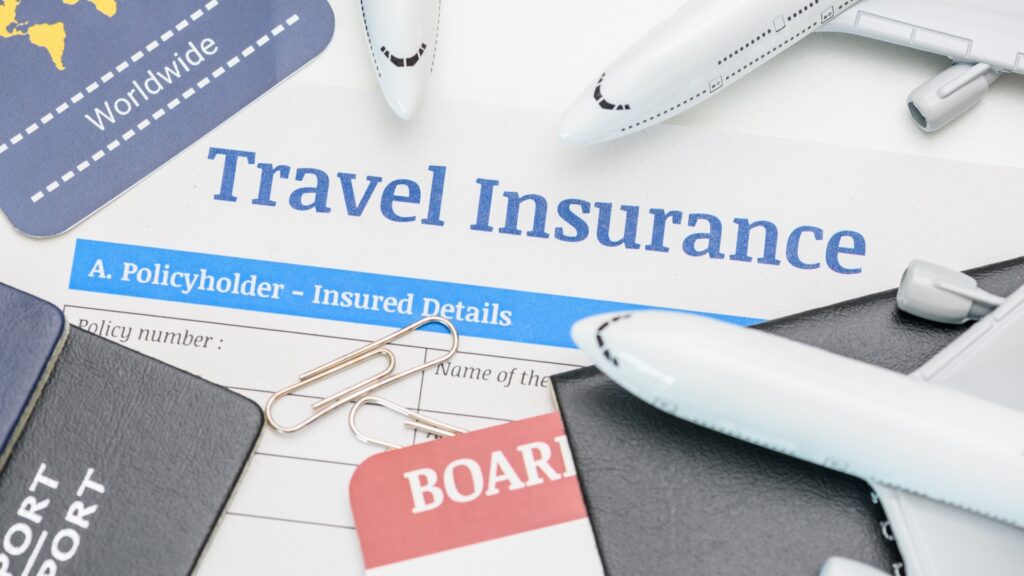
A standard travel insurance policy can reimburse lost or delayed baggage, delayed flights, airline bankruptcies and medical emergencies, along with non-refundable costs like trip cancellations for specific covered reasons. Travelers typically pay out of pocket first, then submit receipts and documentation to the insurer for reimbursement. Coverage details vary significantly by policy, which is why experts say reading the fine print matters as much as buying at all.
The Exclusions That Catch Travelers Off Guard

According to Chrissy Valdez of Squaremouth, insurers typically won’t reimburse travelers for missing a flight due to oversleeping or forgetting documents, or for cancellations made simply because plans changed. Routine or pre-existing medical care is excluded too, along with injuries sustained while under the influence or while participating in high-risk activities like scuba diving, skydiving or bungee jumping. Lost luggage contents also carry tight reimbursement limits.
There’s a Pricier Upgrade for Travelers Who Want More Flexibility

Standard policies won’t cover a simple change of heart, but Cancel For Any Reason coverage will, up to a point. Insurers will only reimburse 50% to 75% of the total trip cost under a CFAR upgrade, and the window to buy it is narrow. Most insurers require travelers to purchase CFAR within roughly 14 days of putting down their initial trip deposit, according to World Nomads.
The Real Price Tag on a Policy

Travel insurance typically runs 4% to 10% of a trip’s total cost, according to Squaremouth data. A basic plan with limited coverage can cost as little as $5 a day for a weeklong trip, while a policy with maximum CFAR protection can climb past $70 a day. The gap between the cheapest and most comprehensive options is wide enough that shopping around matters as much as deciding whether to buy at all.
Your Age Can Double or Triple the Price

Premiums climb sharply for older travelers, largely because of increased medical risk. A young adult might pay $1 to $3 per day of travel, while a senior citizen paying for the same coverage could spend $15 to $30 a day, according to Doug Gulleson of Good Neighbor Insurance. Data from MoneyGeek shows a 65-year-old paying nearly double what a 30-year-old pays for an identical $5,000 trip, with the gap widening further with age.
One Client’s ATV Accident Cost Over $100,000 to Fix

Shavon Roman, a former financial advisor now working as a money strategist, recalls a client injured in an ATV accident while vacationing in Jamaica. The medical flight home cost well over $100,000, an expense travel insurance would have covered. Without a policy in place, Roman says her client had to turn to family and friends and ask for help raising the money just to get home.
Cruises Come With a Coverage Gap Most Passengers Miss
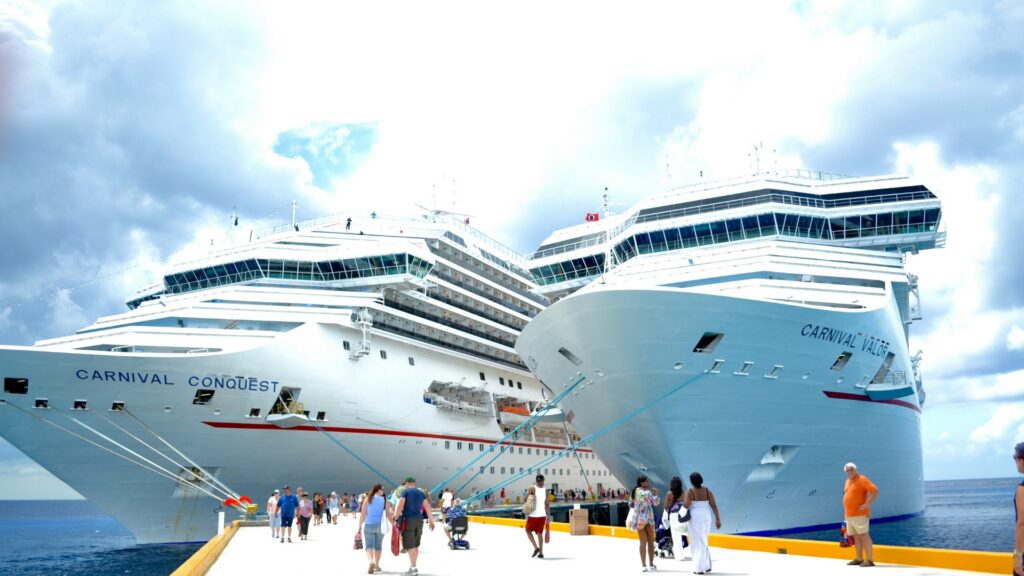
Experts strongly recommend travel insurance for cruises, but not for the reason most passengers assume. Travel agent Phyllis Polaner of SmartFlyer notes that most cruise line travel protection plans stop covering passengers the moment they step off the ship. That leaves excursions, port stops, and any pre- or post-cruise travel arranged independently unprotected unless a separate comprehensive policy is purchased.
Airbnb’s Built-In Option Isn’t Always Enough
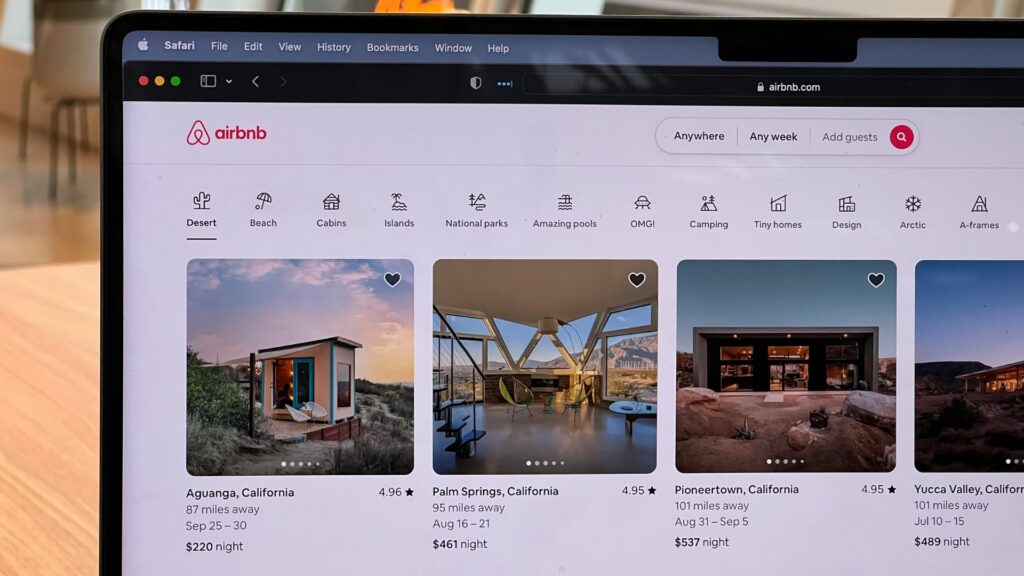
Booking an Airbnb adds the option to purchase coverage through the platform’s partnership with Generali, typically around 6% to 7% of the reservation cost, covering cancellations, medical costs, and damaged belongings. But experts say travelers with other non-refundable expenses, like flights, rental cars or tours, often need broader comprehensive coverage instead, especially for international trips where domestic health insurance won’t apply.
What You’d Lose Without It Matters More Than the Premium
Travel insurance isn’t a blanket requirement for every trip. Short, refundable domestic getaways with solid health coverage often don’t need it. But for cruises, international travel, high-risk activities or any trip loaded with non-refundable costs, experts agree the math favors buying it. The real calculation comes down to one number: what a canceled trip, a medical evacuation or a stolen bag would actually cost without a policy in place.
