

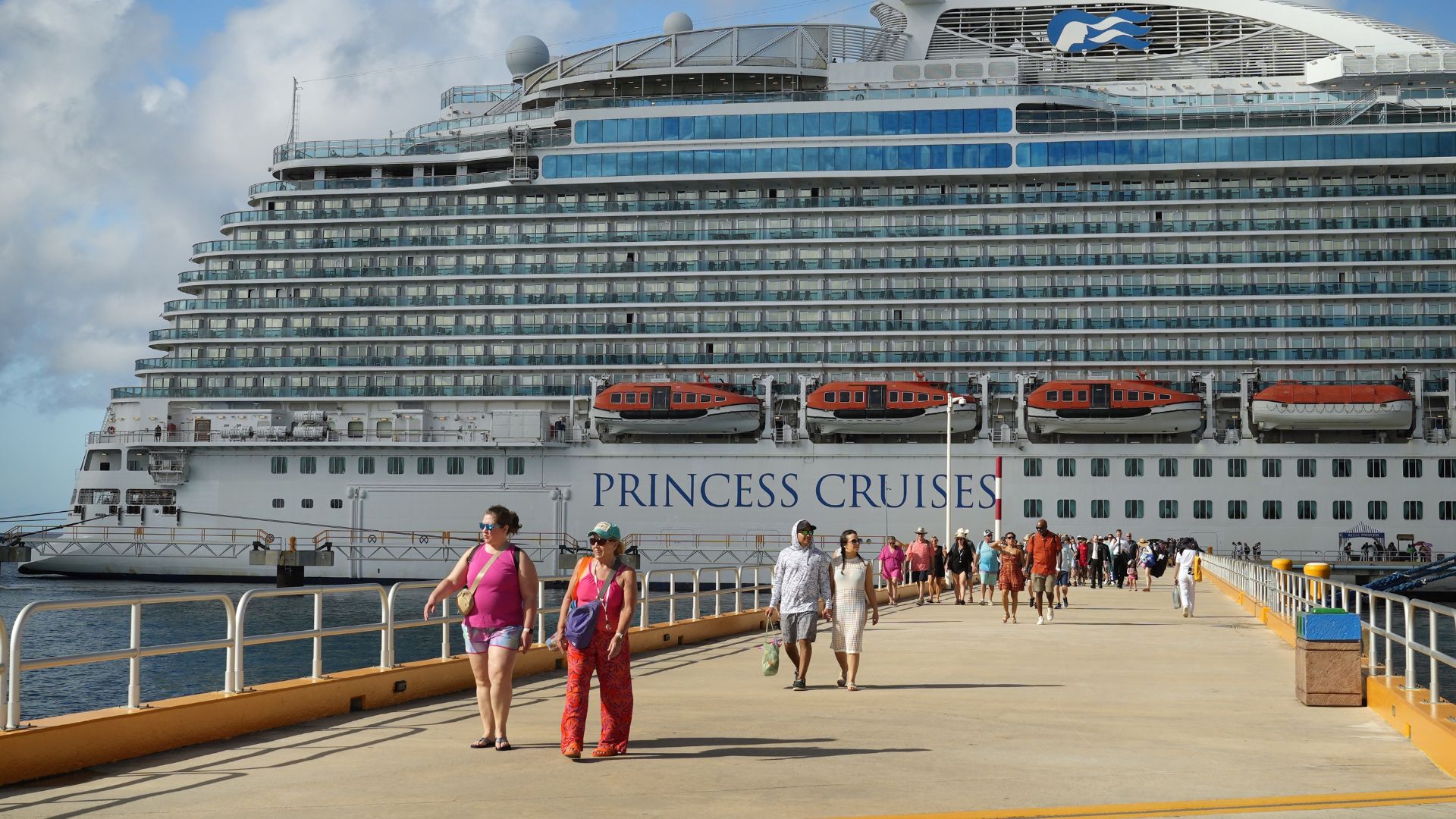
Cruise passengers visiting Mexico are now paying more to step off the ship. On Aug. 1, the country’s fee for foreign travelers arriving by cruise doubled, jumping from $5 to $10 per person. The charge, known as the Non-Resident Duty, is the first of several scheduled increases set to continue through 2028, affecting millions of tourists drawn to the country’s beaches and ancient ruins each year.
How the Fee Works and What’s Coming Next
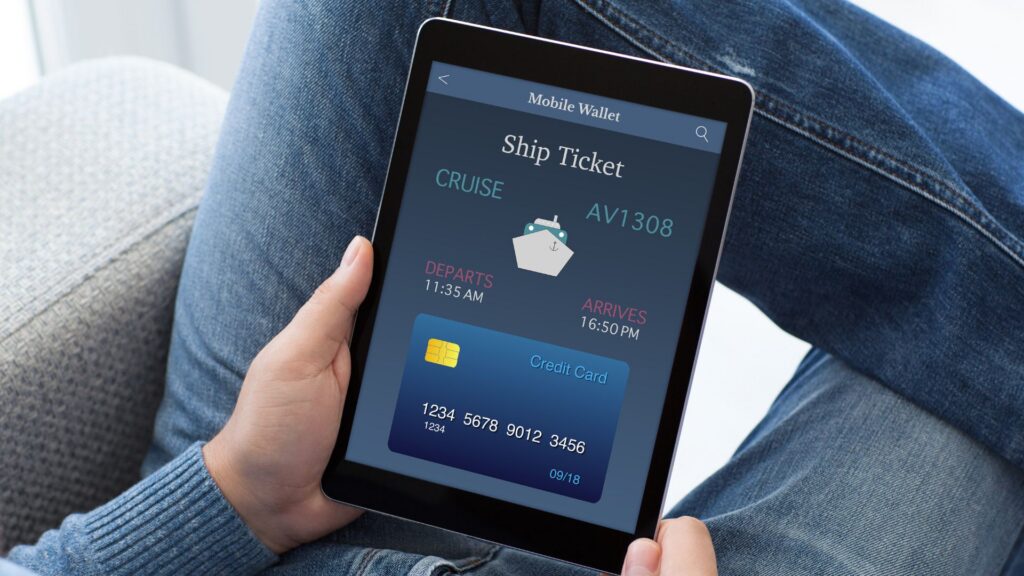
The Non-Resident Duty is collected from passengers by cruise lines or shipping agents, typically folded into the cost of booking. The Aug. 1 hike is only the beginning. The fee is scheduled to climb again to $15 on July 1, 2027, then to $21 on Aug. 1, 2028, according to the terms of the agreement between Mexico and the cruise industry.
The $42 Tax That Almost Happened
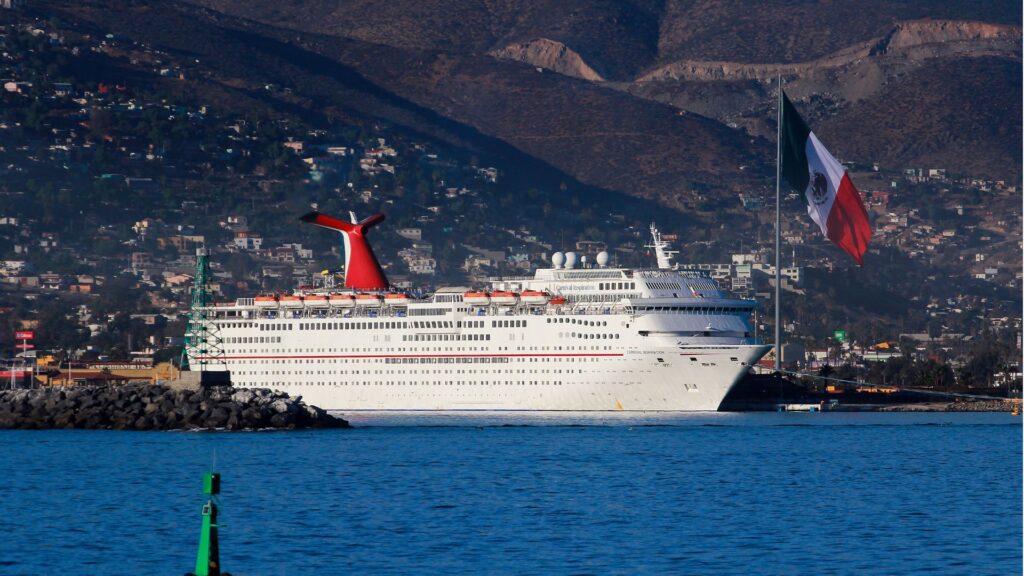
Mexico’s current fee traces back to a much steeper proposal. In December 2024, the country’s Congress voted in favor of a $42 tax on every cruise passenger arriving at a Mexican port, according to USA Today. The tax was originally set to take effect Jan. 1, 2025, before pushback from the cruise industry forced a renegotiation of the terms before it ever took hold.
Cruise Industry Pushes Back Hard
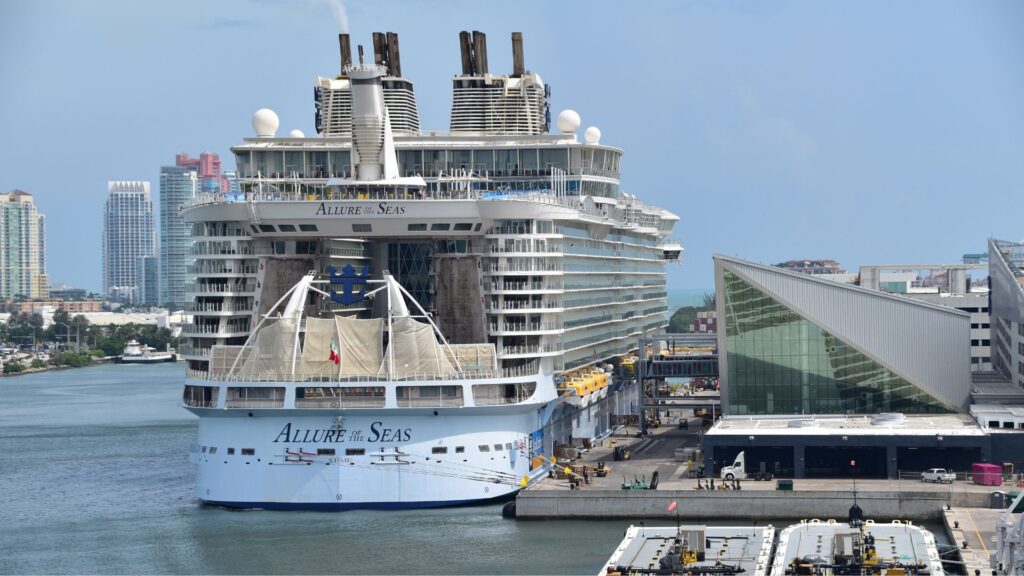
The Florida-Caribbean Cruise Association, which represents cruise lines including Carnival and Royal Caribbean, fought the $42 tax proposal. In a press release, the group warned of “far-reaching consequences,” including lower demand for Mexico cruise itineraries and broader “economic ripple effects.” The FCCA also cited concerns over potential economic fallout for Mexico’s coastal communities and the significant financial impact the tax would have placed on passengers.
How Mexico and Cruise Lines Reached a Deal
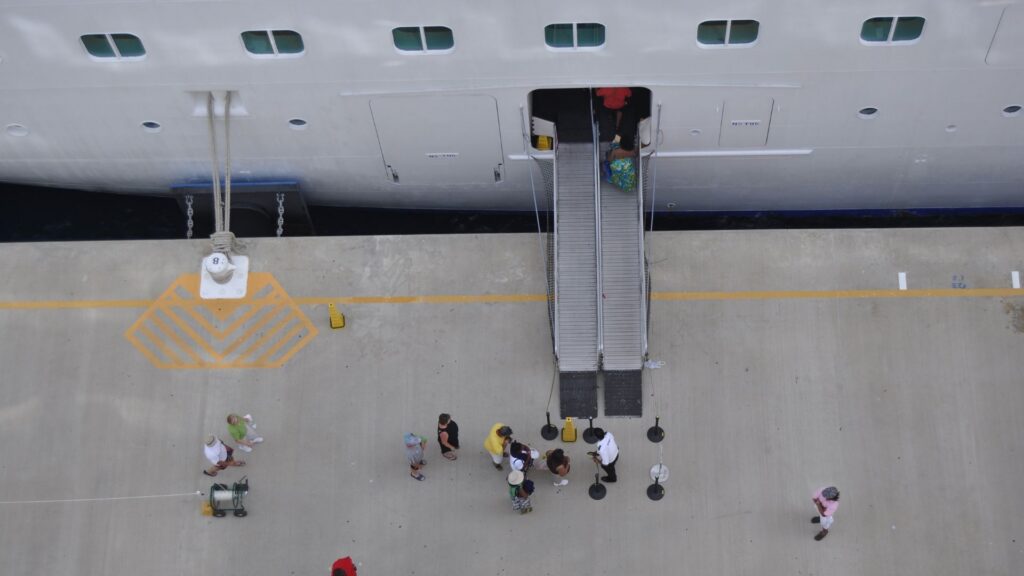
Following negotiations between the FCCA and the Mexican government, a $5 fee with scheduled increases went into effect on July 1, 2025, replacing the original $42 tax proposal. The FCCA credited the deal to cooperation with Mexican officials, noting its member cruise lines represent more than 95% of cruise capacity across the Caribbean and Latin America, according to a statement given to Fox News.
A Travel Expert Weighs In on Rising Fees

Not everyone considers the increase a dealbreaker, but the uptick has some travel experts concerned. Clinter Henderson, managing editor of travel site The Points Guy, told Fox News that prices for travel are climbing across the board. Speaking as a consumer rights advocate, he called the trend frustrating, noting that travelers keep facing new taxes and fees tied to nearly every part of a trip.
Cruise Traffic to Mexico Keeps Climbing
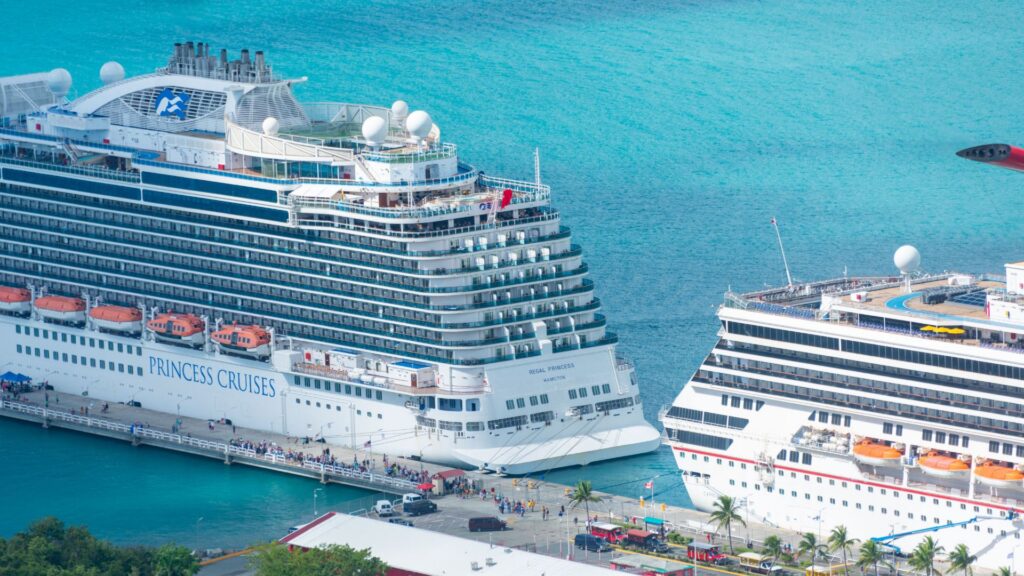
The fee hikes come as cruise tourism to Mexico continues to surge. In 2025, the country welcomed 11.2 million cruise passengers across 3,156 ship arrivals, according to Mexico Business News, citing data from the Ministry of Tourism. That marked a 12% jump in passenger traffic and a 10.7% increase in ship calls compared to the previous year, underscoring the industry’s growing footprint along Mexico’s coastlines.
One Fee, Even With Multiple Stops
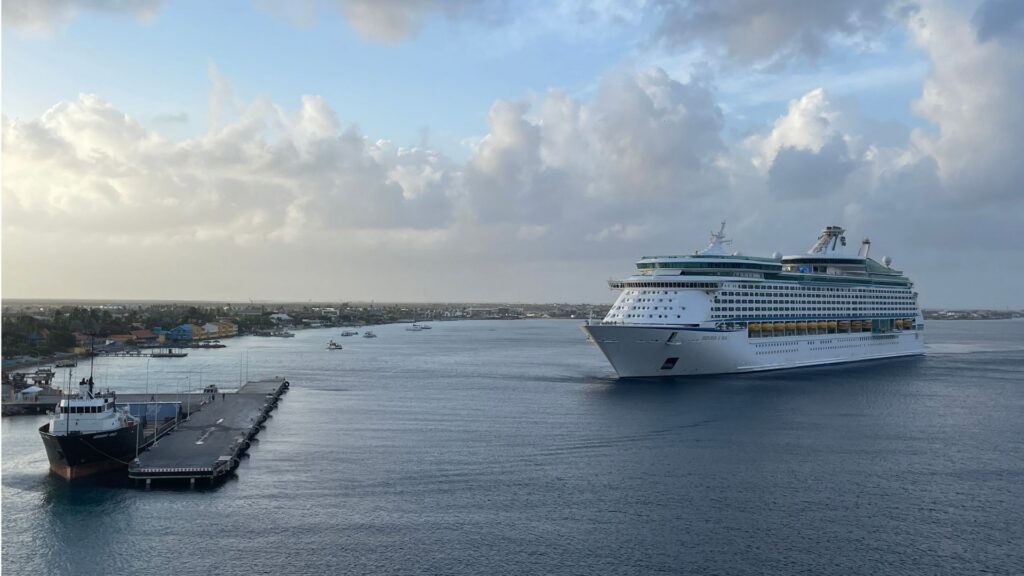
Not every cruise passenger will pay the fee more than once. Travelers on multi-destination itineraries with several ports of call in Mexico are only required to pay the Non-Resident Duty a single time, as long as they remain on the same cruise itinerary throughout the trip. The rule spares frequent island-hopping travelers from repeated charges at each stop along the way.
Mexico Isn’t Alone in Raising Tourist Costs

Mexico is one of several destinations weighing higher costs for cruise visitors. In May, Barcelona Mayor Jaume Collboni proposed doubling the city’s daily municipal surcharge on short cruise stopovers from 4 to 8 euros, according to Spanish newspaper El País. The proposal targets cruises spending less than 12 hours in the city, is still awaiting city council approval, and is unlikely to take effect until after 2027.
Not Every Cruise Fee Proposal Survives

Not every new charge on cruise travelers has taken hold. In Hawaii, a proposed “Green Fee” tax on cruise passengers, meant to fund climate-resiliency projects, was blocked by the Ninth Circuit Court of Appeals on Dec. 31, 2025, just a day before it was set to take effect. The Cruise Lines International Association had sued over the fee in August 2025, arguing it violated federal law.
