

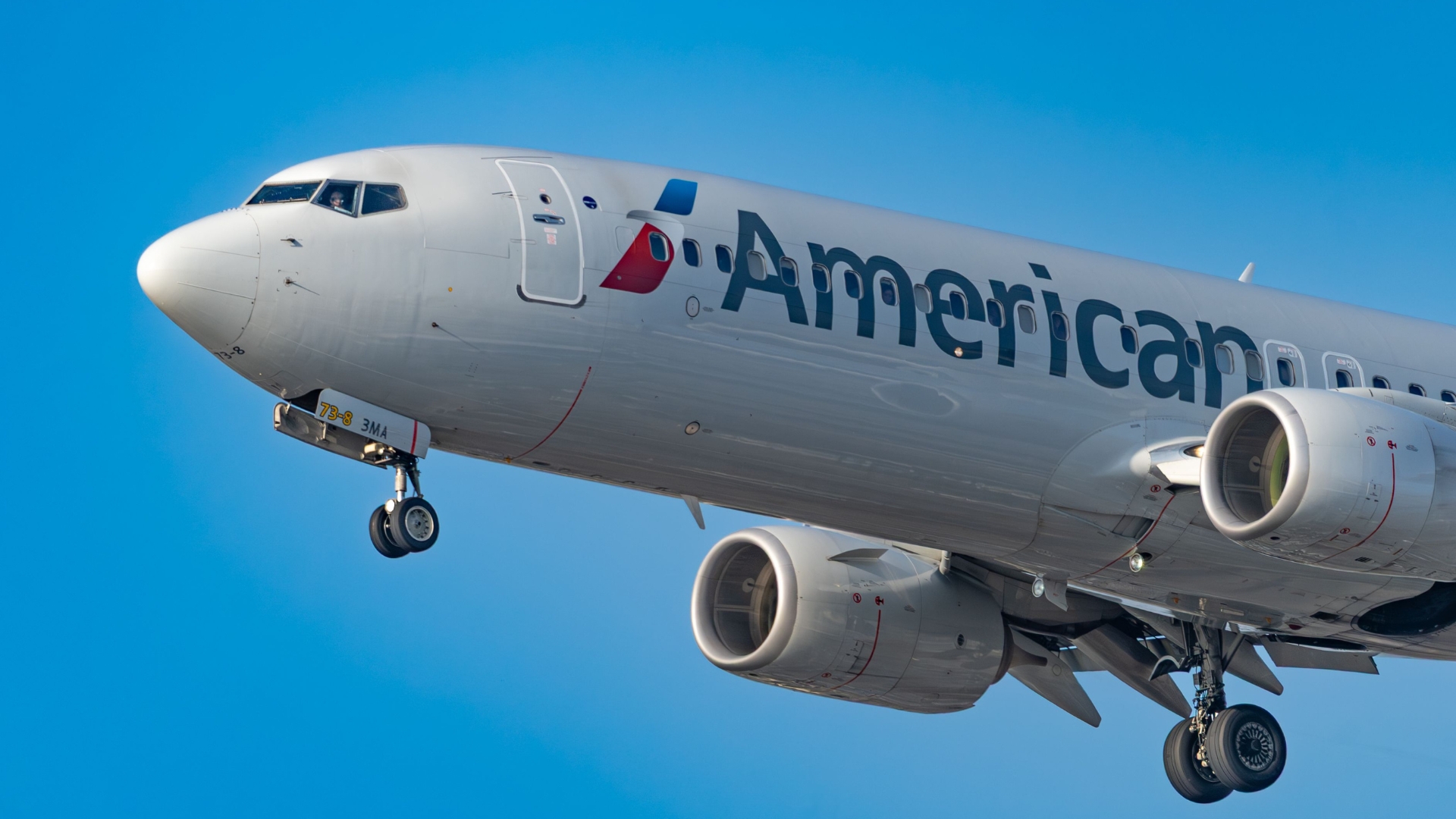
American Airlines announced Tuesday a sweeping transformation across its narrowbody fleet, installing seatback entertainment screens at every seat, the same feature it stripped out back in 2017 to save weight and cut fuel costs. Executives had bet passengers would rather use their own phones and tablets. Nearly ten years later, with Delta and United pulling ahead on cabin tech, American is reversing course in what it calls one of its biggest onboard investments ever.
The New Screens Will Be Among the Biggest in North America
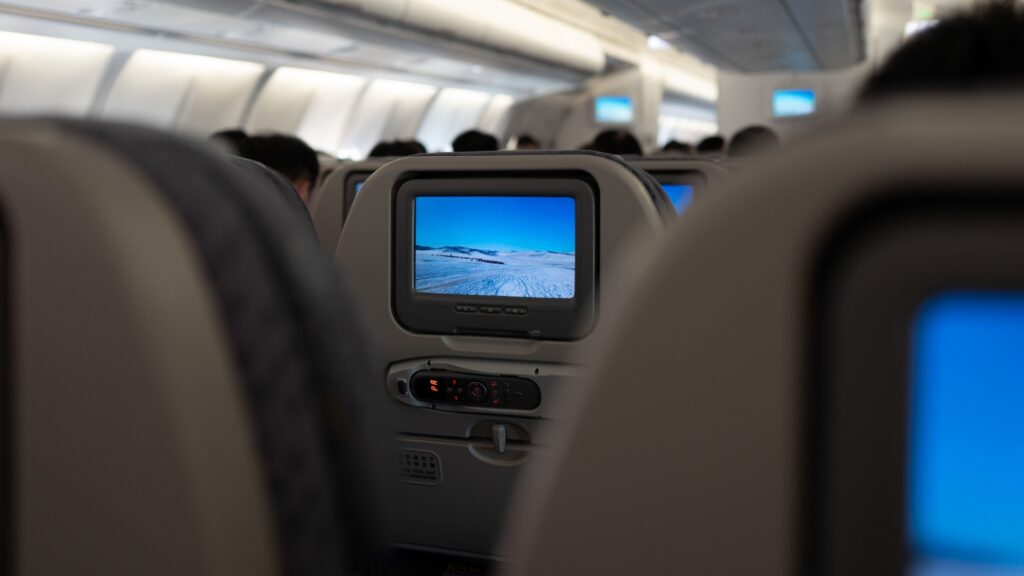
The new screens will appear on delivered aircraft starting in 2028, plus on all retrofitted aircraft, with the goal of eventually reaching every Airbus A321 and Boeing 737 in the fleet. American says the 4K displays will rank among the largest offered on any narrowbody aircraft, with full installation across the fleet expected by early next decade.
USB-C Ports and Bluetooth Audio Are Coming Too

The hardware around the screens is getting an upgrade as well. The new displays will feature 4K technology, large-format premium screens, USB-C fast charging, and Bluetooth audio connectivity for personal wireless headphones, replacing the aging wired sets and USB-A plugs found across most of today’s cabins. Garboden called it one of the airline’s most significant investments in the onboard experience to date.
Delta and United Screens Already Outsize What American Offers
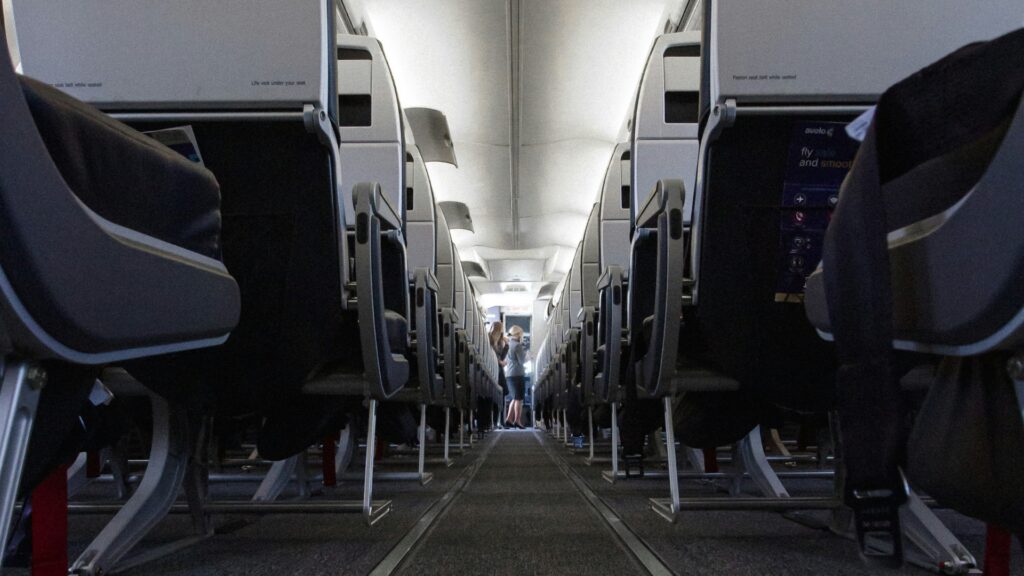
American fell behind after it began removing screens in 2017. Delta and United went the opposite direction, and their current displays top out at 11 and 10 inches, respectively, giving American a real chance to leapfrog both rivals once its larger, sharper sets go in. The gap has been years in the making, and closing it fast isn’t really an option.
Garboden: Customer Satisfaction Improvements Also Drive Revenue
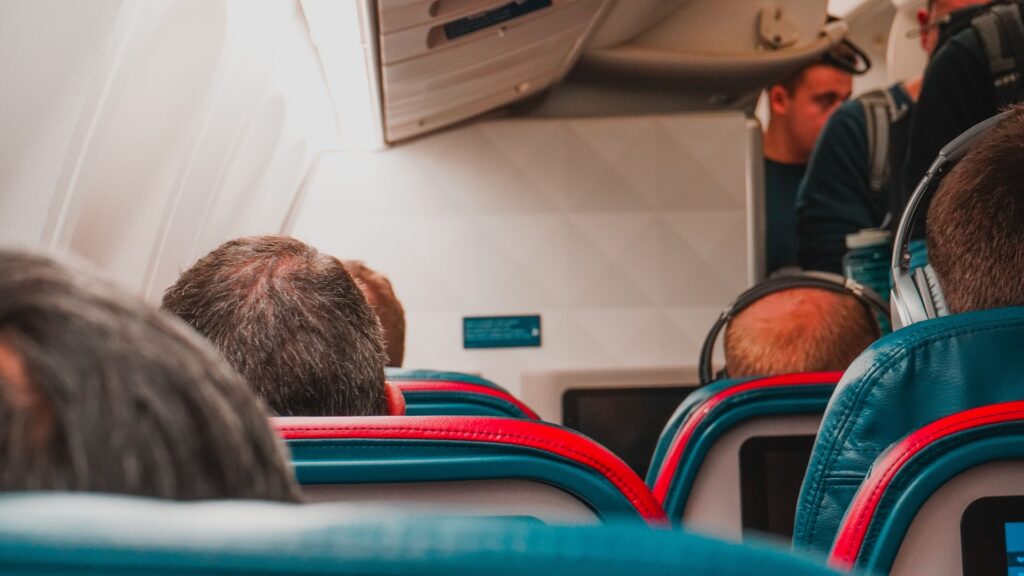
“The technology has advanced so much from when we made this decision more than a decade ago,” Garboden said, explaining the shift in thinking. “Ultimately, when you have customer preference and customer satisfaction improvements, that also generates revenue.” It’s a notable reversal from the cost-cutting logic that led American to rip the screens out in the first place.
First Class Is Getting Bigger on Three Separate Jet Types
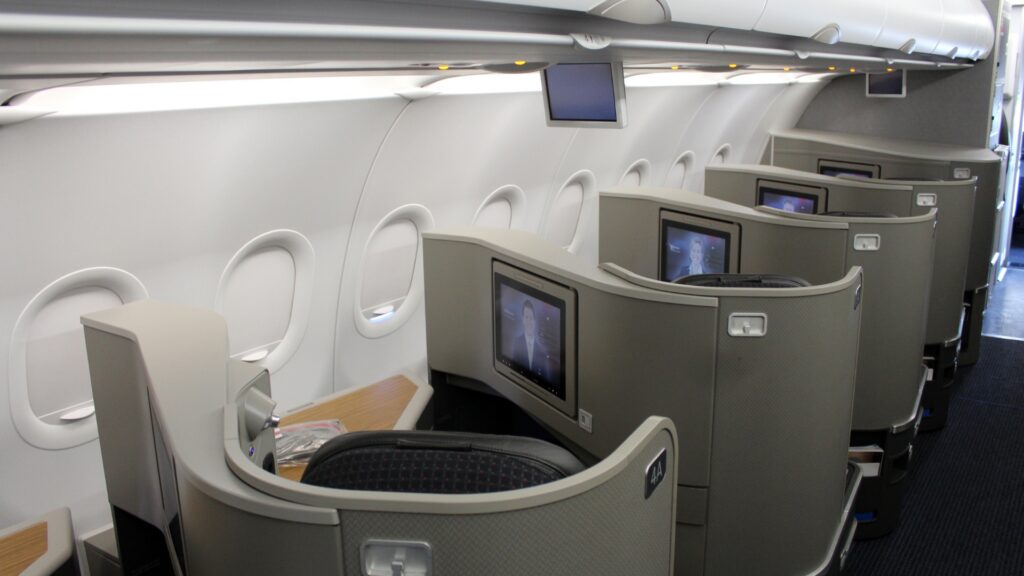
The overhaul reaches beyond entertainment. American is retrofitting its Airbus A319 and A320 fleets to add an additional row of First Class, while upcoming Boeing 737 MAX 10 deliveries will carry 24 First Class seats, and the A321neo fleet will also be reconfigured for additional First-Class seating. Extra-legroom Main Cabin Extra seating is expanding across most narrowbody types too.
A First-Class Ticket Can Cost More Than Double Coach
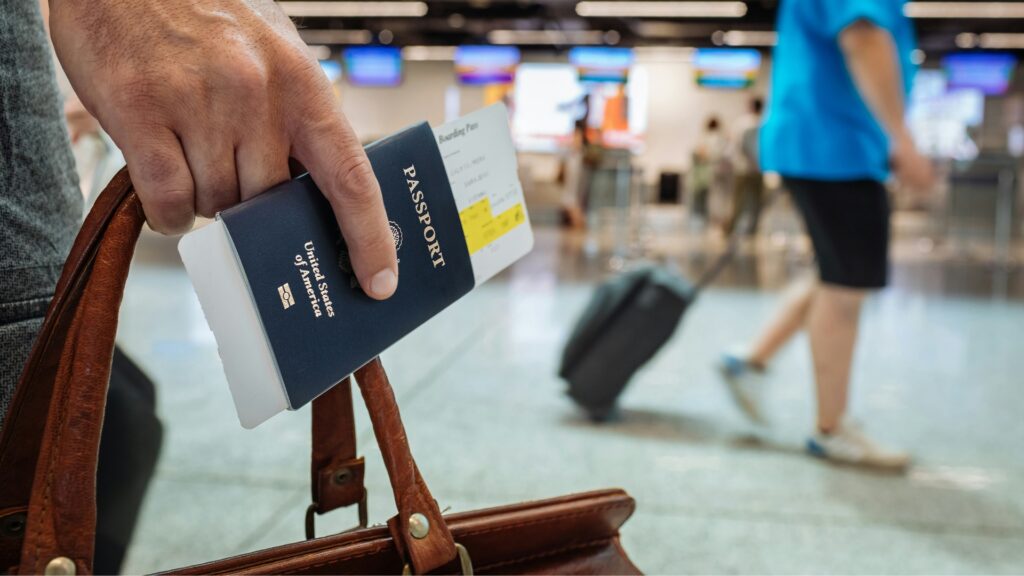
That premium push carries a price tag for flyers. A round-trip ticket between New York’s JFK and Dallas Fort Worth recently listed at $447 in coach versus $1,161 in First Class, more than double. American is separately refreshing its Boeing 787-8 Dreamliners with new business-class suites, and beginning in early 2027, will equip over 500 narrowbody aircraft with Starlink high-speed internet.
American’s $71 Million Profit Trails Both Rivals by Billions
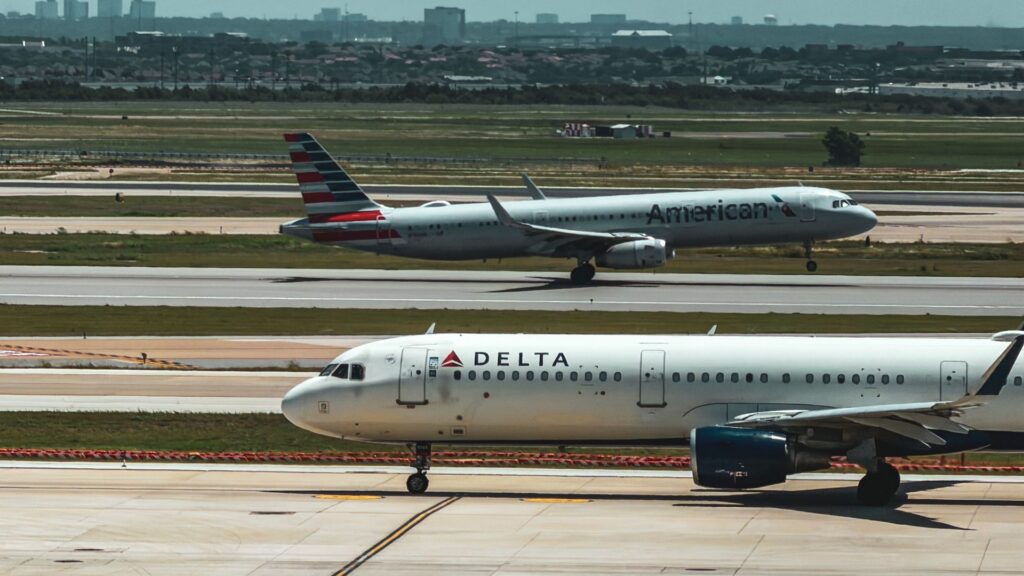
The financial pressure behind the makeover is stark. American posted just $71 million in second-quarter profit, compared with United’s $805 million and Delta’s $1.6 billion over the same period. CEO Robert Isom told CNBC in June that closing that gap means adding more premium seats, upgrading lounges, and strengthening the route network, with the cabin overhaul standing as the clearest piece of that plan yet.
American Eagle Regional Jets Won’t Get the New Screens
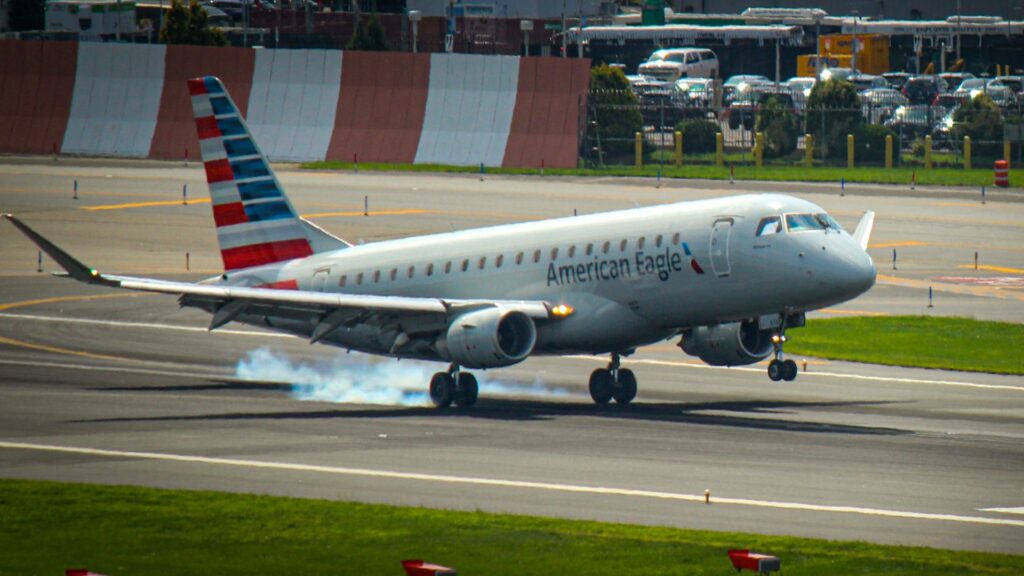
Regional aircraft operating under the American Eagle brand will not receive screens, leaving many short domestic routes untouched by the upgrade. Meanwhile, American’s 140 twin-aisle widebody planes already have seatback screens in all classes, as do its new long-range Airbus A321XLRs. The rollout is aimed squarely at the narrowbody fleet where the gap with rivals is widest.
The Payoff Is Years Away, But the Bet Is Already Made
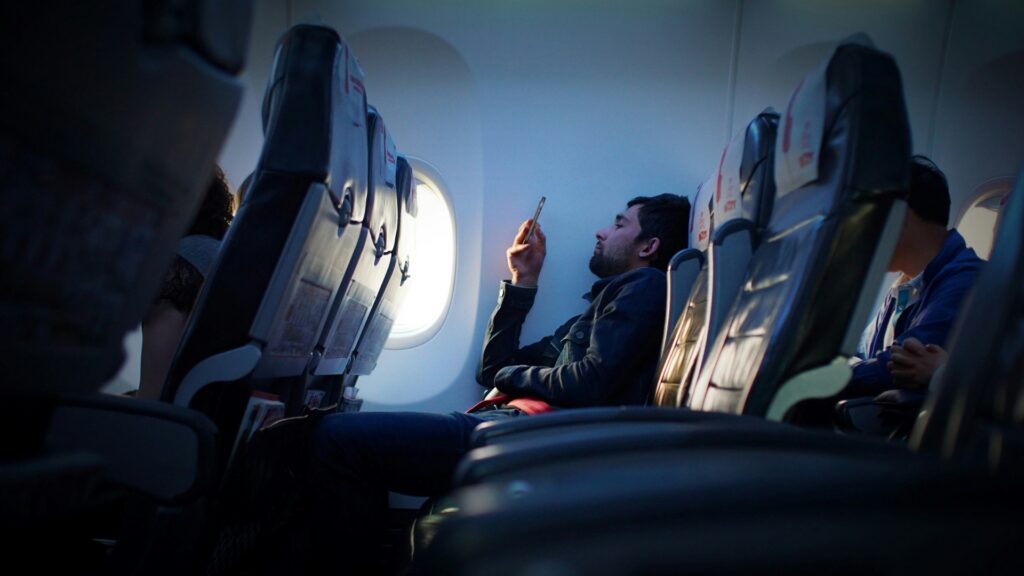
For now, American’s seatback screens exist mostly as a promise. The first sets won’t appear until 2028, and a fully outfitted fleet is years beyond that. Paired with more premium seats, wider legroom options, and new Wi-Fi, the plan marks American’s clearest attempt yet to match the cabins Delta and United already built, betting comfort now can drive the loyalty that profit alone hasn’t delivered.
