

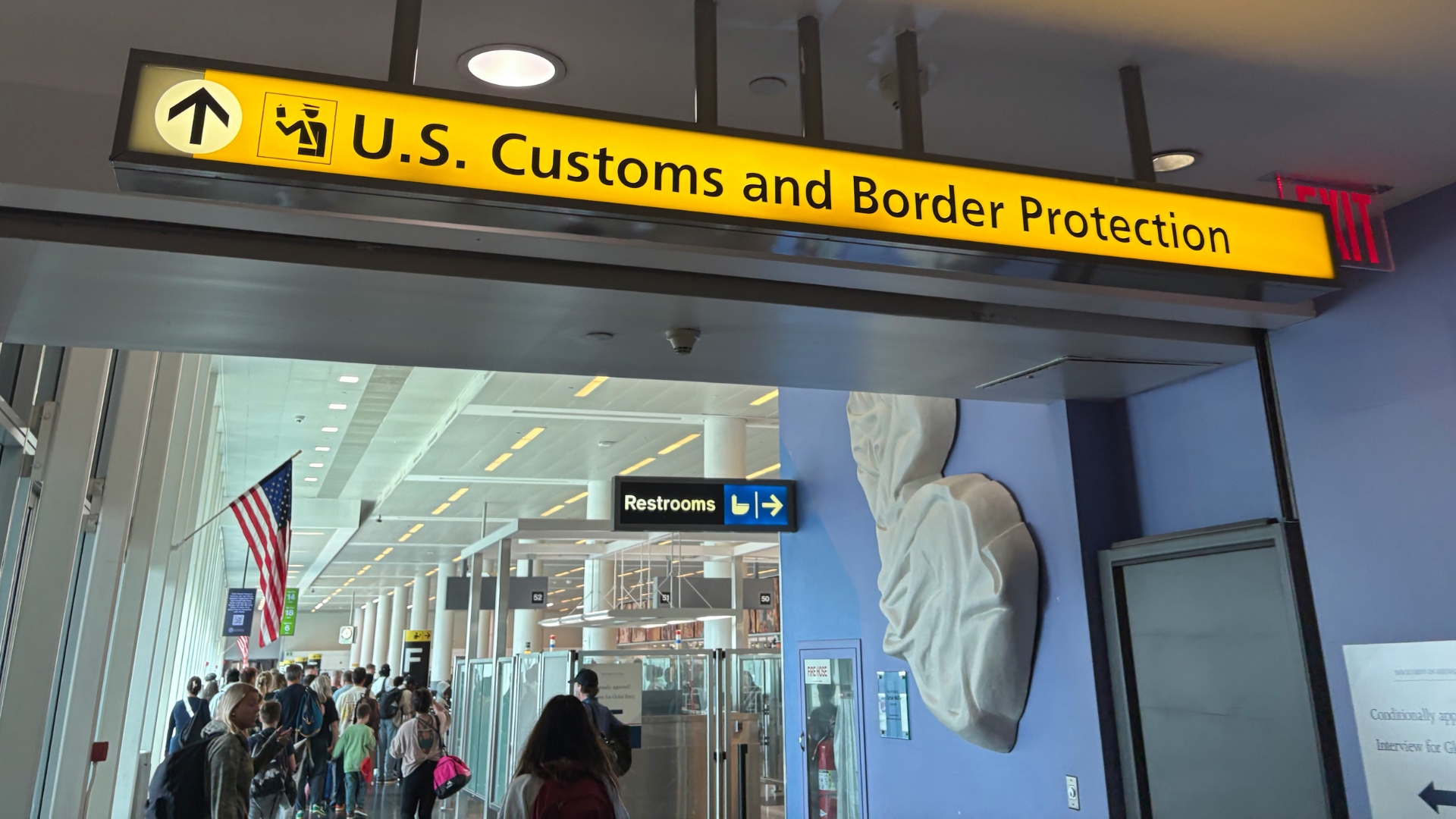
Most travelers coming home from an international trip worry about liquids over 3.4 ounces or an overweight suitcase. One family arriving at Washington Dulles International Airport from Afghanistan had a very different problem waiting for them at customs. Officers pulled them aside for a closer look, and what they found inside three oversized duffel bags weighed more than a full-grown adult and violated federal law before anyone even opened a zipper.
Officers Find 440 Pounds Packed Into Three Duffel Bags
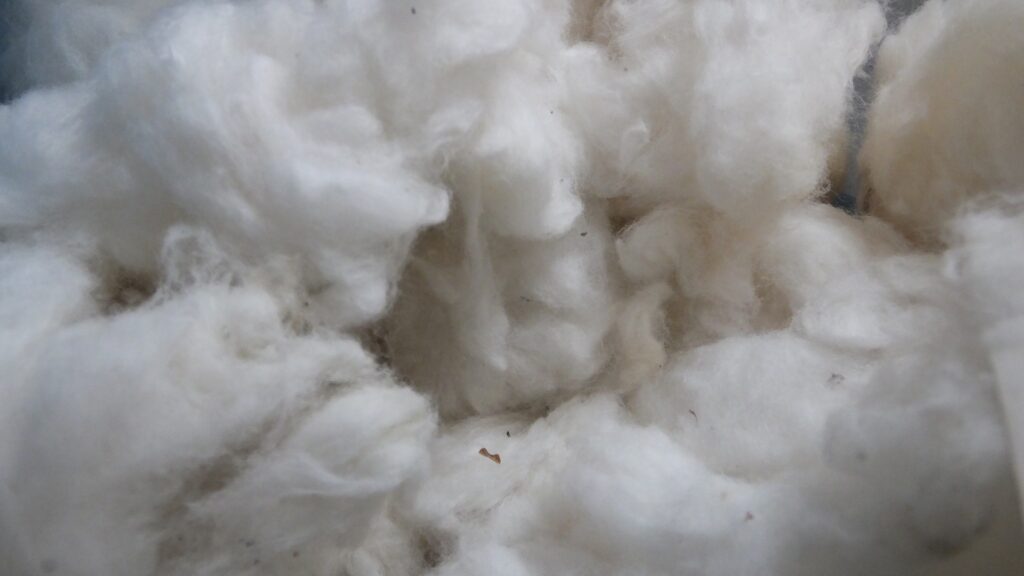
According to a CBP news release dated August 13, the family arrived at Dulles on Monday, August 10, and was flagged for a secondary inspection. Officers opened the bags and discovered them stuffed with raw, unprocessed cotton, more than 440 pounds of it in total. That’s roughly the weight of a baby grand piano, packed entirely into carry-along luggage meant for clothes and gifts.
The Family Says It Was Meant for Their New Home, Not Resale

The travelers weren’t evasive about why they had it. They told officers they’d purchased the cotton from a store in Afghanistan, intending to use it to make their own bedding once they settled in the United States. It was a practical, personal errand, the kind of thing a family might do without a second thought back home. That intention, however, didn’t change what federal agriculture law says about the material itself.
One Detail Made the Difference Between Souvenir and Seizure
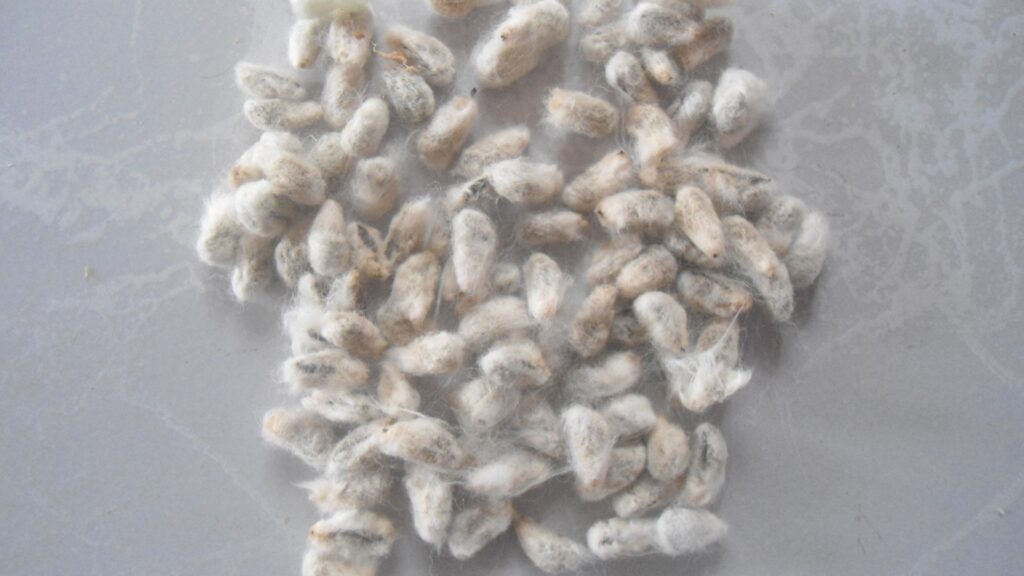
CBP agriculture specialists were called in to examine the cotton more closely, and they found the detail that sealed its fate: the fibers still contained seeds. Cotton stripped of its seeds can sometimes clear customs. Cotton that hasn’t been processed that far cannot, regardless of how it’s packaged or why someone is bringing it in. The seeds transformed an ordinary bedding project into a federal agricultural violation.
A CBP Director Explains Why “Harmless” Isn’t the Same as “Legal”
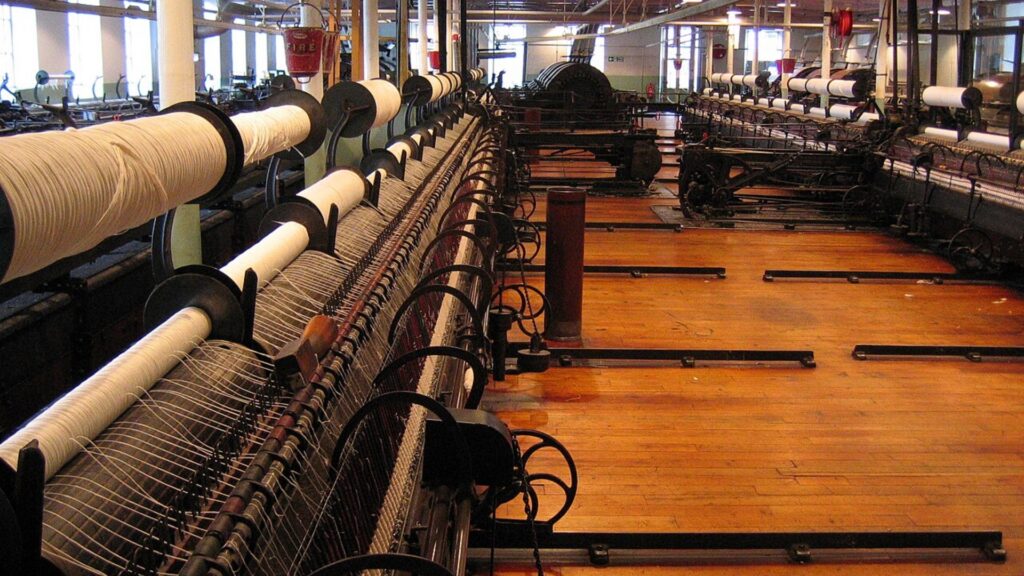
Christine Waugh, CBP’s Area Port Director for the Washington, D.C. region, addressed exactly this kind of confusion in the agency’s statement. “It’s important for travelers to know that something that they consider traditional and innocuous may be inadmissible because it could pose a serious threat to our nation’s agriculture and textile industries,” she said, adding that agriculture specialists exist partly to educate travelers before situations like this one happen.
The Pests Hiding Inside Raw Cotton Nearly Devastated U.S. Farms Once Before
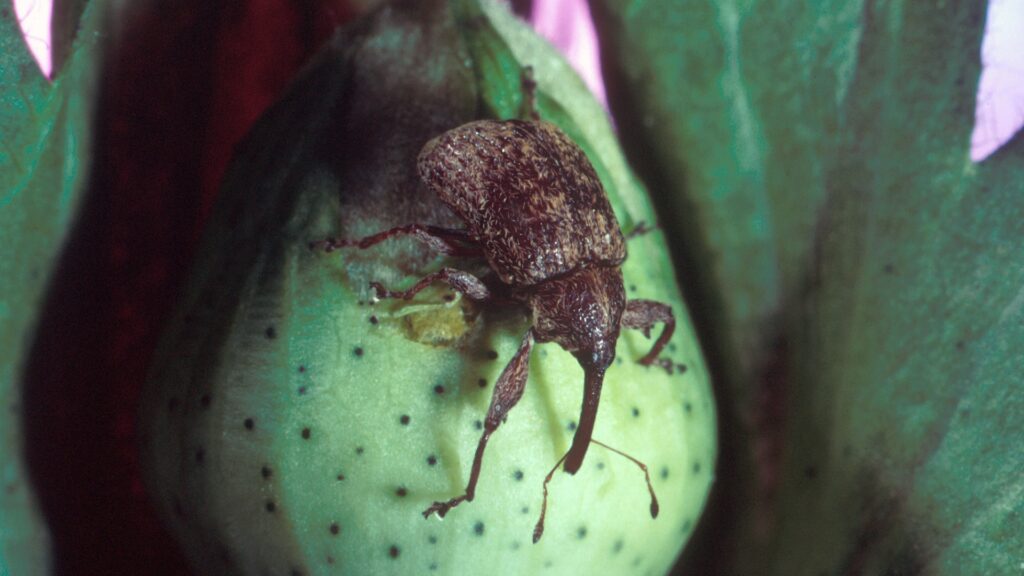
Unprocessed cotton can carry cotton seed bugs, boll weevils, and pink bollworms, all capable of serious crop damage. The boll weevil arrived in the U.S. in the late 1800s and the pink bollworm followed decades later. Both pests spent generations tearing through American cotton crops before federal eradication campaigns caught up. The pink bollworm was wiped out of commercial production entirely in 2018, and the boll weevil is now eradicated by 99 percent nationwide.
Every Plant, Seed, and Piece of Fruit Has to Be Declared, No Exceptions
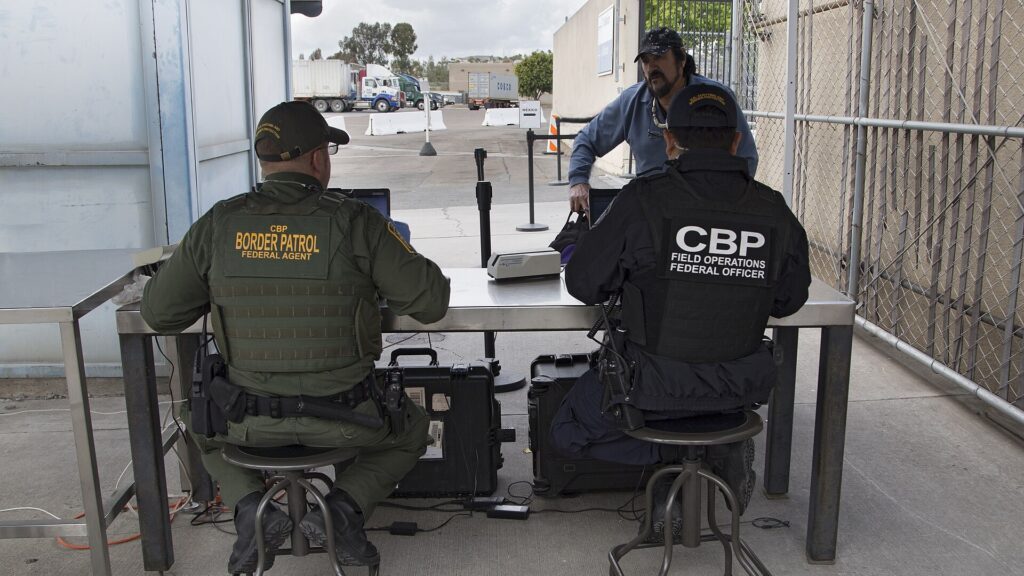
CBP requires travelers to declare all agricultural and wildlife items at entry, a list that covers meats, animal products, live animals, fruits, vegetables, plants, seeds, and soil. Declaring something doesn’t guarantee it makes it through. An agriculture specialist still inspects the item and decides based on where it came from, how it was processed, and whether the traveler holds the right permits.
Cotton Isn’t the Only Unusual Thing Dulles Officers Have Confiscated Lately

The seizure fits a broader pattern at the airport. CBP has separately reported seizing nearly 46,000 pounds of khat during a recent fiscal year, and officers at a Florida airport pulled more than $53,000 in undeclared cash from a single passenger. Anyone carrying over $10,000 across the border, in any form, is legally required to report it, whether it’s cash, cotton, or something else entirely.
What Happens If You Don’t Declare It Yourself

Here’s the part that surprises most travelers: honesty carries real protection. Per USDA guidance, declaring an agricultural product means no penalty follows, even if an inspector ultimately confiscates it. Skip that step and get caught instead, and first-time offenders can face civil fines of up to $1,000, on top of losing the item anyway. The declaration itself, not the item, is what determines whether someone walks away with a fine.
The Family Kept Their Trip, Just Not Their Cotton
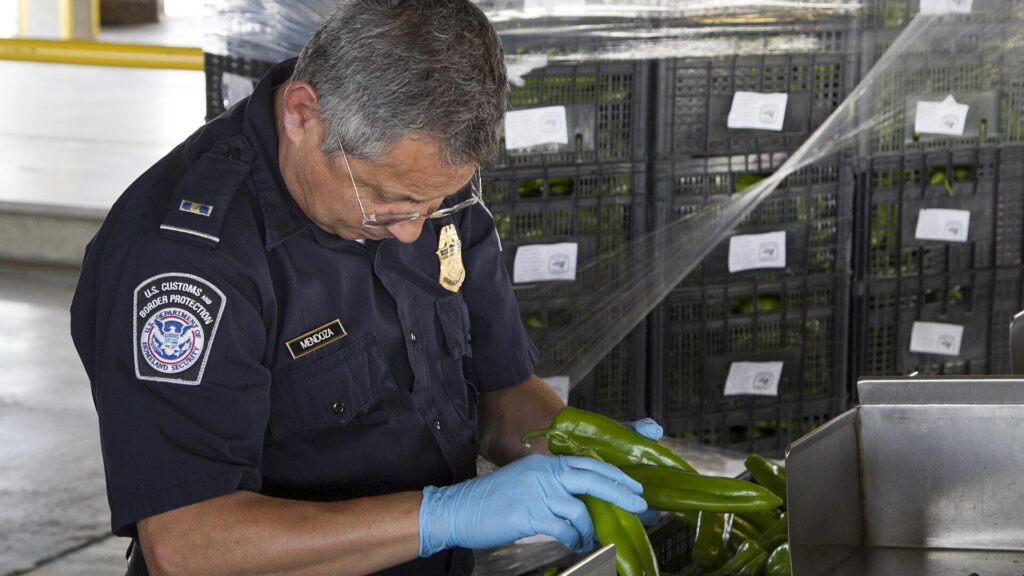
In the end, the family from Afghanistan lost their 440 pounds of cotton but faced no arrest, no charges, and no fine. CBP let them continue on their way once the material was confiscated. Their case stands as a clear reminder for anyone packing a suitcase after an international trip: familiarity with an item back home means nothing to U.S. agriculture law, and the safest move is always to declare it and let an inspector decide.
