

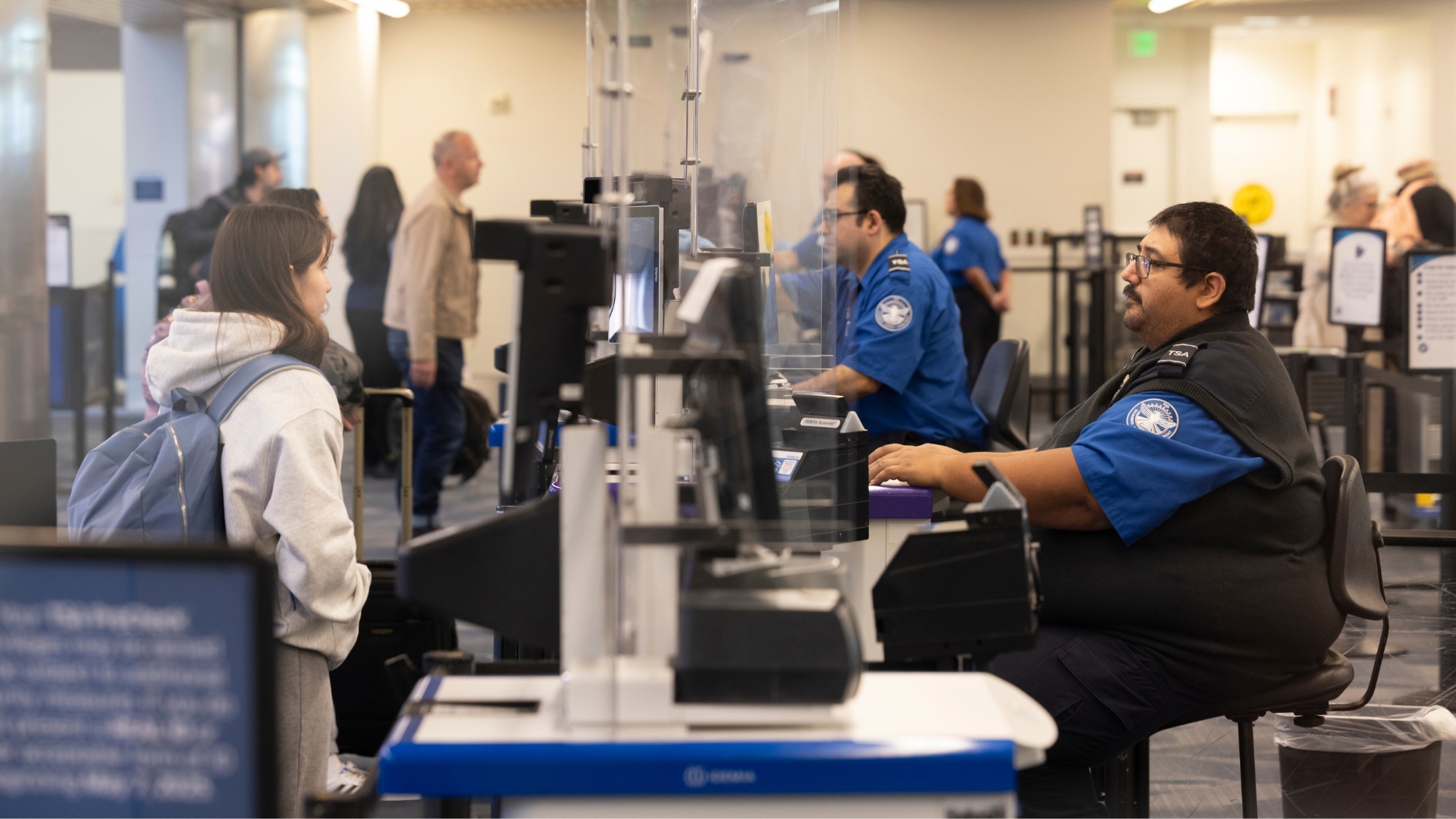
One smartphone model carries its own dedicated warning page on the Transportation Security Administration’s website, and it has nothing to do with screen size or camera quality. Pack it in a carry-on, checked bag, or even a pocket, and a traveler risks walking straight into a civil penalty that can climb past $17,000. The rule has quietly stood for nearly a decade, and the TSA still enforces it at checkpoints across the country.
Civil fines for prohibited items at TSA checkpoints typically range from $160 to $17,062, scaled to the severity of what a passenger tries to sneak through. Most banned items land nowhere near that ceiling. This particular device sits at the extreme end of the scale, treated less like a forgotten pocketknife and more like a genuine safety threat once it clears security and boards an aircraft.
The device is the Samsung Galaxy Note 7. Regulators banned it from every flight into, out of, and within the United States starting in October 2016, and that order has never been lifted. A traveler holding onto an old Note 7 in 2026 is still breaking federal law the moment it crosses a security checkpoint, whether they realize it or not.
Why a Single Battery Flaw Triggered a Federal Flight Ban
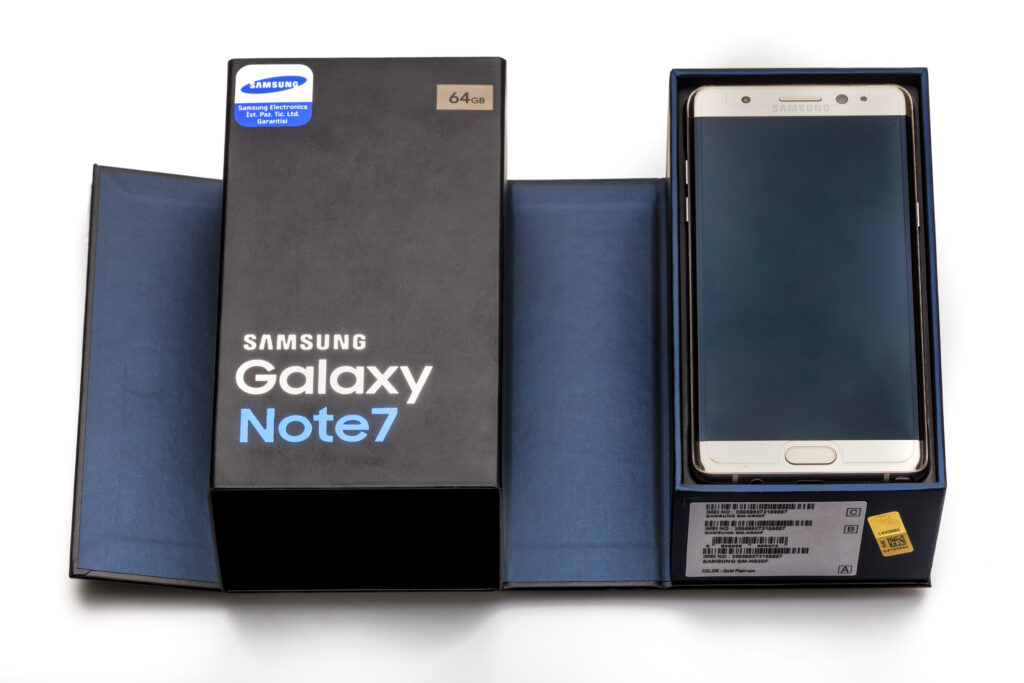
The ban traces back to a manufacturing defect inside the Note 7’s lithium-ion battery. Two separate flaws could cause the cells to short-circuit, and once that happens, the battery can overheat, smoke, or ignite. On the ground, that’s dangerous. At cruising altitude inside a pressurized cabin, regulators judged the same failure to be far more severe, with far fewer options for containing it.
The TSA’s official notice leaves no room for interpretation, stating that individuals “may not transport the device on their person, in carry-on baggage, or in checked baggage” on any flight tied to the United States. The order came jointly from the Department of Transportation, the FAA, and federal hazardous materials regulators, an unusually coordinated response for a single consumer product.
Airlines didn’t wait for stragglers to test the rule. Several carriers, along with some bus operators, layered their own bans on top of the federal order almost immediately. Nearly ten years later, the device remains grouped with far more conventional threats on airport prohibited-items lists, a permanent reminder that a battery defect can outlast the phone it was built for by an entire decade.
The Note 7 Ban Was Only the Opening Move

Regulators didn’t stop at one phone model. Any device powered by a lithium-ion battery now faces tightening scrutiny in checked baggage, including power banks, charging cases, laptop batteries, and both rechargeable and disposable spare cells. Even hairstyling tools and electric toothbrushes made the list in recent years, swept in for containing the exact battery chemistry that doomed the Note 7.
The danger behind every addition is thermal runaway, a chain reaction where an overheating cell can’t cool down and instead feeds its own fire. In a cargo hold, that reaction can go unnoticed until it’s already spreading. Regulators require these batteries in carry-on bags specifically so crew members sitting feet away can spot smoke and react within seconds, not minutes.
That caution is backed by climbing numbers. The FAA’s incident tracker has logged a steady rise in verified battery-related fires, smoke events, and extreme heat cases aboard aircraft over the past two decades, with portable chargers responsible for roughly four in ten incidents. Annual totals have repeatedly broken records year after year, a trend regulators say shows no sign of leveling off.
Airlines Are Now Going Further Than the Federal Rules

Southwest became the first U.S. carrier to move beyond TSA baseline rules, requiring in May 2025 that any portable charger in use stay visible outside a bag or overhead bin. A Southwest spokesperson told NPR the policy was designed purely around response time, giving crew members a chance to catch a failing battery before it escalates into something the cabin can’t contain.
By April 2026, Southwest tightened its stance again. Passengers were capped at one power bank each, barred from stashing it overhead, and blocked from charging it through in-seat outlets mid-flight. Other carriers have gone even further, banning certain smart luggage models outright for carrying the same lithium cells now under global suspicion.
None of this is designed to make packing harder for its own sake. A phone, a charger, or a piece of luggage sitting quietly in an overhead bin looks harmless right up until a defective cell decides otherwise, thousands of feet above the nearest runway. Checking a device against the current banned list takes less time than boarding does, and it’s the only step in this entire chain that a traveler actually controls.
